The New Urban Agenda
The New Urban Agenda was adopted at the United Nations Conference on Housing and Sustainable Urban Development (Habitat III) in Quito, Ecuador, on 20 October 2016. It was endorsed by the United Nations General Assembly at its sixty-eighth plenary meeting of the seventy-first session on 23 December 2016. The New Urban Agenda represents a shared vision for a better and more sustainable future. If well-planned and well-managed, urbanization can be a powerful tool for sustainable development for both developing and developed countries. Read more
New Urban Agenda midterm review
The General Assembly requested the Secretary-General to report on progress in implementation every four years. Quadrennial reports were submitted in 2018 and 2022. The 2026 quadrennial report serves as the midterm review of New Urban Agenda implementation, assessing progress and challenges since its adoption and identifying priorities for the next decade across its three transformative commitments: sustainable urban development for social inclusion and ending poverty; sustainable and inclusive urban prosperity and opportunities for all; and environmentally sustainable and resilient urban development.
The review is informed by 69 national progress reports expected in 2026 and a broad consultative process, including a global learning series that engaged more than 1,300 participants from over 115 countries, inputs from 22 United Nations entities, and wide-ranging stakeholder contributions, including 120 survey responses and 144 write-shop participants.
High-level meeting of the General Assembly on the midterm review of the New Urban Agenda
The UN General Assembly through A/RES/79/214 decided “… to hold a high-level meeting of the General Assembly on the midterm review of the New Urban Agenda, to be held in New York for a duration of two days at the highest possible level following, or preceding, the 2026 high-level political forum on sustainable development, to assess progress on integrating the New Urban Agenda into policies, programmes and investments at all levels, identify good practices, gaps and challenges and accelerate the path to achieving the goal of the New Urban Agenda by 2036, taking into account the quadrennial report of the Secretary-General on progress in the implementation of the New Urban Agenda to be presented in 2026.” Read more
Report of the Secretary-General: العربية | 中文 | English | Français | Русский | Español
- Summary of the High-Level Meeting on the Midterm Review of the New Urban Agenda
- Concept Note: High-Level Meeting Midterm Review of New Urban Agenda
- Chair’s summary of the ministerial meeting on the New Urban Agenda held at the thirteenth session of the World Urban Forum
- Information note for participants
Office of the President of the General Assembly
The Office of the President of the General Assembly leads the preparations for the High-level Meeting of the UN General Assembly on the New Urban Agenda under the leadership of Her Excellency Annalena Baerbock of Germany as the President of the 80th Session of the United Nations General Assembly.
- Letter from the President of the General Assembly on the High-level meeting on the midterm review of the New Urban Agenda
- Letter from the President of the General Assembly on the Concept Note for the High-level Meeting on the Midterm Review of the New Urban Agenda
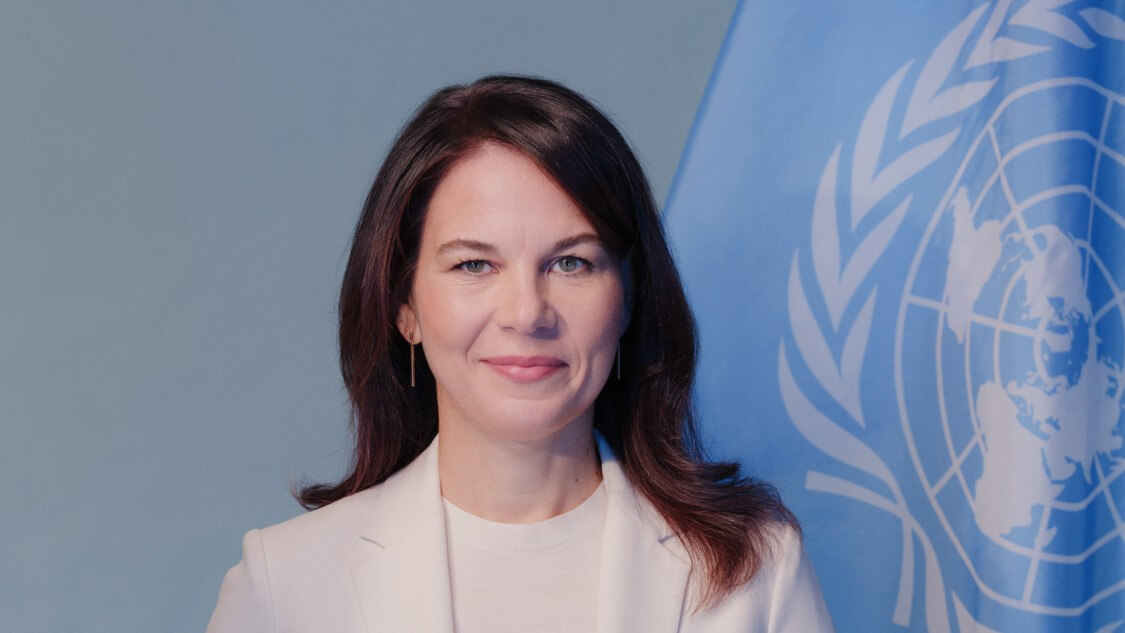
H.E. Ms. Annalena Baerbock of Germany
Co-facilitators
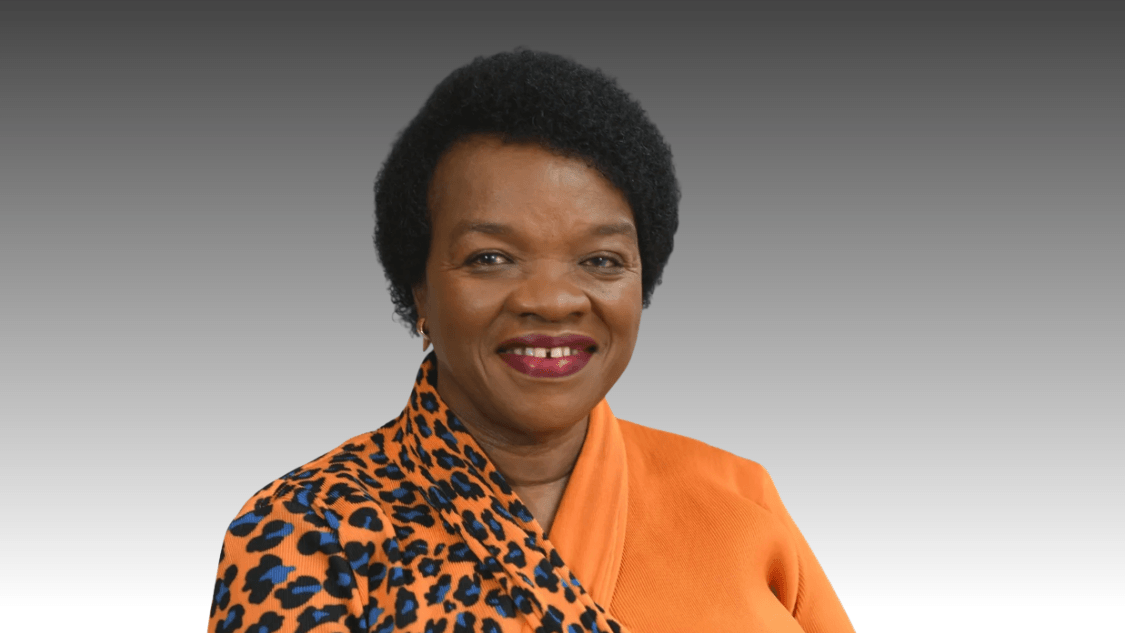
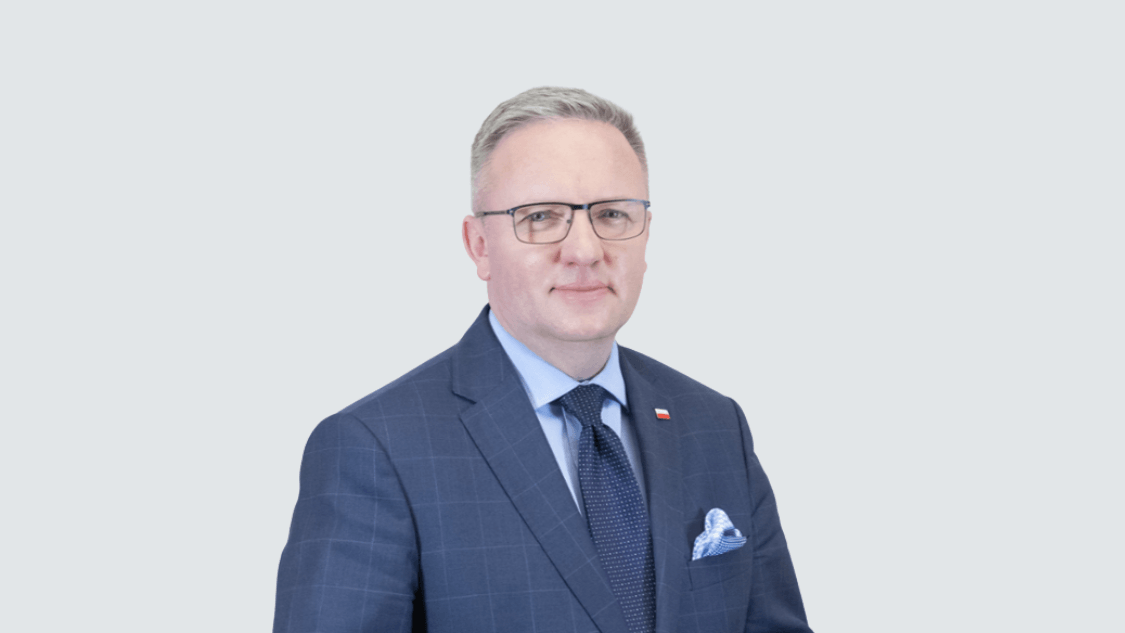
To guide preparations for the High-level Meeting, the President of the General Assembly has appointed two co-facilitators – Poland and Malawi – to lead the intergovernmental negotiations on a concise and action-oriented political declaration to renew commitment and accelerate the implementation of the New Urban Agenda, in line with General Assembly resolution 79/214 of 19 December 2024. Read more
The co-facilitators are tasked with steering open, transparent, and inclusive consultations with Member States and Observers in person and virtually with other stakeholders.
Political Declaration
Central to the High-level Meeting scheduled 16-17 July 2026, is the preparation of a Political Declaration, which will reaffirm international commitment to sustainable urbanization and outline priority actions for the years ahead.
The co-facilitators will guide Member States and other stakeholders through a series of structured consultations to negotiate the draft Declaration, informed by contributions from broad stakeholder groups. Through this inclusive process, the Declaration aims to capture emerging urban challenges, highlight innovative solutions, and strengthen multilateral cooperation in support of the New Urban Agenda.
Elements Paper: Letter from Co-Facilitators
Political declaration zero draft
Political declaration zero draft - Letter from Co-Facilitators
Roadmap to Political Declaration
- 26 March 2026: Initial consultations on the basis of the Food for Thought paper
- 27 March 2026: Initial Multistakeholder hearing [virtual]
- 10 April 2026: Deadline for written inputs to the Elements Paper
- 17 April 2026: Circulation of the Elements Paper
- 6 May 2026: Consultations with Member States on the basis of the Elements Paper
- 7 May 2026: Multistakeholder hearing on the Elements Paper [virtual]
- 15 May 2026: Release of the zero draft of the Political Declaration
- 29 May 2026: Deadline for written comments to the zero draft
- June 2026: Intergovernmental negotiations
- Early July: Finalization of the Political Declaration
- 16-17 July 2026: High-Level Meeting on the midterm review of the New Urban Agenda
Stakeholder engagement
A key component of the Political Declaration emerging from the High-level Meeting of the General Assembly is the stakeholder consultation process. Building on UN-Habitat’s existing stakeholder engagement mechanisms, two distinct stakeholder consultations were held in March and May 2026 in the lead-up to the World Urban Forum.
Stakeholders in consultative status with the United Nations Economic and Social Council (ECOSOC) may participate in the High-level Meeting as observers. A list of organizations in consultative status with ECOSOC is available here.
For stakeholders that are not in consultative status with ECOSOC, a process for a Special Event Ticket is available. Requests should be submitted through this form by 18 June 2026.
All partners, stakeholders, and members of the public may follow the proceedings of the High-level Meeting live on UN Web TV. The High-level Meeting will be livestreamed on UN Web TV and is open to all those interested in following its proceedings. Further details will be provided as they become available.
Stakeholder engagement sessions
The stakeholder consultation on the Food for Thought Paper took place on 27 March 2026. The stakeholder consultation on the Elements Paper will take place on 7 May 2026 virtually.
Further resources
Cover photo: © UN Photo/Loey Felipe