Baku, 17 May 2026 — The thirteenth session of the World Urban Forum (WUF13) opened today in Baku with stakeholder assemblies calling for more inclusive, resilient and people-centred approaches to urban development amid growing global housing and climate challenges.
Bringing together governments, civil society organizations, local leaders, businesses, women’s groups and youth advocates, the assemblies focused on issues ranging from housing rights and gender equality to climate resilience, local governance and private-sector innovation. The discussions will help shape the Baku Call to Action – the outcome document of WUF13 – and support implementation of the New Urban Agenda.
Opening the assemblies, Anacláudia Rossbach, Executive Director of UN-Habitat, invited participants to ensure that the Baku Call to Action reflects the voices and priorities emerging from WUF13.
World Assembly of Local and Regional Governments
The World Assembly of Local and Regional Governments convened mayors, governors and regional leaders to reaffirm the role of local authorities in advancing sustainable urban development and strengthening multilateral cooperation.
Participants emphasized that local governments remain central to implementing the New Urban Agenda and advancing the Sustainable Development Goals beyond 2030, particularly as cities face mounting pressure from housing shortages, inequality and climate impacts. Discussions explored multilevel governance, innovative financing, local public services and community-led approaches to housing and resilience.
Cecilia Vaca Jones, Executive Director of the Breathe Cities initiative at the Clean Air Fund, stressed the need to recognize local governments “not only as implementers but as political leaders shaping the future of the New Urban Agenda.” She added that “clean air belongs in the heart of the urban agenda and not only in environmental conversations.”
Business Assembly
The Business Assembly examined how innovation and collaboration across the housing value chain can help deliver adequate, affordable and resilient housing at scale.
Participants pointed to regulatory barriers, infrastructure gaps, financing constraints and operational risks that continue to slow housing delivery in many parts of the world. Discussions also highlighted emerging solutions, including AI-enabled planning, modular construction and low-carbon materials.
Within these discussions, Parisa Kloss, CEO and Founder of SmartSylvan, emphasized that “the tipping point comes when green infrastructure stops being treated as visual and architectural premium and starts being treated as measurable climate infrastructure.”
Participants also called for stronger coordination between governments, financial institutions, developers and service providers to accelerate housing delivery and strengthen long-term urban resilience.
Women’s Assembly
The Women’s Assembly underscored the importance of placing gender equality, housing justice and inclusive urban development at the centre of global urban policy discussions.
Participants explored how housing systems can become more equitable and responsive to the needs of women and girls, while also examining barriers related to safety, mobility, economic opportunity and participation in shaping urban environments.
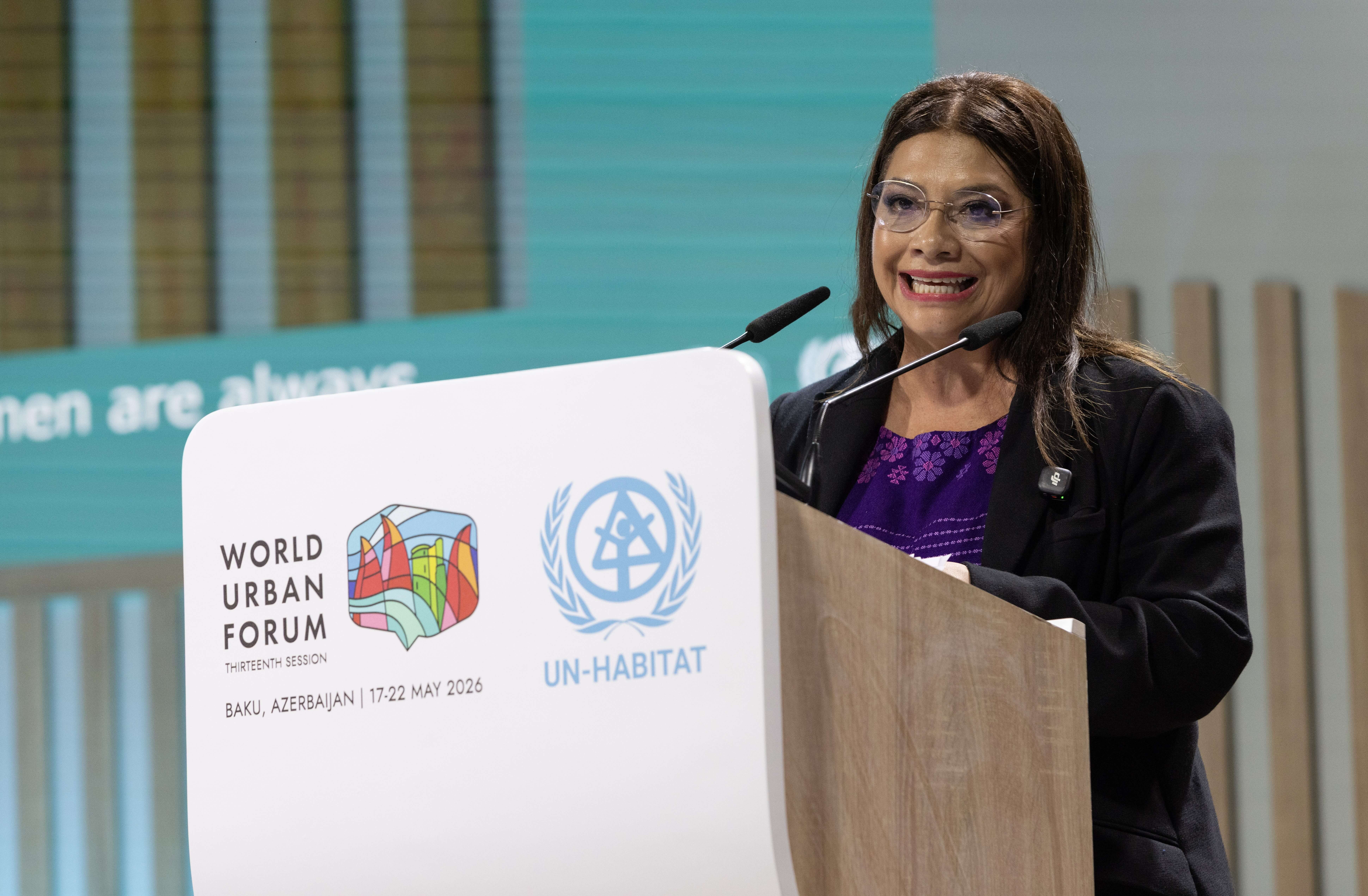
Clara Brugada, Mayor of Mexico City, speaks during the Women’s Assembly, a cornerstone of the World Urban Forum, in Baku, Azerbaijan, with discussions centred on women’s leadership, gender equality and safe, inclusive housing for all. © UN-Habitat
Kaori Ishikawa, Country Representative in Georgia and Liaison for the South Caucasus at UN Women, highlighted that despite growing representation in political institutions, women continue to face discrimination in housing security, income and access to opportunities.
Children and Youth Assembly
The Children and Youth Assembly highlighted the urgent need to involve young people directly in shaping the future of cities. Participants stressed that youth are not only future urban residents, but key actors in addressing today’s housing, climate and inequality challenges.
With nearly 70 per cent of the world’s children and youth expected to live in urban areas by 2050, discussions focused on the realities many young people already face, including inadequate housing, unsafe living conditions and limited opportunities.
Azerbaijan’s Deputy Minister of Youth and Sports, Farhad Hajiyev, stressed that “the future of cities will not be decided only in conference rooms. It will also be determined by the generations growing up in today’s urban areas.” Participants also explored youth-centred urban policies and affordable housing initiatives.
Grassroots and Civil Society Organisations Assembly
The Grassroots and Civil Society Organisations Assembly focused on strengthening collective action around the right to adequate housing and inclusive urban development.
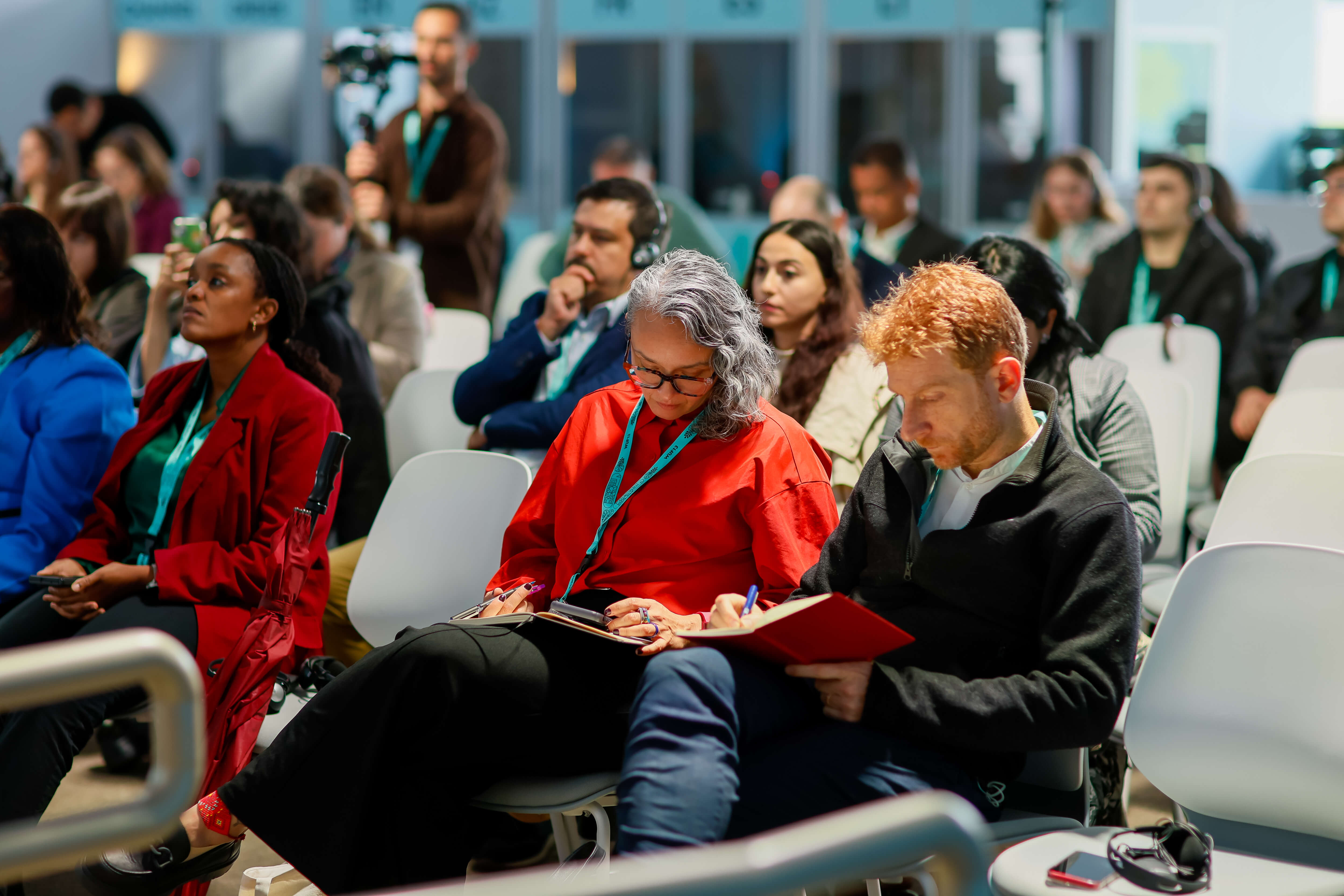
Audience members take notes during the Grassroots and Civil Society Organizations Assembly at WUF13, which focused on housing rights, climate resilience and inclusive urban development. © UN Photo/Mark
Participants stressed that grassroots initiatives should be recognized not as temporary responses to inequality, but as long-term drivers of transformation grounded in dignity, redistribution and equitable access to housing, land and public services.
Discussions also examined sustainable urban planning, affordable housing, climate resilience and the role of civil society in urban governance, while emphasizing accountability and stronger collaboration between communities, governments and technical partners.
A shared vision for inclusive urban futures
Across the assemblies, a common message emerged: addressing the global housing crisis requires coordinated action that places equity, resilience, inclusion and human dignity at the centre of urban development.
From grassroots movements and youth leadership to local governments, women’s organizations and private-sector innovation, participants highlighted the importance of collaboration and shared responsibility in shaping safe, sustainable and inclusive cities for all.
Cover photo: © UN-Habitat