In Sri Lanka’s Central and Uva provinces, improved health facilities are bringing life-saving care closer to communities that once had to travel miles to access it.
Until recently, a dilapidated building with damaged walls and a leaking roof stood in place of a maternal and child health centre at the scenic Welimada estate in Badulla district of Uva province. The actual clinic operated in another building at a distant location, forcing residents to travel long distances to access essential maternal and child health services.
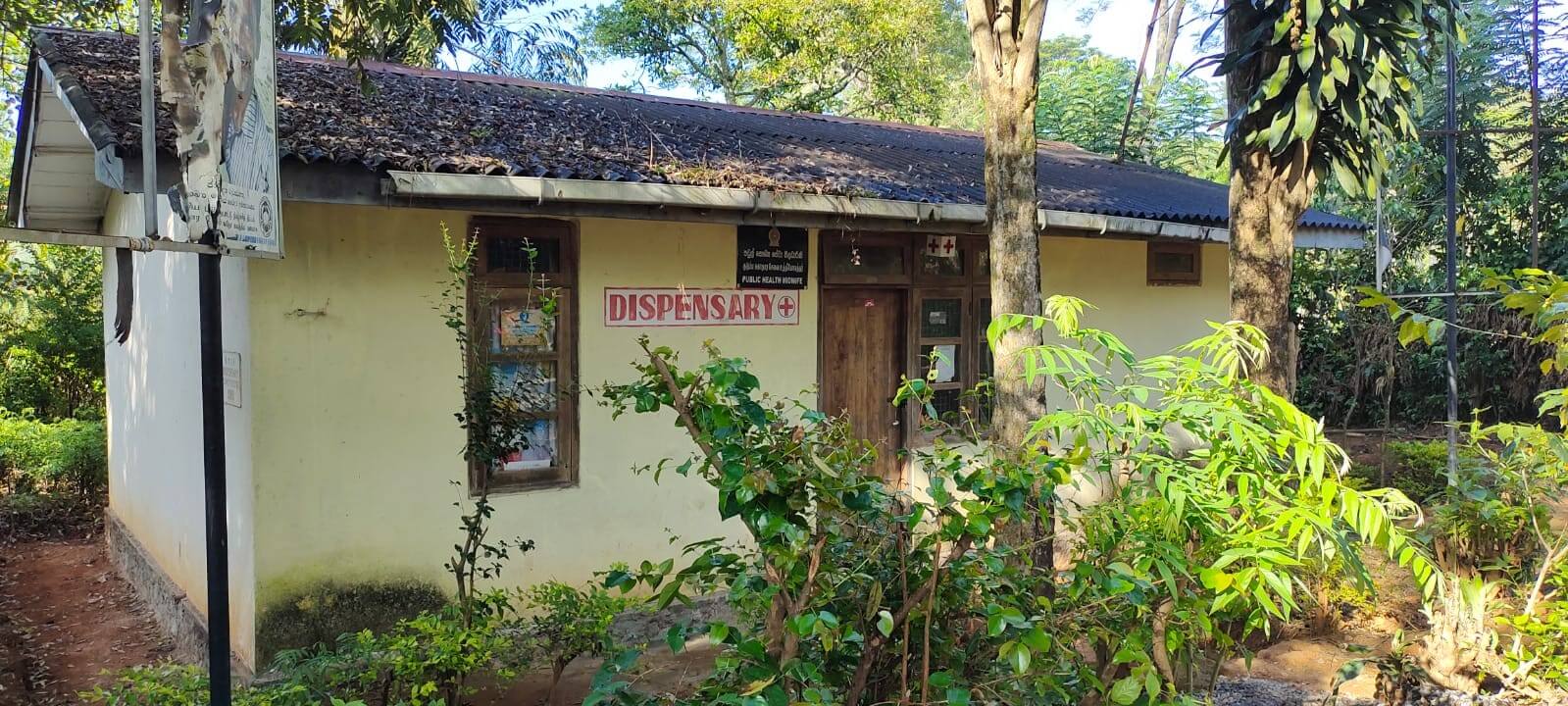
Before renovation, the Welimada health centre struggled with poor conditions, limiting access to essential care. © UN-Habitat
Across the two provinces, known for their tea estates and mountainous terrain, Field Maternal and Child Health Centres (FMCHCs) serve as a lifeline for poor and vulnerable communities, providing free, essential healthcare where it is needed most. But many of these facilities have fallen into disrepair, leaving both patients and healthcare workers struggling with inadequate infrastructure.
To address these challenges, UN-Habitat, with funding from the Korea International Cooperation Agency (KOICA), upgraded 47 FMCHCs across Nuwara Eliya and Badulla districts under the project “Strengthening Socioeconomic Resilience of Communities Affected by the COVID-19 Pandemic in the Central and Uva Provinces of Sri Lanka.”
Access to care returns in Welimada
The health centre in Welimada estate was one of the facilities selected for improvement. It provides critical maternal and child health services – including immunization, emergency care, and routine preventive care – to 1,506 residents.
Before the intervention, the centre lacked adequate space and basic facilities. The building’s poor condition limited its daily operations, with only one room available for all services and little privacy for patients. Patients and healthcare workers had to rely on an external toilet in the neighbourhood. All of which forced the clinic to operate elsewhere.
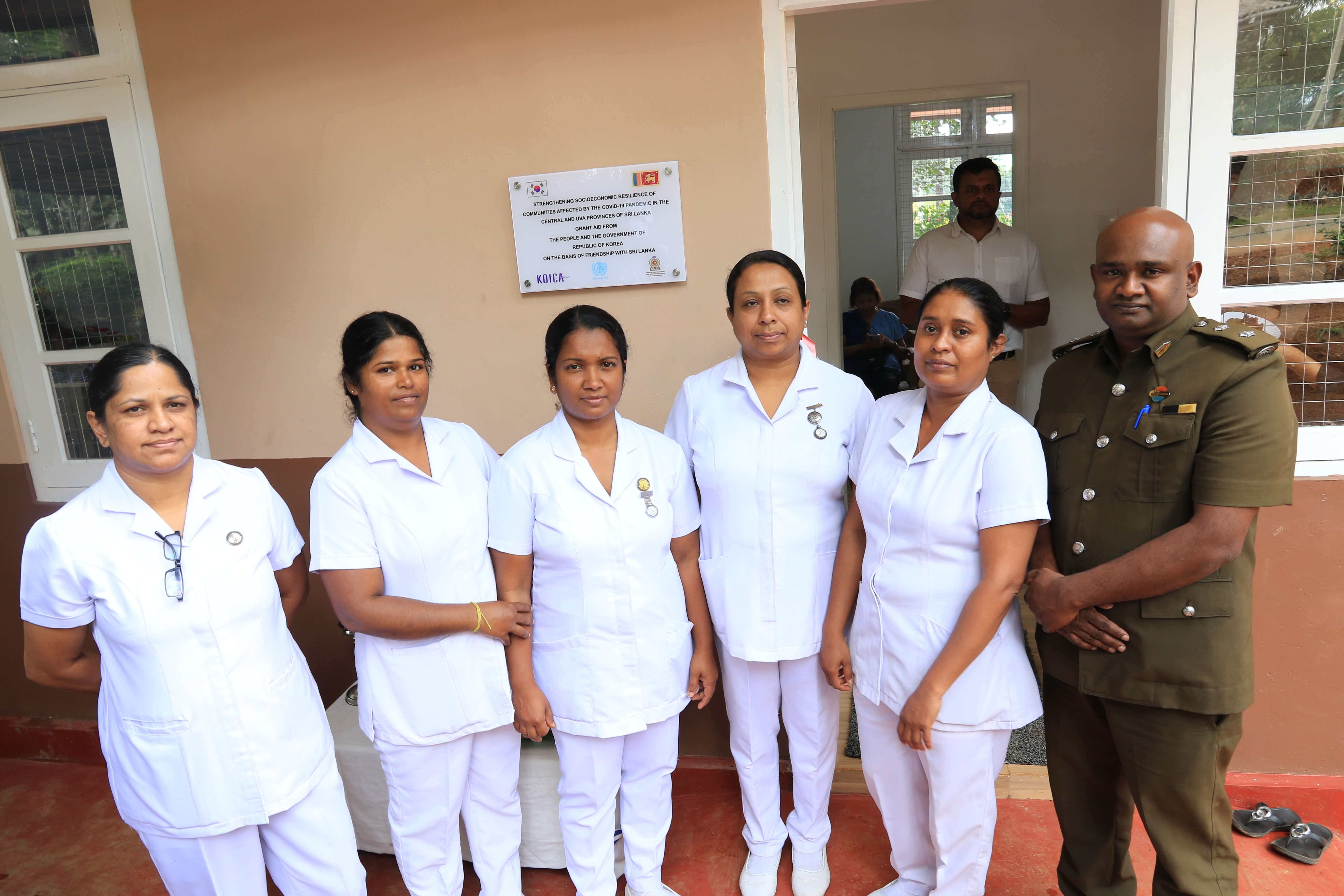
Outside the upgraded Welimada health centre, healthcare workers continue their service with renewed confidence. © UN-Habitat
“The health centre building was not in good condition, so the clinic was conducted in another building far from our homes. We had no toilet facilities either,” says V. Madhumitha, a patient and resident of Welimada.
Upgrading health infrastructure through partnerships
UN-Habitat implemented the renovation through a participatory approach, which brought together key partners, including the Office of the Medical Officer of Health for Welimada, the estate’s regional plantation company – Malwatte Valley Plantations PLC – and the community-based organization, Estate Worker Housing Cooperative Societies (EWHCS). EWHCS led the reconstruction, ensuring adherence to quality standards, specified timelines, and transparency and accountability throughout the process.
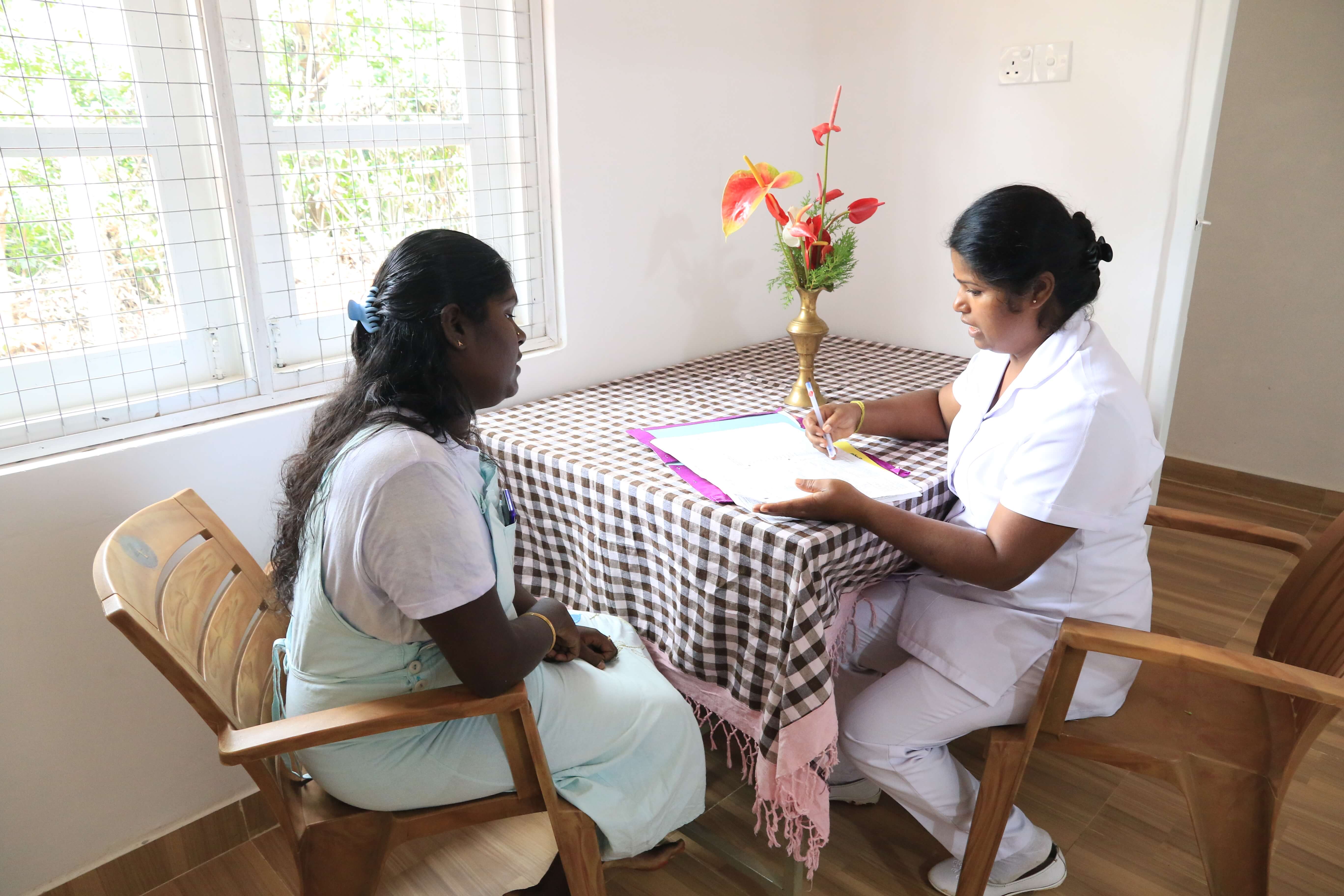
At the upgraded facility, an expectant mother consults a midwife. © UN-Habitat
Improved services and inclusive access
The upgraded facility now includes a repaired building, an improved water supply system, a handwashing station, and enhanced WASH facilities. Additionally, a disability-friendly toilet was constructed on the premises, and ramps with handrails were added at the front entrance and near the toilet to improve accessibility for pregnant women and persons with disabilities.
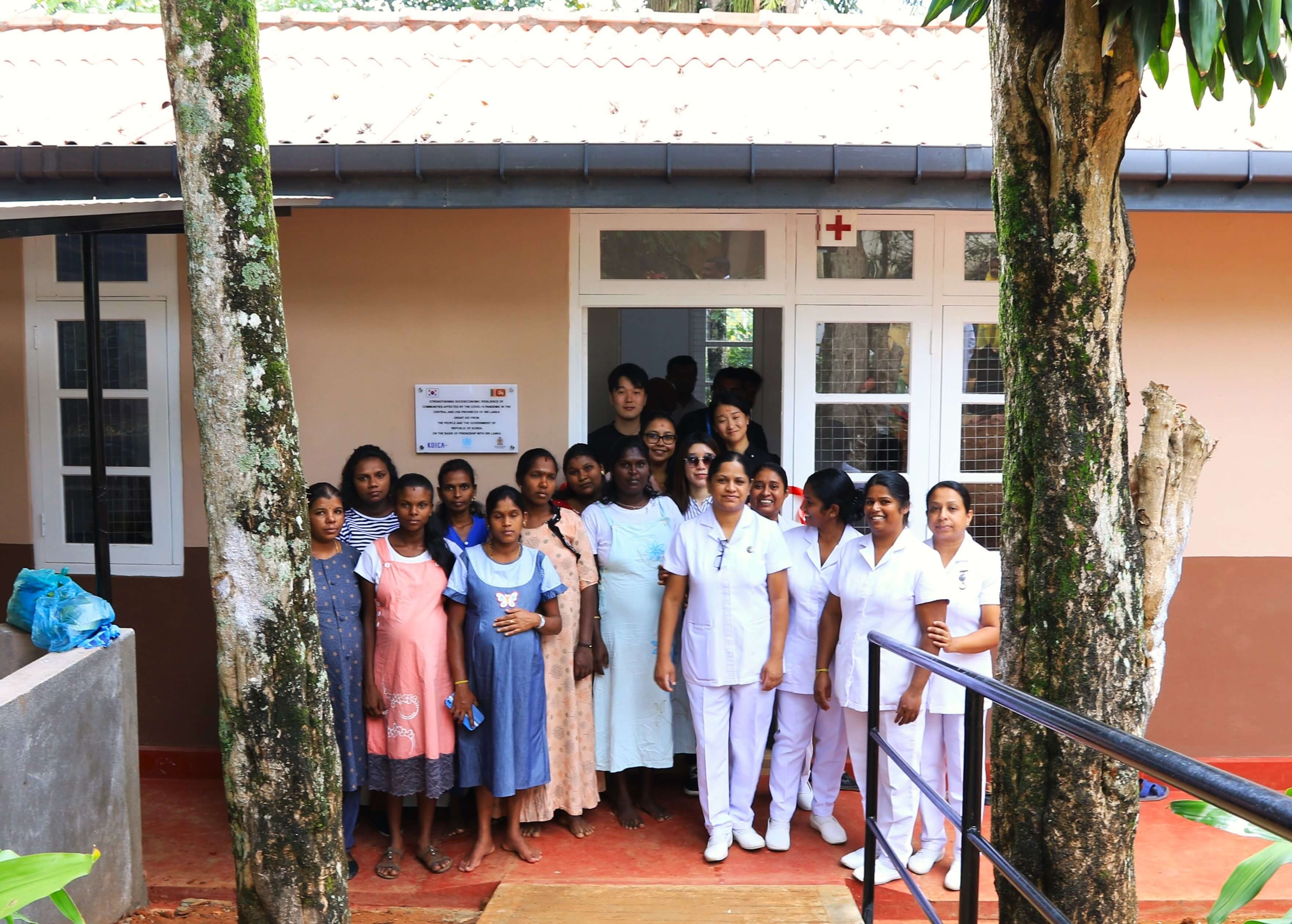
During a monitoring visit, KOICA joins health workers and the community in front of the upgraded entrance, where ramps with handrails improve access for all. © UN-Habitat
Today, the health centre is fully operational, providing safe, hygienic and accessible services for both patients and healthcare workers. Highlighting the improvements, R. Chandrani, the public health midwife at the clinic, says: “The renovated building has disability-friendly features and toilet facilities. Given the area’s frequent bad weather, patients can now safely visit the health centre and receive medical assistance within the facility.”
Strengthening resilience through healthcare investment
Implemented from 2022 to 2026, this collaborative project, built on UN-Habitat's experience, continues to strengthen access to healthcare and sanitation across selected districts. By improving essential infrastructure and services, it has contributed to better health outcomes and more resilient, productive communities.
Cover photo: © Shutterstock