Bangkok, 27 February 2026 — At the 13th Asia-Pacific Forum on Sustainable Development (APFSD13), UN-Habitat emphasized that accelerating the 2030 Agenda in Asia and the Pacific requires stronger multilevel governance, resilient housing systems, and integrated urban solutions that can position the region’s growing cities as key drivers of the Sustainable Development Goals (SDGs).
Held from 24 to 27 February under the theme “Transformative, equitable, innovative and coordinated actions for the 2030 Agenda and its SDGs for a sustainable future for all”, and convened by the United Nations Economic and Social Commission for Asia and the Pacific (ESCAP), the forum is the region’s premier platform for assessing progress on the 2030 Agenda and the SDGs.
With the global review of SDG 6, SDG 7, SDG 9 and SDG 11 at the High-Level Political Forum (HLPF) approaching in July 2026, APFSD served as a key regional input to the process. Discussions at APFSD were informed by the 2026 regional SDG Goal Profiles, which synthesize progress, gaps and priority actions ahead of the High-Level Political Forum. Representatives from governments and local authorities, civil society, academia, youth and the private sector came together to reflect on regional progress and identify concrete actions to accelerate implementation.
© UN-Habitat
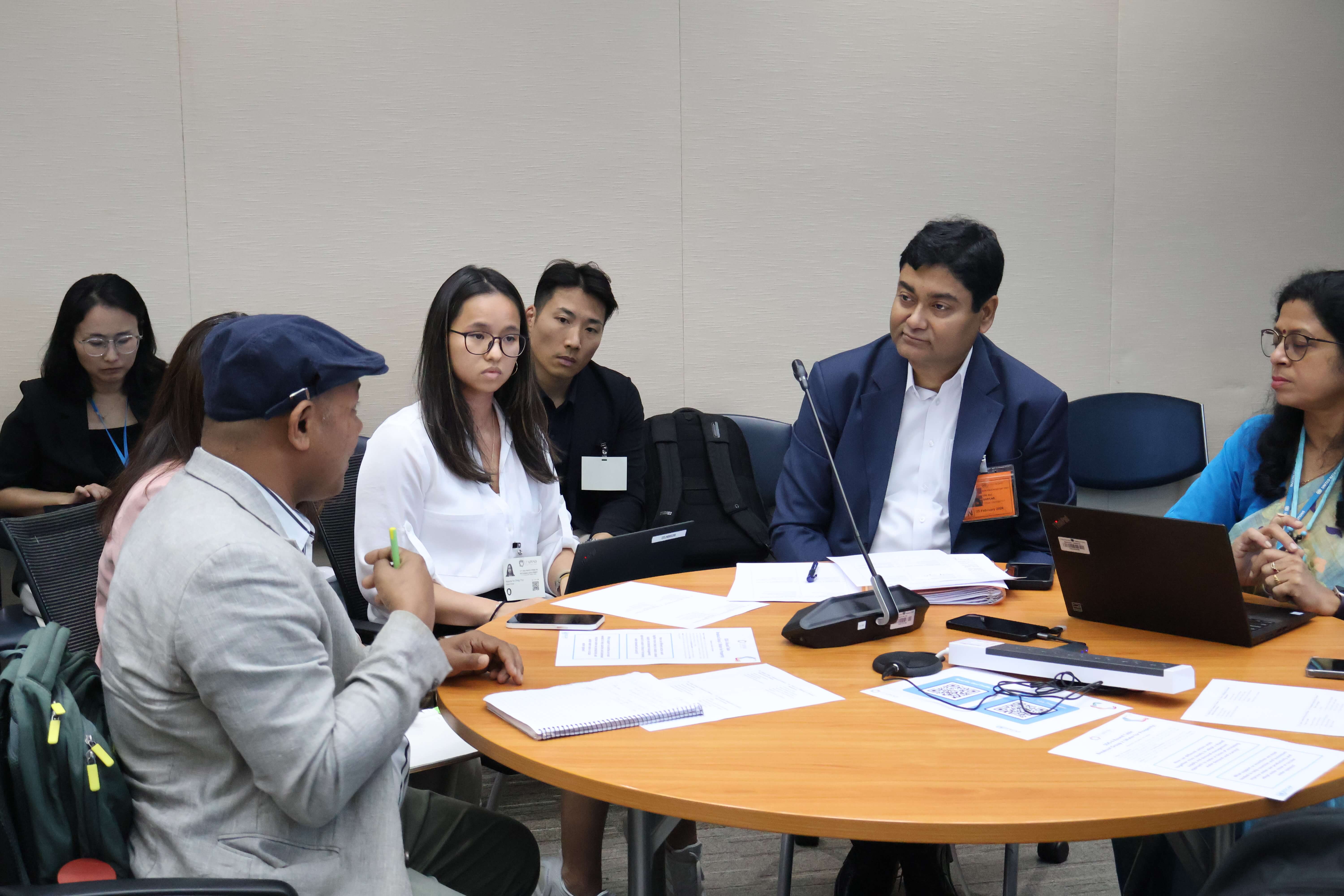
As custodian agency for SDG 11 (Sustainable Cities and Communities) and a key contributor to SDG 6 on water and sanitation, UN-Habitat facilitated the multi-stakeholder review and high-level discussions and convened six side events addressing resilient housing, land subsidence, the water-housing nexus, and transit-oriented development. These discussions highlighted the interconnected nature of the Goals under review and underscored the importance of partnerships under SDG 17 in translating regional commitments into tangible local impact.
UN-Habitat’s Executive Director, Anacláudia Rossbach, highlighted the central role of sustainable urban development in advancing the global agenda: “SDG 11 is the docking station for all SDGs. Cities are essential to unlocking progress on water, energy and infrastructure,” she said. She noted that the Asia-Pacific region is home to more than 350 million urban residents, making regional success essential for achieving the SDGs globally.
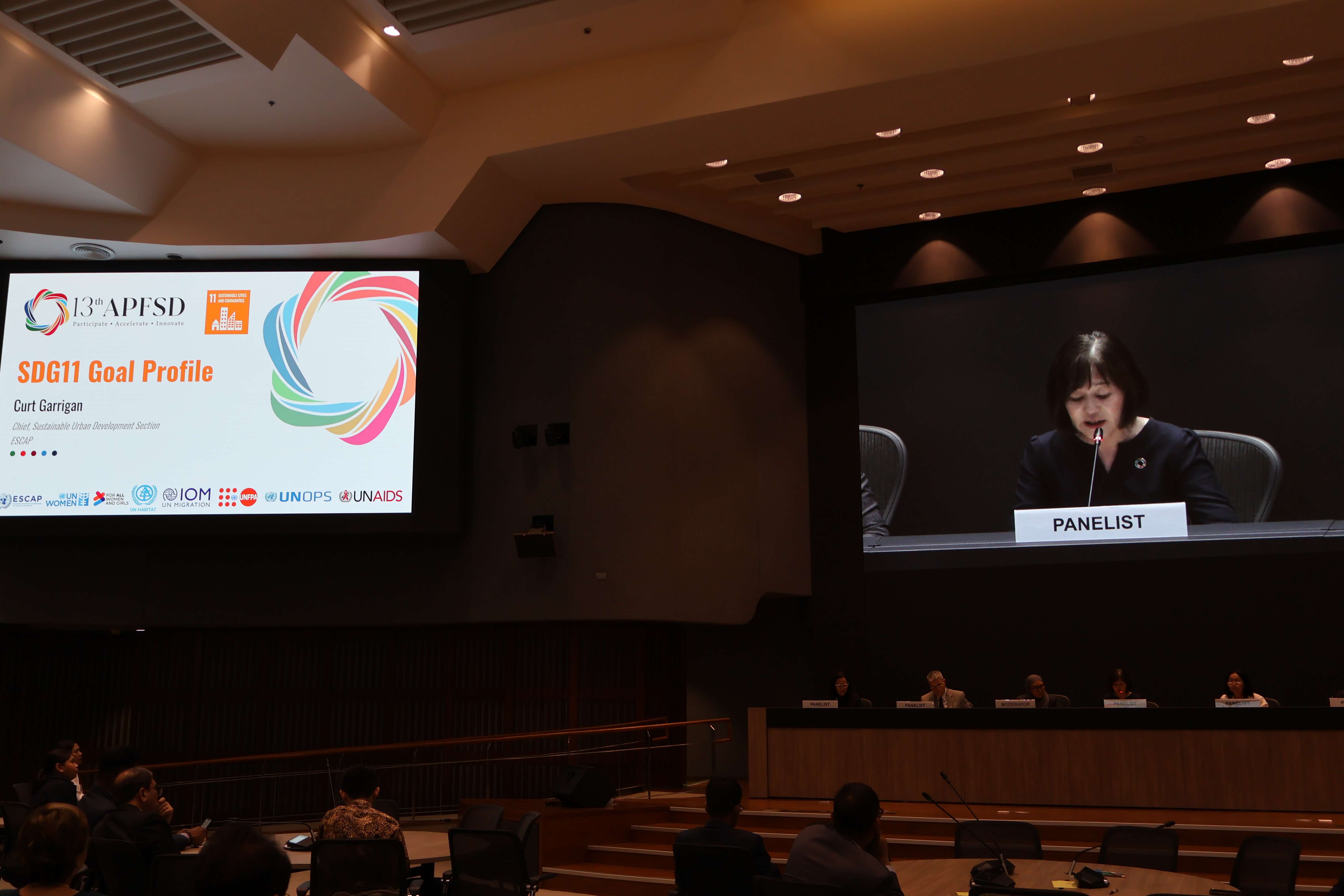
During the Roundtable on SDG 11, Kazuko Ishigaki, UN-Habitat’s Regional Director for Asia and the Pacific, emphasized that the agency’s role extends beyond monitoring progress. “UN-Habitat works with Member States and partners not only to monitor progress, but also to support implementation and shared learning. This year’s SDG11 Goal Profile identifies key levers for acceleration: stronger multilevel governance and future-ready planning; housing and service delivery anchored in resilience and risk reduction; robust urban finance systems; and regional and global cooperation for knowledge sharing and replication. These conditions enable the 2030 Agenda for Sustainable Development and the New Urban Agenda to translate into real improvements in people’s lives.”
© UN-Habitat
On the margins of the Forum, UN-Habitat also held bilateral meetings with government counterparts, UN agencies and development partners to advance collaboration on sustainable urbanization, including engagement around the upcoming thirteenth session of the World Urban Forum (WUF13).
As the region prepares for upcoming global milestones, including the United Nations High-Level Political Forum and the New Urban Agenda mid-term review, UN-Habitat reaffirmed its commitment to working with partners across Asia and the Pacific to accelerate inclusive, resilient and sustainable urban development – ensuring that the 2030 Agenda is realized where it matters most.
Cover photo: © UN-Habitat