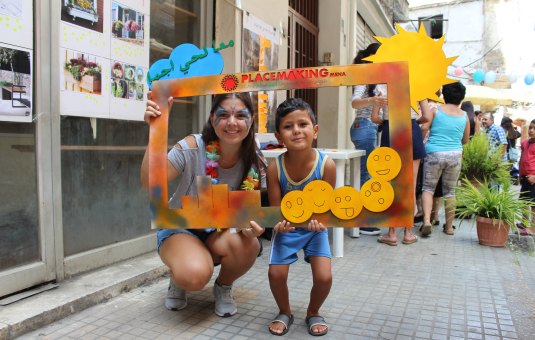
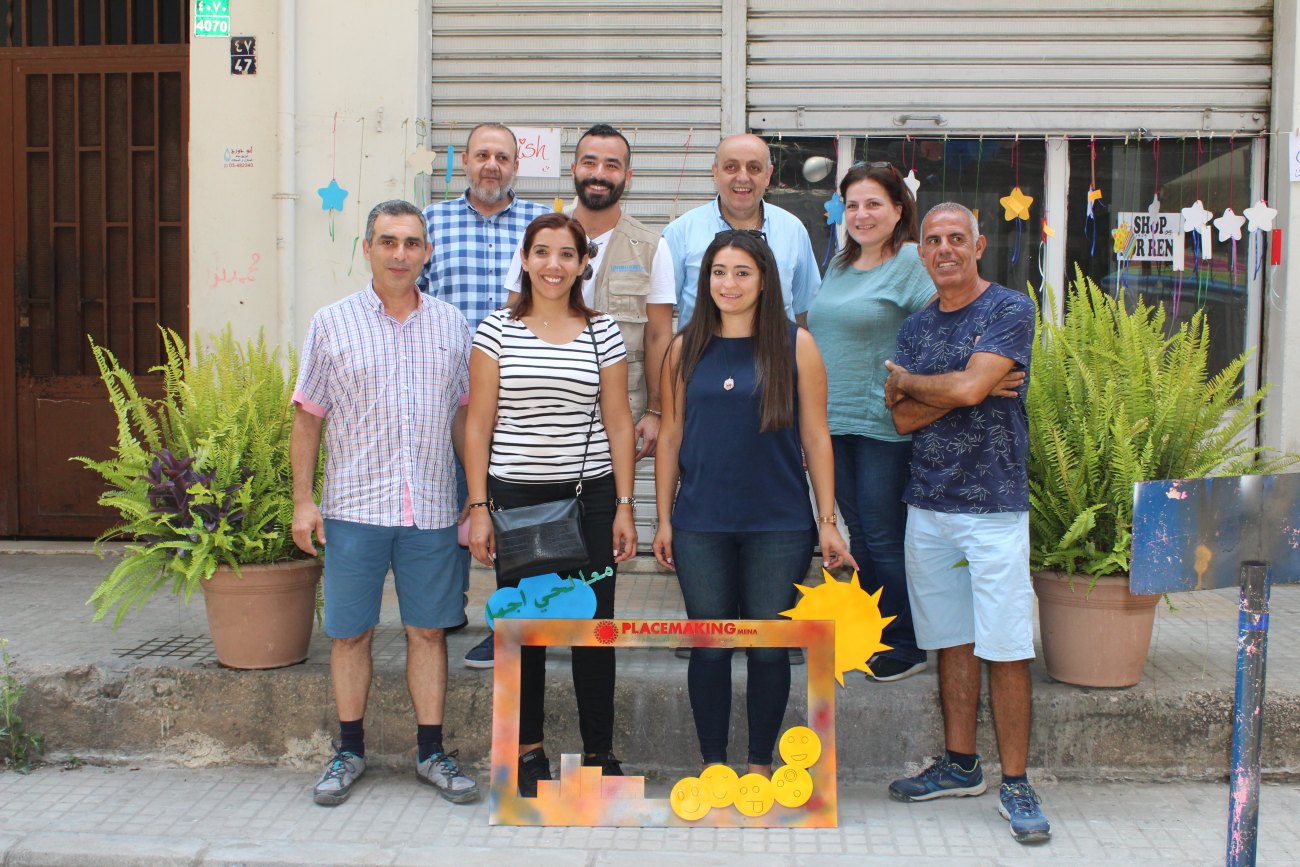
Rony Jalkh, mentioned that as a people-centered approach, Placemaking capitalizes on a local community's assets, inspiration and potential, creating good public spaces that promote people's health, happiness and economic well-beingIt also encourages residents to participate and express their ideas.
Lady Manoukian, who leads UN-Habitat’s Urban Governance, explained how the project aims to revive and enhance existing conditions of the buildings and streets wherever needed by engaging with and involving the community.
The project is constituted of three main components, elaborated Wael Sinno, UN-Habitat’s area coordinator of Beirut and Mount Lebanon. The first is the sub-neighborhood upgrade - through the rehabilitation of the buildings’ facades, improving the street safety and accessibility and improving the access to the basic urban services. The second is the introduction of renewable energy by providing the densely-inhabited neighborhood with a Photovoltaic solar system to provide clean electrical power generation, and the third is the cash-for-work, awareness sessions, and capacity buildings to the residents on specific topics.
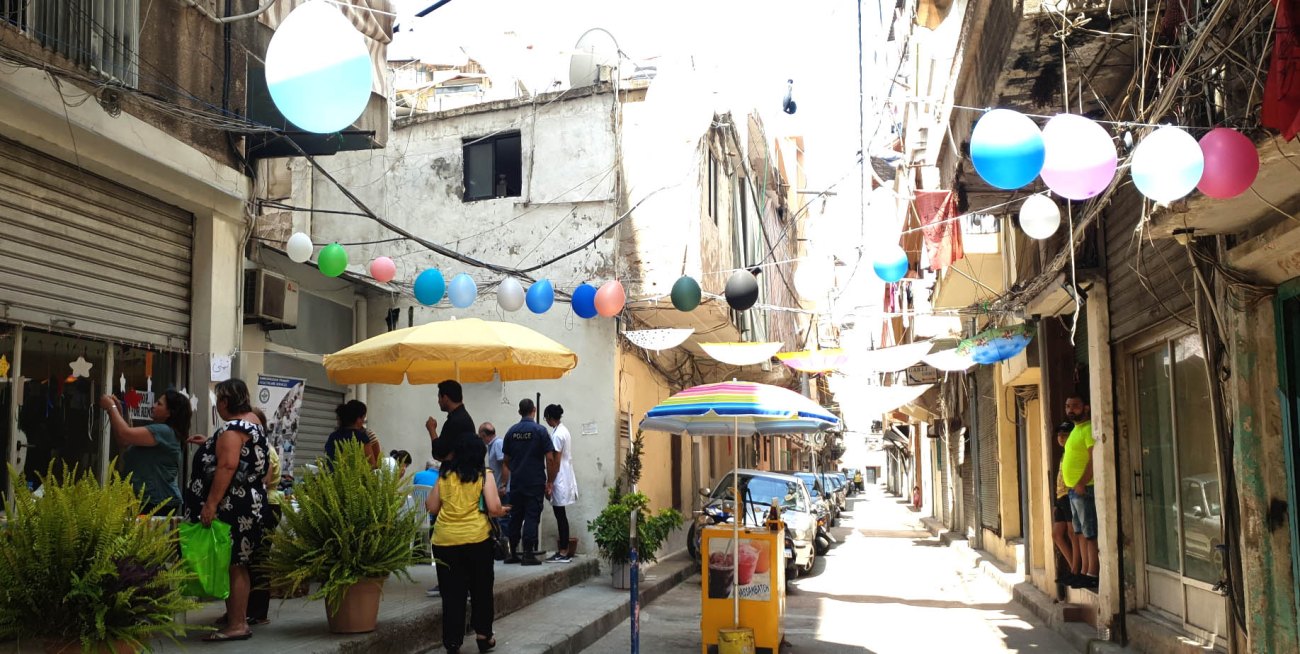
“This project undertakes social and environmental interventions,” observed George Krikorian, a member of Bourj Hamoud municipality council. He added that “it also aims to revive the streets.”
“People are not always aware of the importance of public space and their rights of having an accessible, safe and inclusive public spaces." added Sinno. "What we need to do is to work on introducing this idea to the residents, building their skills and enhancing a sense of belonging and ownership of residents to such places.”