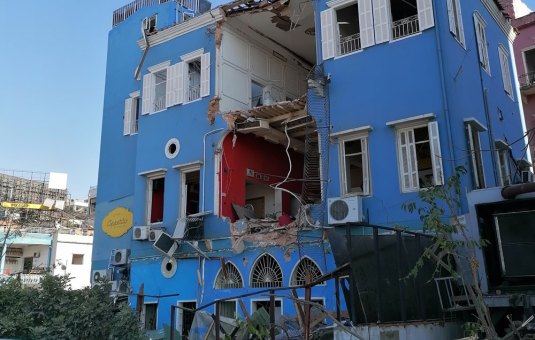
22 August 2022-- Two years have passed since the devastating Beirut Port explosion tore through Lebanon’s capital city, Beirut. In a matter of seconds, the city turned into what looked like a war zone. Although the city’s recovery and reconstruction has progressed – despite the protracted and paralysing political and socioeconomic crises facing the nation – much remains to be done. To date, access to adequate and affordable housing and urban basic services remain a severe challenge.
In this context, UN-Habitat is amplifying its support for the city’s recovery, under an area-based, multi-sectoral urban recovery approach. This includes two additional interventions through the generous and steadfast support of the international community: “Beirut housing rehabilitation and cultural and creative industries recovery;” and, “Ensuring safe public spaces and adequate housing for all within the city of Beirut.”
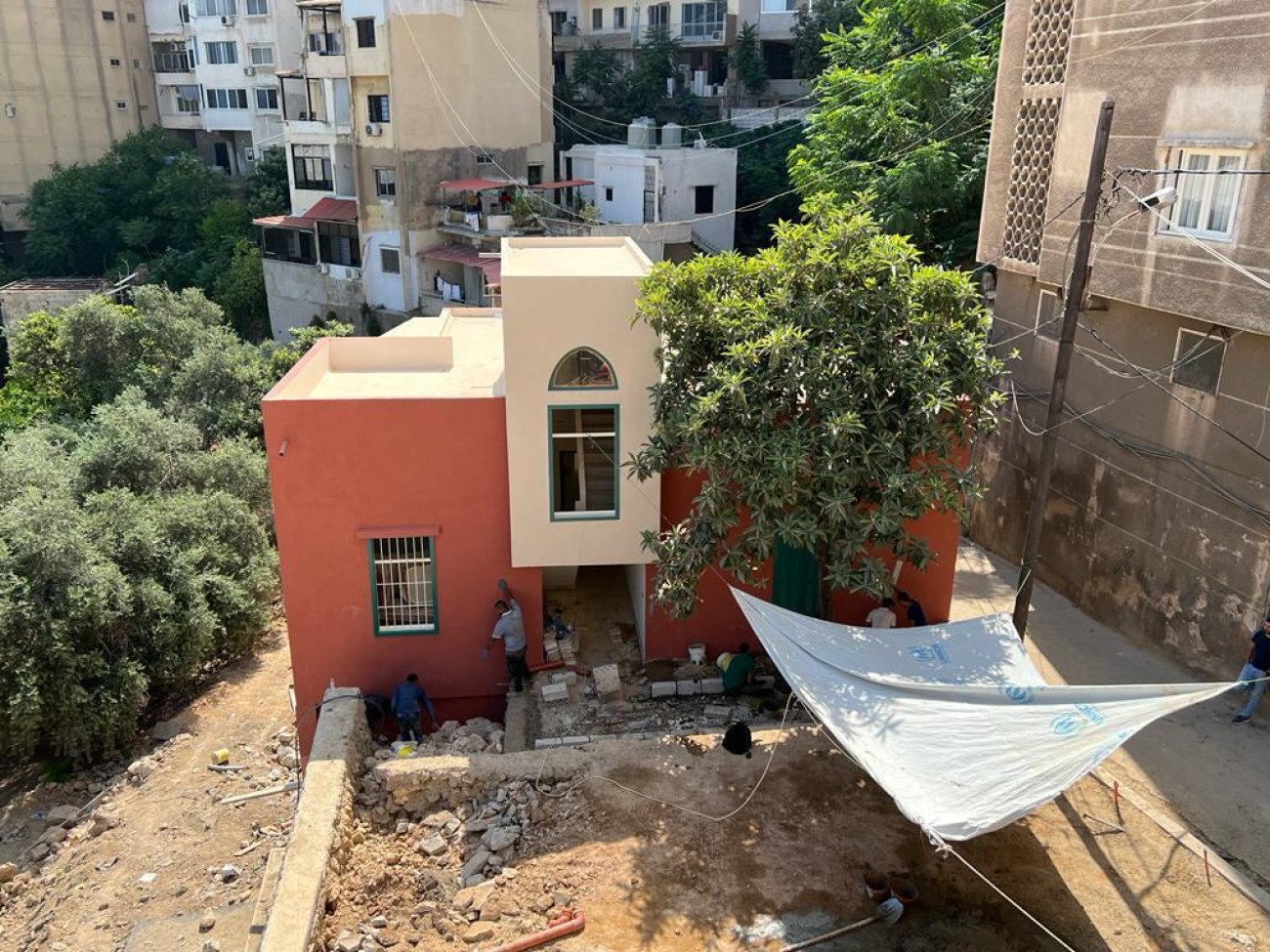
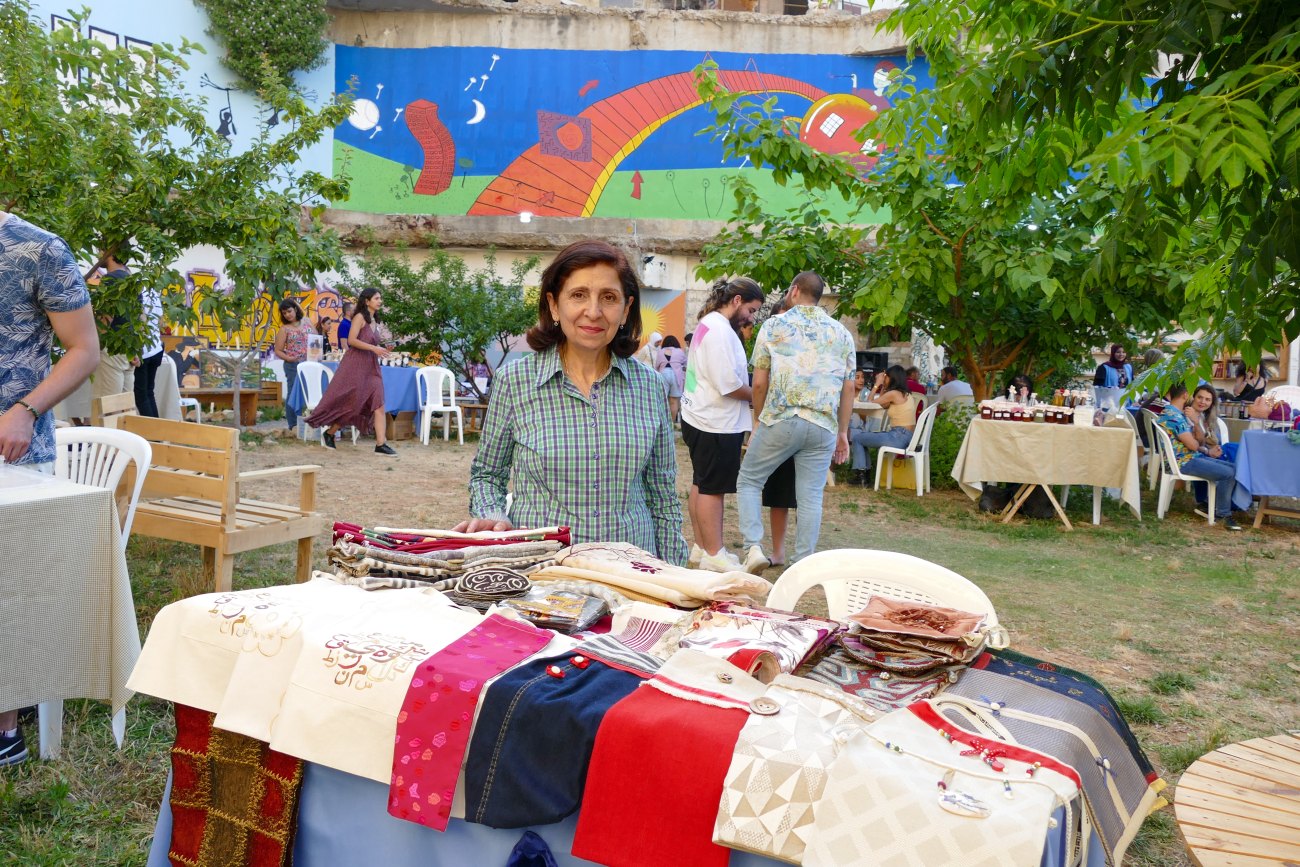
The “Beirut housing rehabilitation and cultural and creative industries recovery” – a US$ 12.75 million grant funded project by the Lebanon Financing Facility, administered by the World Bank – launched in 2022 will allow UN-Habitat to reconstruct valuable housing stock of heritage value and revive critical creative, and cultural sectors through grants, both severely affected by the explosion. At least thirty-one multi-level residential buildings of heritage value will be completely rehabilitated through a build back better approach. In partnership with UNESCO, 150 grants will be provided to support practitioners and entities of cultural and creative industries get back on their feet.
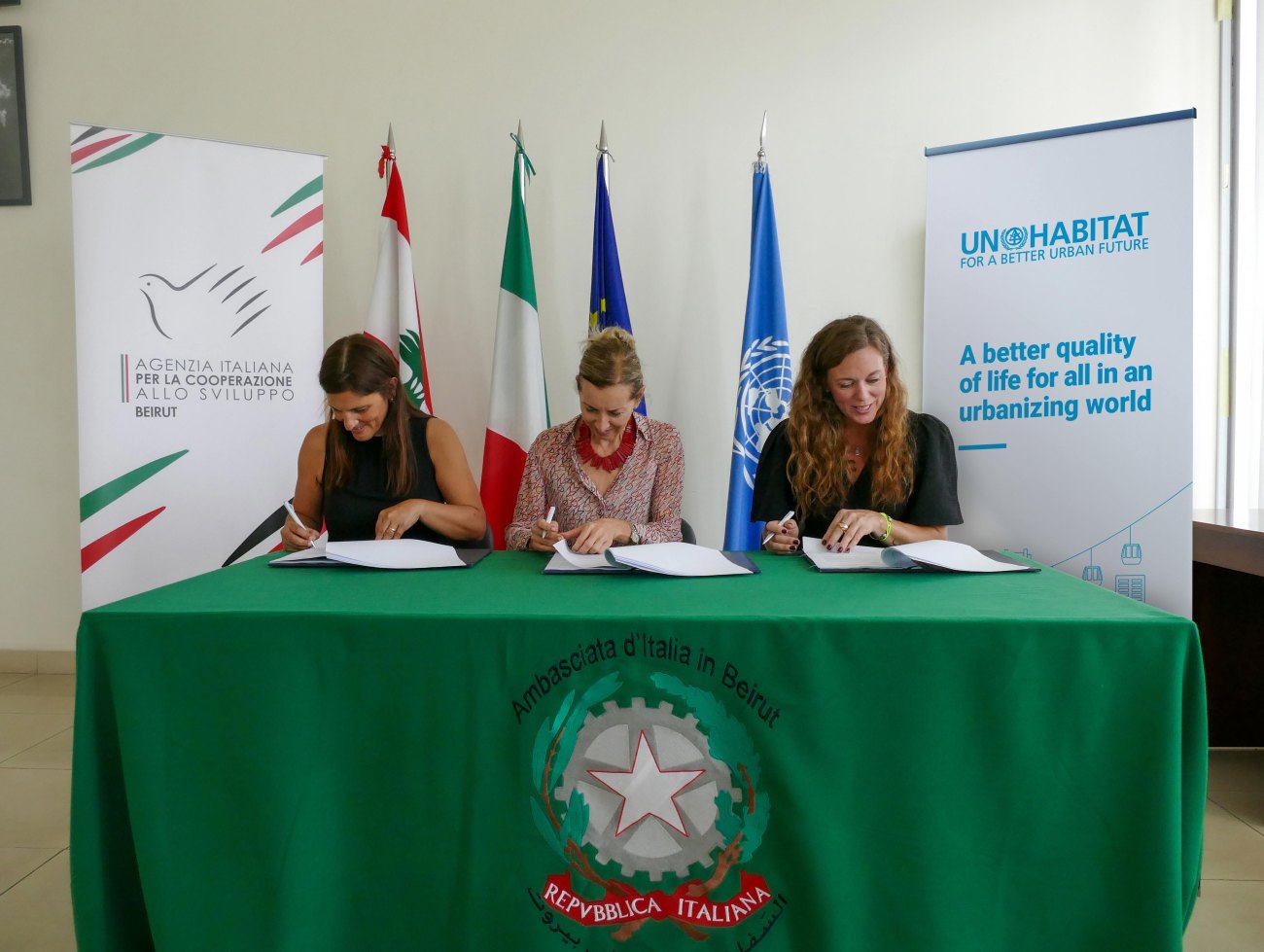
A second urban recovery intervention is entitled: “Ensuring safe public spaces and adequate housing for all within the city of Beirut”, funded by the Italian Agency for Development Cooperation (AICS) through a EUR 2.3 million grant. This project will not only provide rehabilitation support to individual housing units occupied by vulnerable families, who have yet to receive support albeit two years after the explosion, but will commence an important public space regeneration project of a historical train station in Mar Mikhael. The Mar Mikhael train station (the railways in Lebanon ceased to operate during the civil war 1975-1990), is currently a dilapidated non-functional public space in the heart of historical Beirut. Through UN-Habitat’s intervention, a comprehensive participatory revival and urban regeneration approach will be applied, aimed at reviving commerce and increase access to safe and inclusive public spaces in the area.