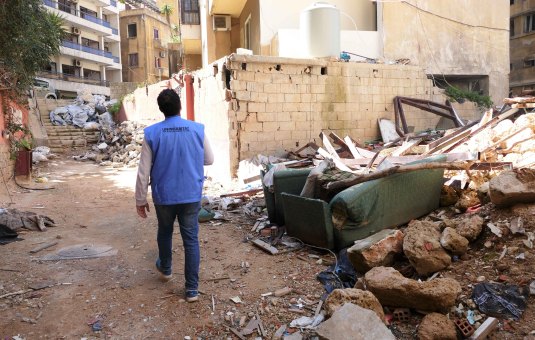
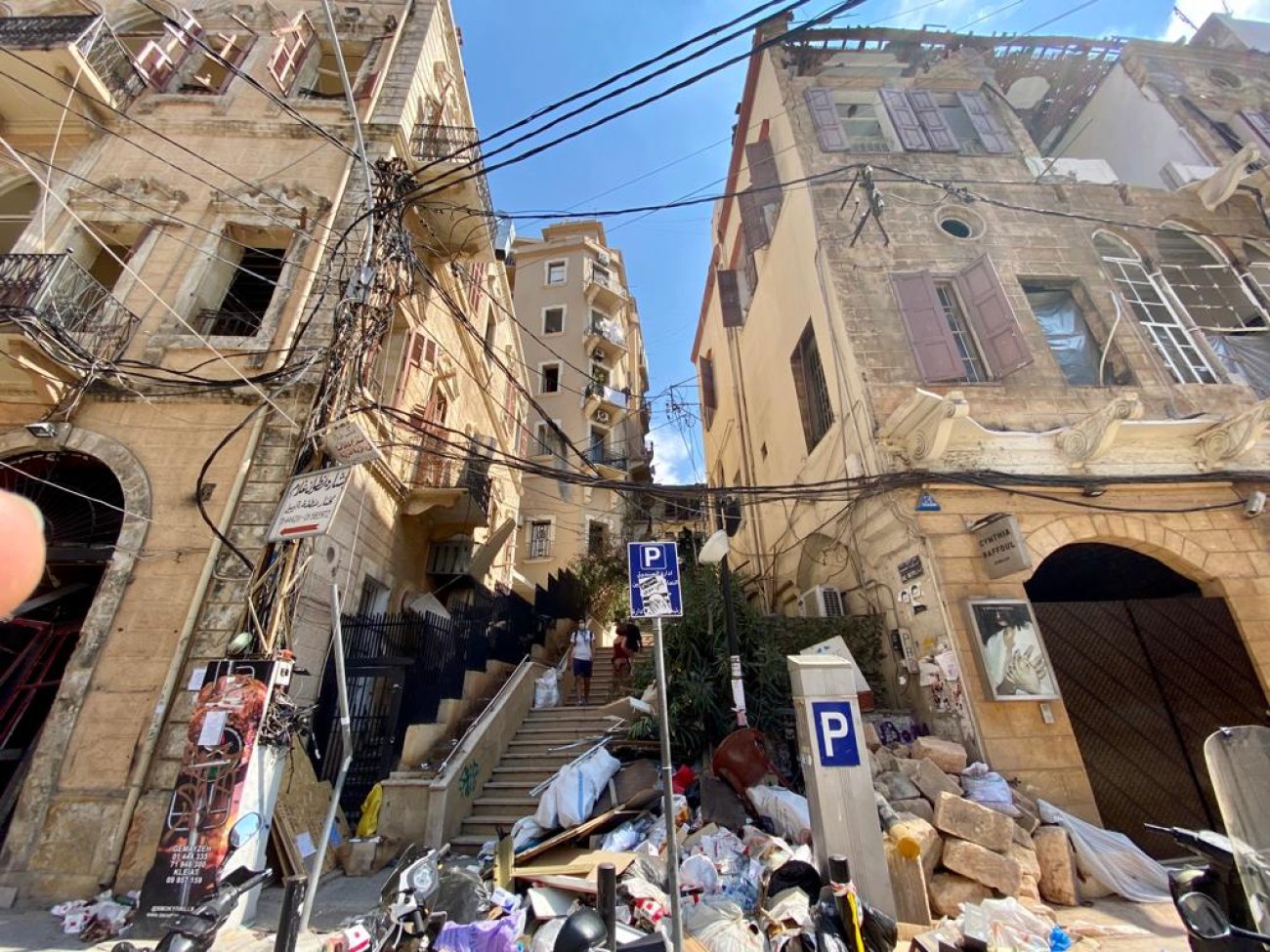
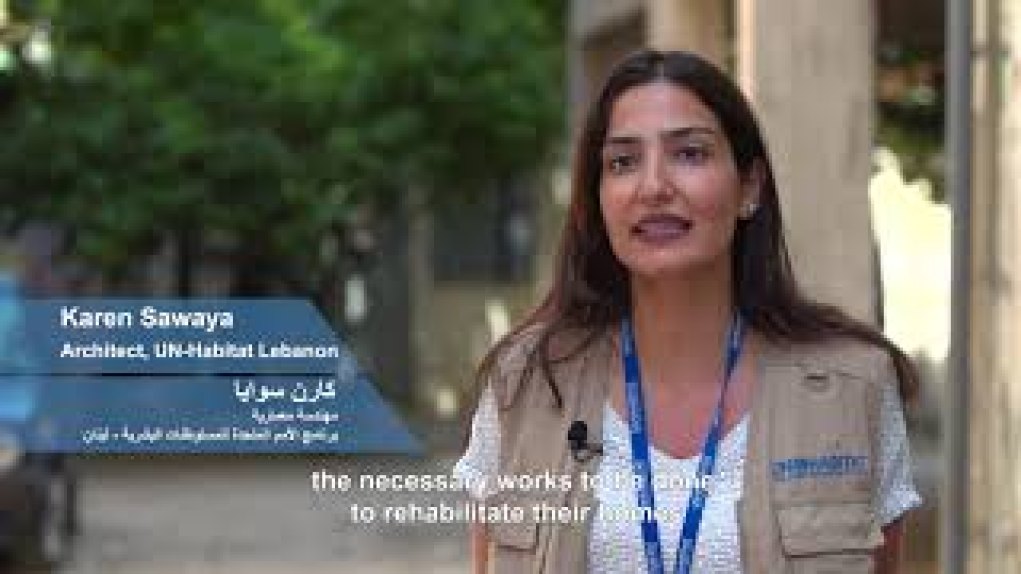
“A year after the explosion, people continue to suffer huge physical and emotional scars,” said Taina Christiansen, Head of UN-Habitat’s Country Programme in Lebanon.
“However, the built environment and urban fabric of the city – housing, public spaces and infrastructure, heritage, health and education services – continue to be pieced together through strong local and international initiatives, many spearheaded by civilians through support from the international community. The self-recovery of the city has been remarkable but, much remains to be done.”
The country continues to suffer a severe financial and economic crisis alongside a political stalemate. Hospitals and public services have been hit by shortages in electricity and fuel and prices continue to rise.
Some of the immediate needs that were present directly after the explosion remain. Access to safe and affordable housing has become even more scarce. The ongoing economic crisis has nearly doubled the price of quality construction materials such as aluminium and glass, resulting in many homeowners and landlords being unable to afford to repair their damaged homes. Due to the continuously depreciating currency rents are increasing with some landlords only accepting payment in US dollars.
Together with the United Nations family, UN-Habitat has and continues to contribute to improving living conditions for thousands of people who were directly affected by the explosion and continue to face hardships.
Areas of immediate intervention revolved around damage assessment, housing, education, healthcare and debris management. All projects implemented by UN-Habitat in response to the explosion ensured that the most marginalized were prioritized for support. Households led by women, refugees, migrants, the elderly, people living with disabilities and those struggling to make ends meet were identified and selected as priority beneficiaries for cash-for-shelter assistance, funded by the UN’s Central Emergency Response Fund. This supported 4,000 individuals, and a shelter repair project, funded by the International Islamic Charity Organization, in Rmeil and Nabaa, Bourj Hammoud respectively.
Jihan, mother and resident of Nabaa, Bourj Hammoud heads one of the 100 families (around 500 individuals) supported by UN-Habitat’s shelter repair project. The explosion left her home without windows or doors.
“Thank God, they [UN-Habitat] contacted me after the initial interview to arrange for a household visit to evaluate the damage and said that they were ready to help restore my home,” she said.