“UN-Habitat’s engagement in the Beirut Port explosion response and recovery efforts have spanned various sectors including rehabilitation of homes, private schools and medical facilities; rubble and debris management; and cash-for-shelter assistance. All activities seek to complement one another and have proven that an intersectoral and holistic approach is vital to Beirut’s recovery from crises, such as the Beirut Port explosion,” said Taina Christiansen, UN-Habitat Lebanon’s Head of Country Programme.
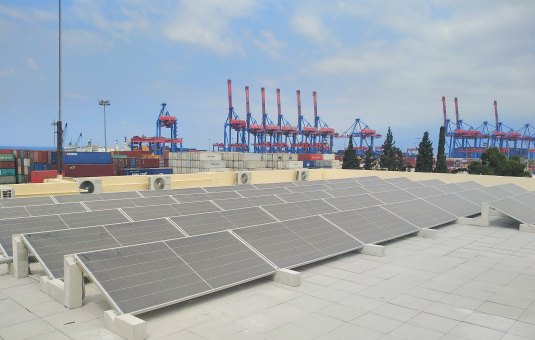
While most residential and commercial buildings in Lebanon now rely on private generators for electricity supply, the National HIV and TB Centre is only the second medical facility in the capital to use solar panels to produce renewable energy. The system used at the Centre is known as “on-grid” power generation system, meaning the panels are connected to the main power grid in the country and the existing generator. That, in turn, reduces the amount of fuel needed for the generator – and the cost – and can send excess power generated to the utility grid when overproducing.
While much of Lebanon has lacked all-day power supply from the national grid – pre-dating the current crisis – the current situation has become particularly acute in recent months due to fuel shortages that have caused major power plants to grind to halt and private generators with inadequate amounts of fuel to provide power 24/7, this has left most homes receiving only a couple of hours of electricity each day.
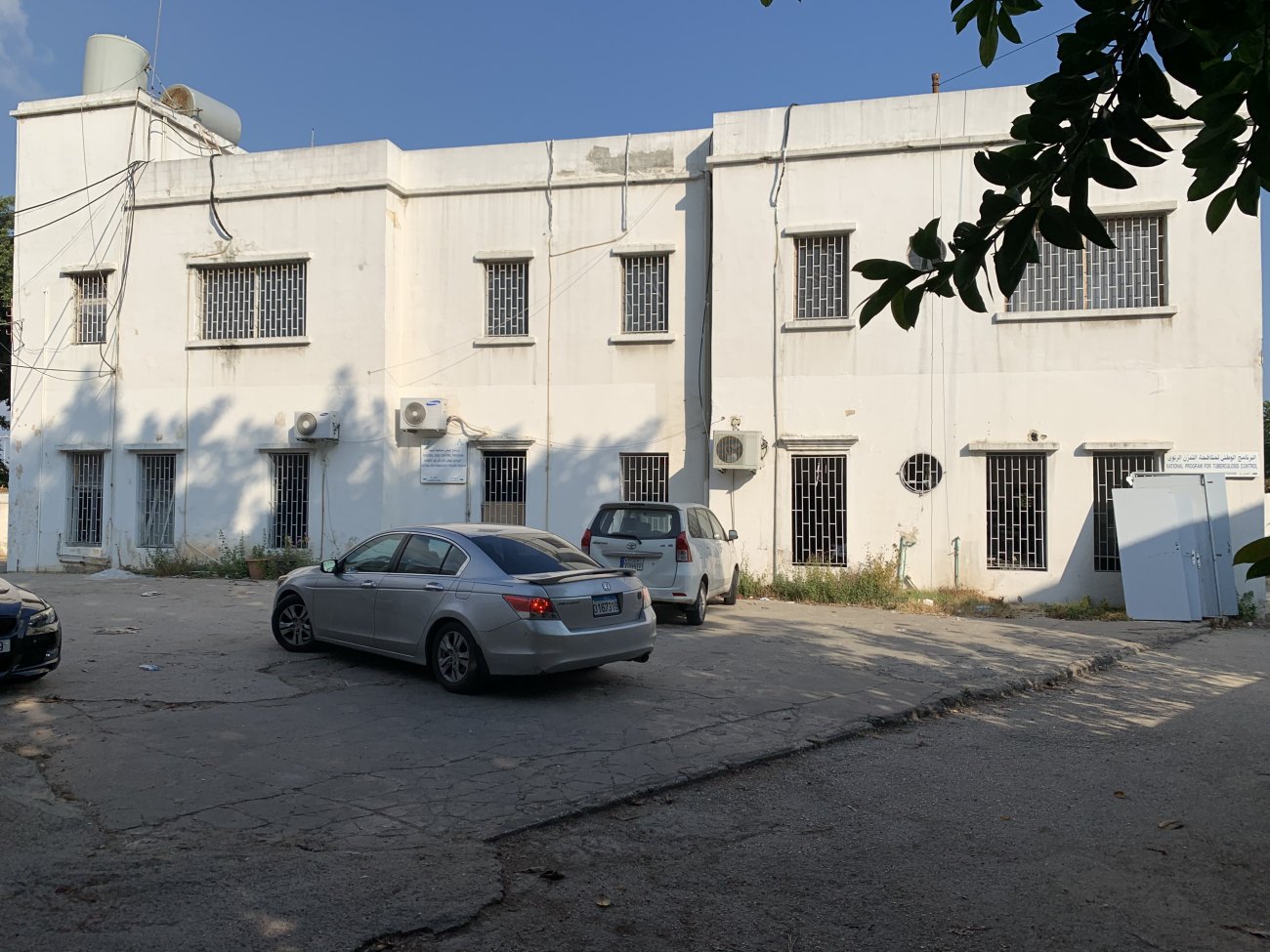
The rehabilitation of the National HIV and TB Centre in Karantina, Beirut, funded by the Swedish International Development Cooperation Agency, known as Sida, allows the Centre to operate fully and preserve medications and vaccines that require constant climatisation, and saves the Centre USD 1,000 each month.
While most residential and commercial buildings in Lebanon now rely on private generators for electricity supply, the National HIV and TB Centre is only the second medical facility in the capital to use solar panels to produce renewable energy. The system used at the Centre is known as “on-grid” power generation system, meaning the panels are connected to the main power grid in the country and the existing generator. That, in turn, reduces the amount of fuel needed for the generator – and the cost – and can send excess power generated to the utility grid when overproducing. The system was installed as per the highest quality and safety standards guaranteed through a collaboration with the Lebanese Center for Energy Conservation that supported UN-Habitat in setting its technical specifications while exchanging knowledge that can be capitalized on in future projects.