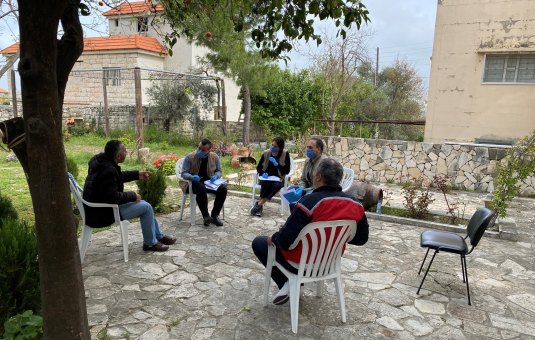
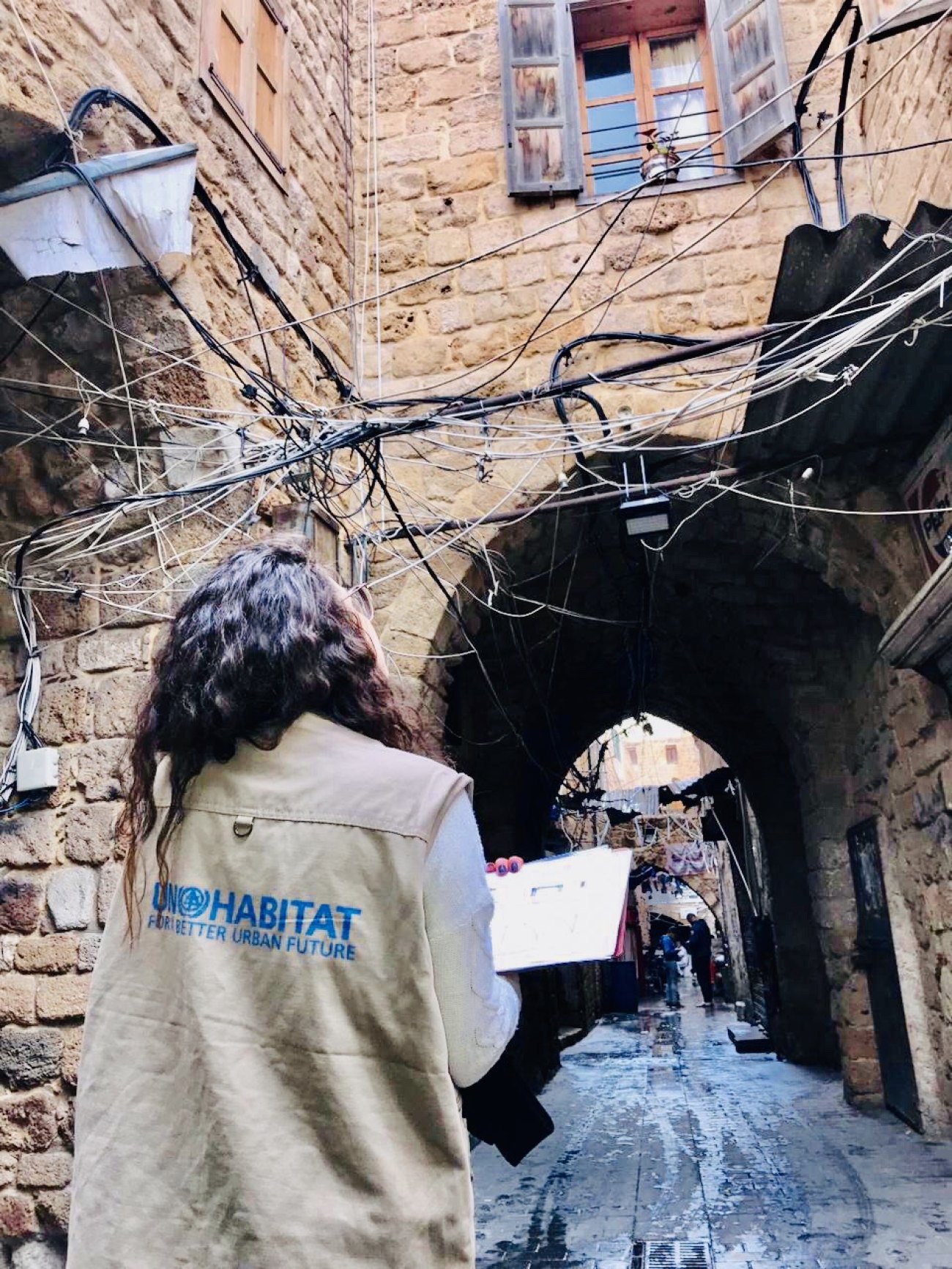
Beirut, 22 April 2020 – Local authorities in Lebanon are playing a major role to curtail the spread of COVID-19, particularly in vulnerable urban settings, while still maintaining critical services. UN-Habitat is providing support by identifying the major problems and suggesting solutions.
UN-Habitat rapidly assessed 33 Unions of Municipalities, which make up more than 630 of the country’s roughly 1,000 municipalities, or more than 3 million Lebanese nationals, 700,000 Syrian refugees, and 180,000 Palestinian refugees from Lebanon.
“Our aim is to contribute to a broader coordinated response by complementing and leveraging actions by others,” said Taina Christiansen, Head of UN-Habitat Country Programme in Lebanon.
“Through this approach, we will collectively identify key urban challenges relating to COVID-19, such as water, sanitation, hygiene, shelter and mobility, and propose mitigating measures in the most vulnerable locations that address the most vulnerable populations.”
The preliminary findings range from a severe lack of clean water in most disadvantaged urban neighbourhoods to the incorrect treatment of wastewater and solid medical waste. Other challenges include translating national level directives and guidance at the local level and a lack of clear procedures on preventative measures to take against COVID-19 at the community level.
“Municipalities are the foundation of every city, they know what neighbourhoods are desperately in need of, and how long people will still be able to manage the ongoing crisis,” said the Mayor of Tripoli, Dr. Riad Yamaq.