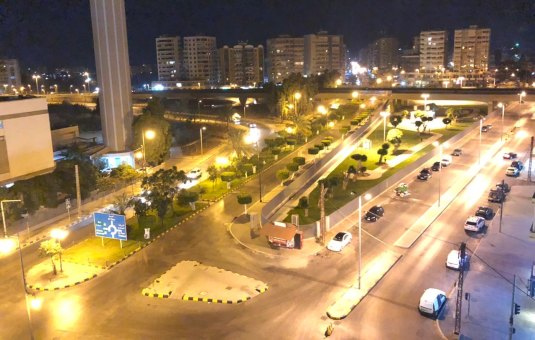
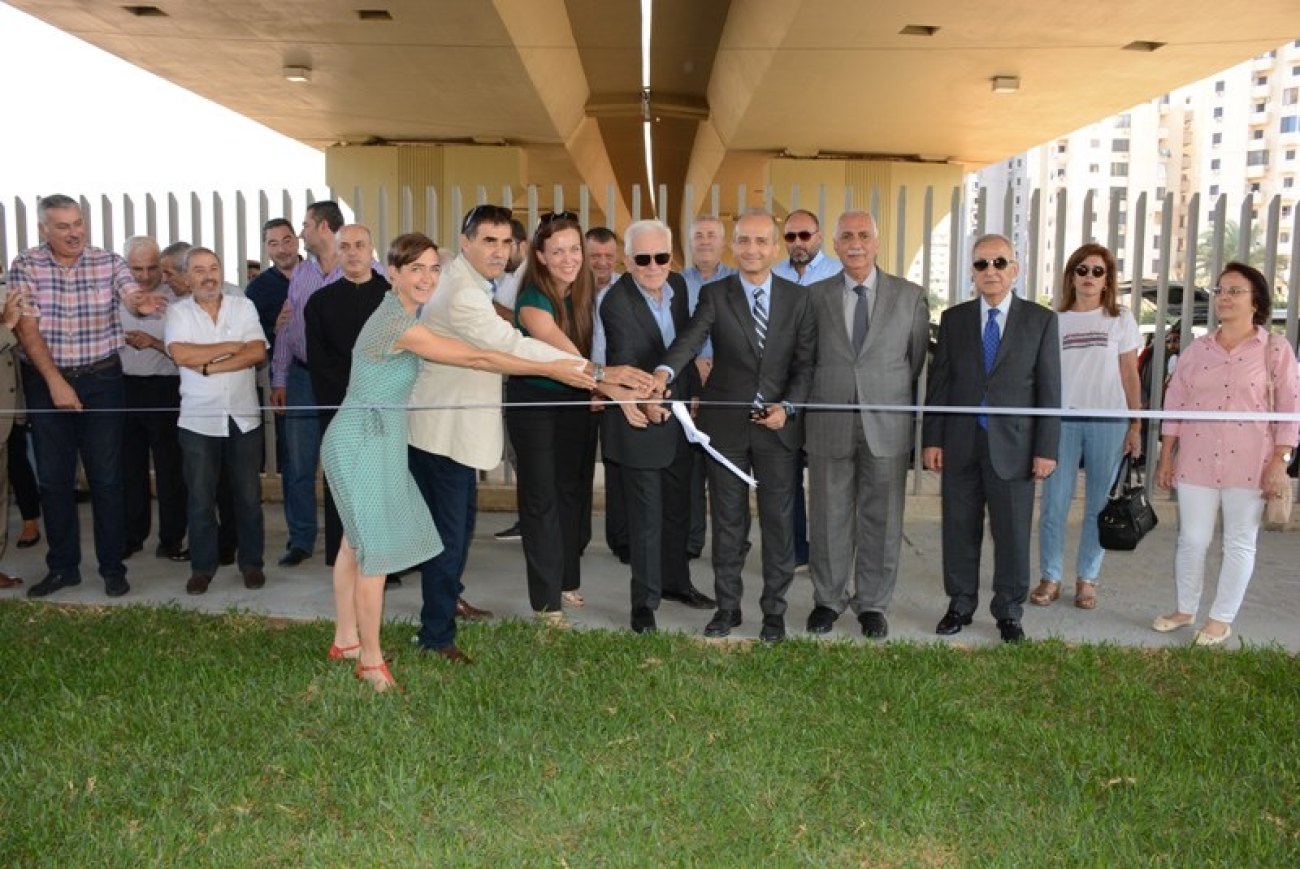
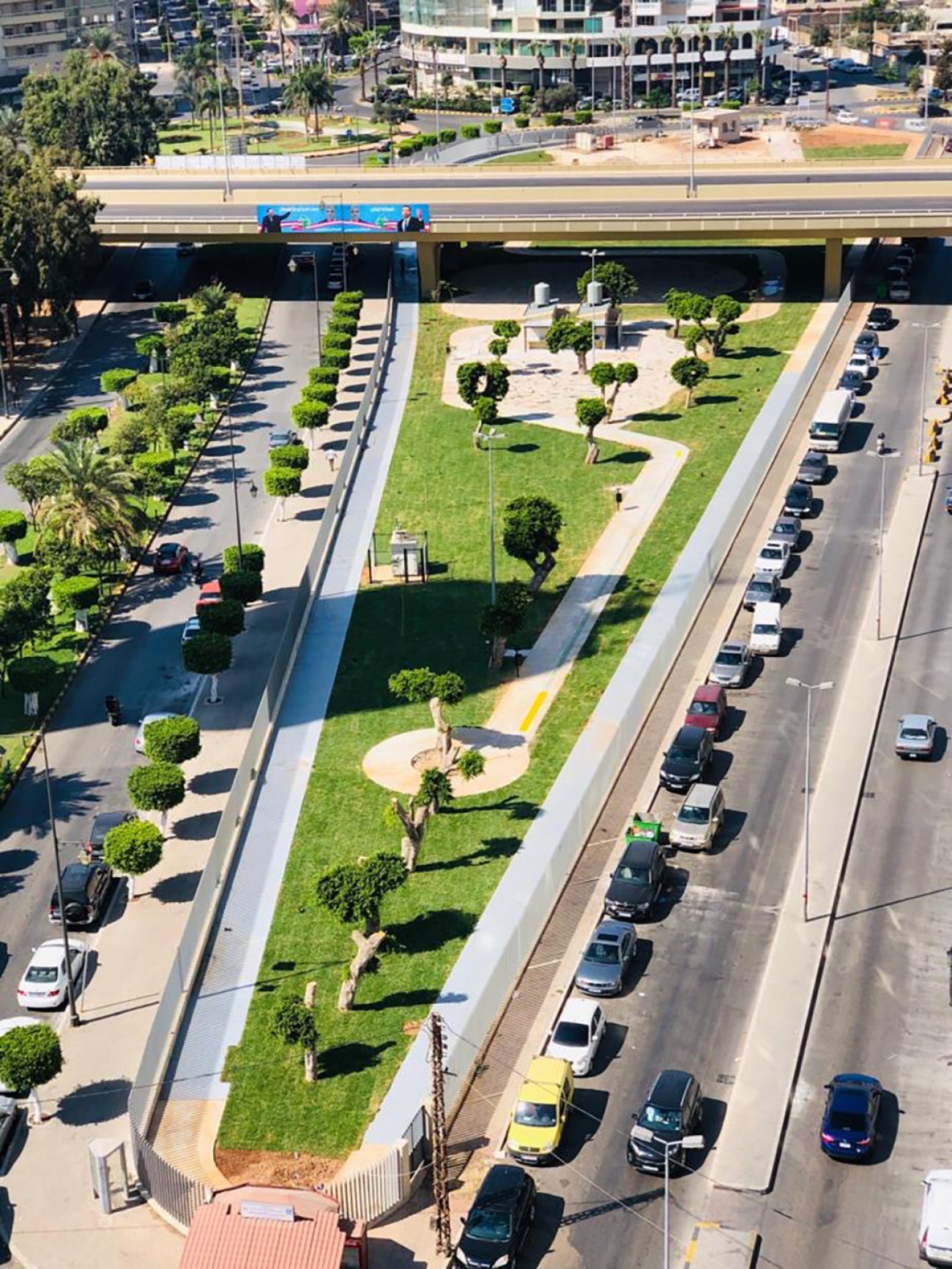
In his remarks at the opening, the Mayor of Mina, Mr. Abdel Kader Alameddine, said, “Public spaces can transform our cities into a positive form and serve as a place for communities to come together and affect the well-being of citizens, including vulnerable groups, directly in the environment in which they live”. He added, “Public spaces can play a key role in the social and economic life of societies. They provide opportunities to connect, engage with the community and promote social cohesion.”
In carrying out the project, UN-Habitat Lebanon undertook a mini-profiling exercise of the Mina Municipality to identify some of the principal urban needs in the community through observation, interviews with partners, surveys with the community and the municipal council. Re-developing the public space was identified as a priority to ensure a public space that is able to cater to the diversity present in the community, and create a social space for everyone to participate and thrive in.
The Public Park has already had a positive impact on the immediate surroundings by contributing to an organic urban regeneration as residents have begun to upgrade and renovate their homes.
UN-Habitat Regional Director for the Arab States, Mr. Erfan Ali, added that this space provides an important opportunity to bring communities together, a safe place for all to meet and play, contributing to the overall social and economic fabric of the community and the safety and health of citizens.
Lebanon’s population is 89% urban, and the country continues to witness unprecedented urban growth. Decades of conflict and recurrent unrest, coupled with the absence of national and regional urban policies and strategies, and weak institutional structures, poses immense challenges to the management and implementation of sustainable urbanization.
In response, UN-Habitat Lebanon, through its comprehensive neighbourhood strategies undertakes informed and recommended interventions to improve living conditions for both host and refugee populations. This is done by a spatial and thematic phased response plan, through community stabilization, the upgrading of basic urban services, creation of public spaces, housing and improving capacity for effective governance.