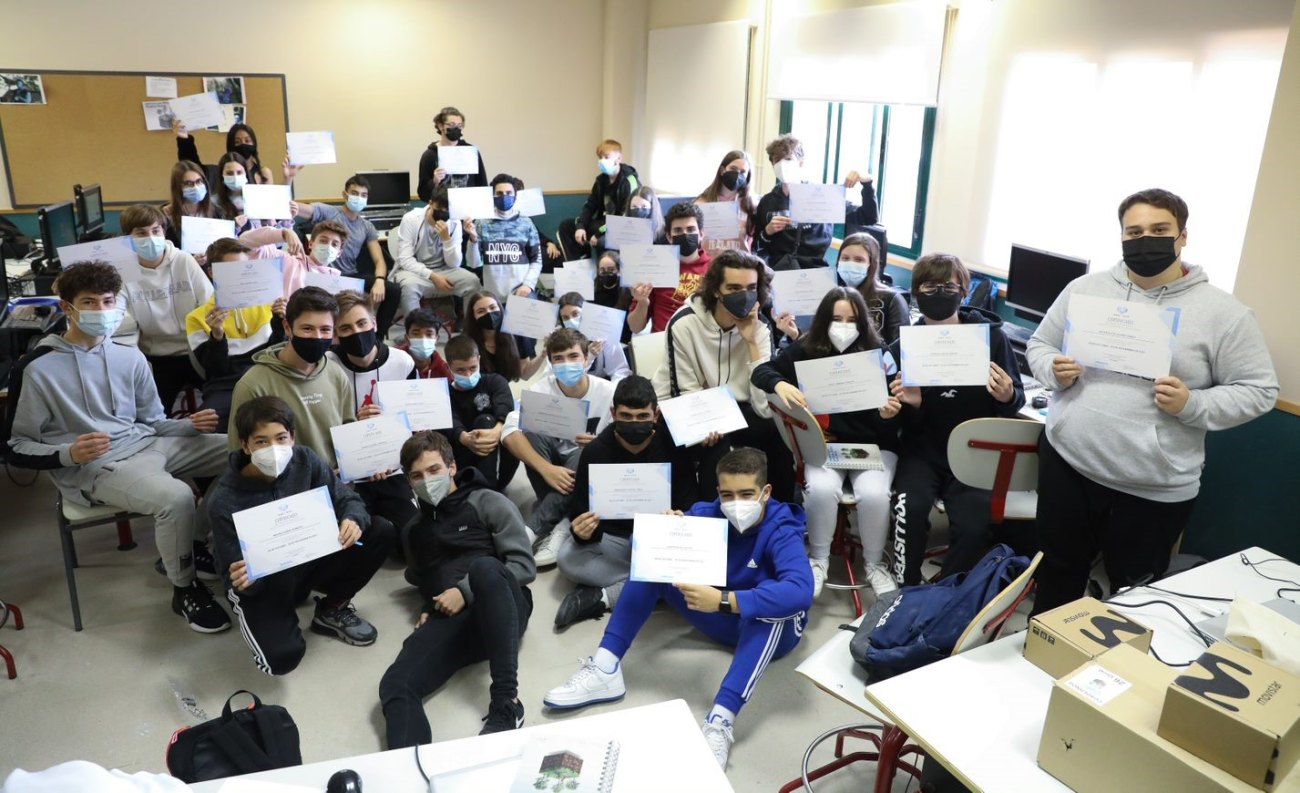
DCN Director of social commitment, Gema Del Pozo, explained how “the project highlighted the importance of digital engagement and the impact of participation in driving inclusive urban change. With technology, young people and students felt involved in the development of their own city.”
Imagining spaces for everyone
Young participants valued the process and the fact that their opinions were considered and their voices were heard. As a result of the engagement process, the needs of people, including children, women and girls, older persons and persons with disabilities, were taken into account, ensuring that the park is accessible for all.
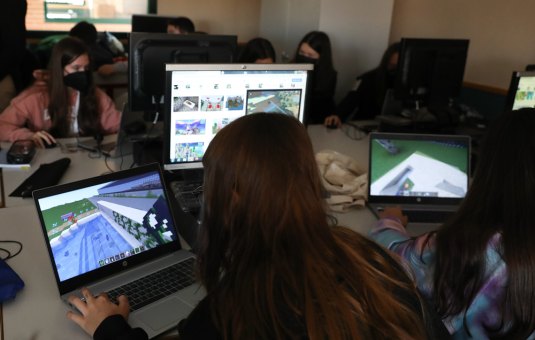
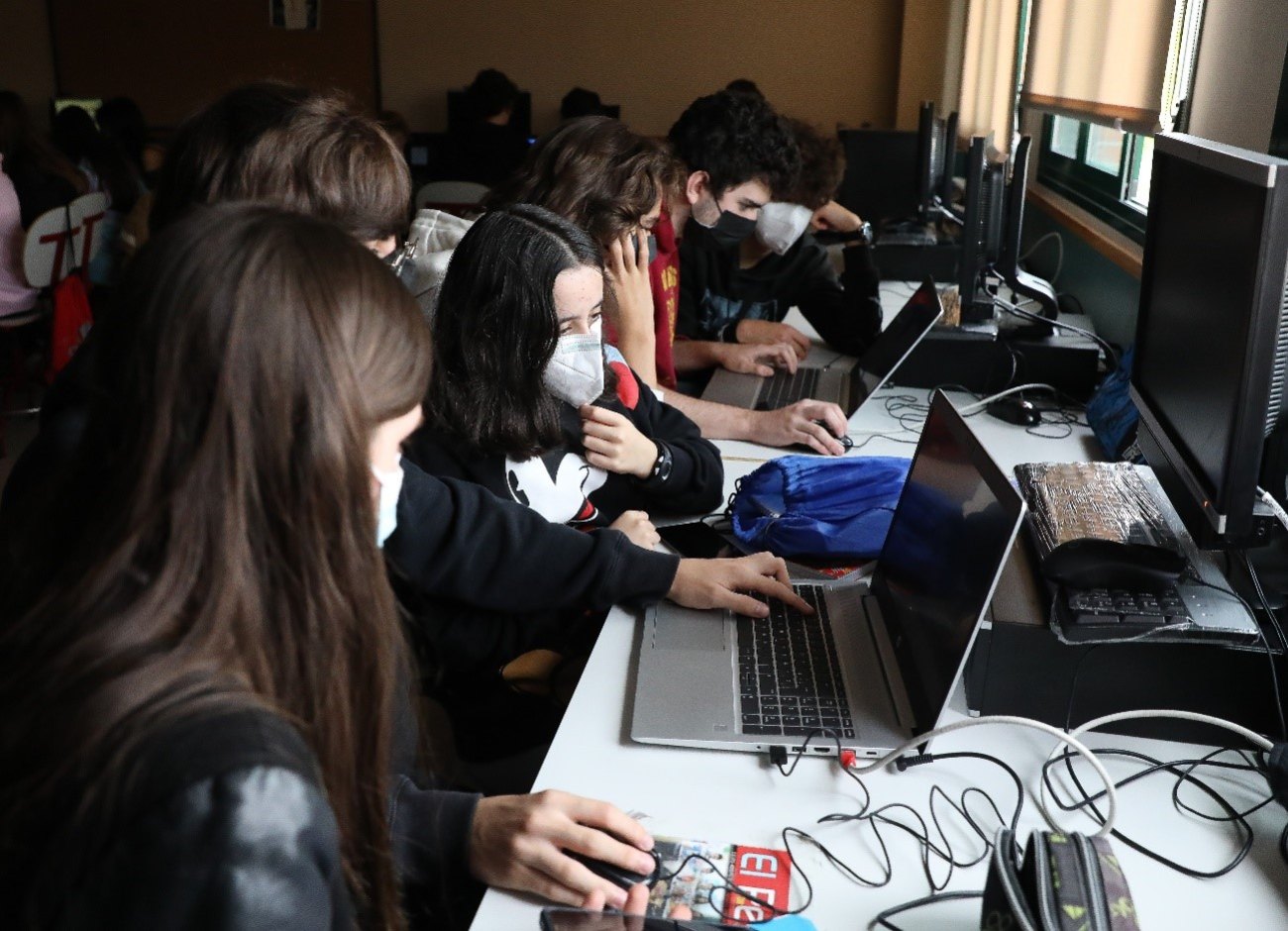
Minecraft, a digital Lego game used in building cities, allowed the students to be very committed and approach the project with enthusiasm while having fun. Teachers highlighted how students were serious and working effectively in teams to re-design a space that they will use in the future.
A sustainable, accessible, safe park with leisure and sports areas
The one-year engagement process allowed different participants to express their needs and partake in a process to make the park more accessible, inclusive, safe and greener. The design outcomes were unanimous and range from increasing greenery and adding walking paths to increasing night visibility by considering renewable energy for solar lighting.