The toolbox
One year ago, on 8 March 2021, UN-Habitat unveiled its Her City toolbox, which, with its embedded participatory processes, helps girls with diverse needs to plan and design cities that work for them, and everyone else.
The toolbox is just another example of how UN-Habitat works to create solutions that allow closing the gender inequality while promoting opportunities for developing more sustainable urban environments.
Since its launch, the toolbox has been tested and implemented in 12 partnership projects in Africa, Middle East, Latin America, and Europe, offering a cost-efficient unique process that provides nine blocks as a digital guideline on how to co-plan cities and public spaces from a girl’s perspective.
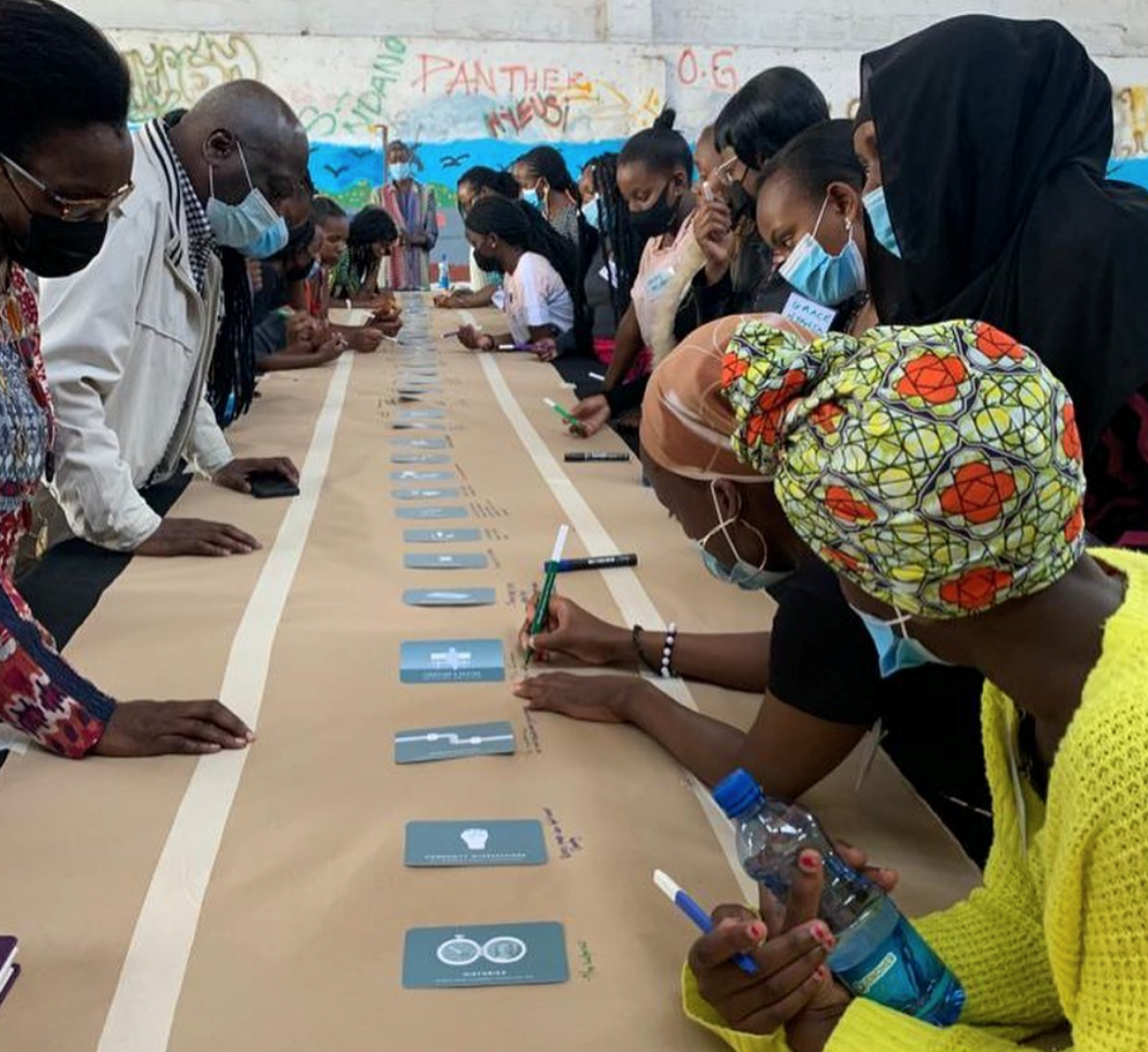
The nine blocks describe the three phases of the urban development process: assessment, design, and implementation. Each block contains a number of activities with detailed steps to follow to deliver Her City projects, linking digital and non-digital tools.
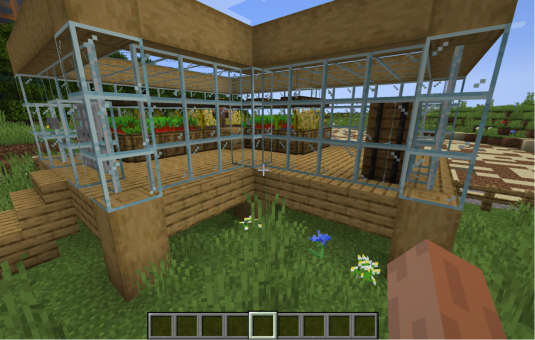
The toolbox includes checklists, calendars, agendas, manuals, forms, boards, apps, templates, surveys and visualisation services. Her City integrates tools such as Jamboard, KoBo collect, MethodKit, Minecraft, SketchFab, SketchUp, and interactive maps.
During the 2021 launch of the toolbox, UN-Habitat Executive Director Maimunah Mohd Sharif emphasized the gender-equality advantages that Her City provides when it come to designing sustainable cities.
“We believe that sharing knowledge and showcasing success stories, is a most efficient tool to reengage and reactivate gender equality in the decade of action. Guiding cities to make a difference on the ground is part of our mandate, this is why we have initiated Her City […] Her City facilities the integration of gender, youth, social economic perspective in the planning, design and implementation of urban public space development processes,” she said.
Diepsloot project
UN-Habitat’s Global Public Space Programme and Global Utmaning first piloted the new digital Her City Toolbox in Diepsloot informal settlement in Johannesburg, where 38 girls participated in the Her City toolbox intervention programme to assess the site and the city, collect data, analyse the challenges, and suggest solutions.
Launched together with the Johannesburg Development Agency (JDA) and Block by Block Foundation the “Indlela Yabafazi - Women’s Way,” the design solutions featured a pedestrian bridge, library, community park, public art and sports facilities.
The interventions also focused on fostering youth leadership, community awareness and local government engagement in harnessing existing resources and innovating new tools and techniques. The girls worked together in groups when designing the site in Minecraft.
“I feel like the programme has taught me about working with others. I would like to be a social worker one day,” said Rebecca Duma,14, one of the participants in the Minecraft workshop.
Nairobi project
In the Kenyan capital of Nairobi, a primary group of girls participating in the HerCity#HerStreets have made design suggestions to improve the streets around the upcoming New GoDown Cultural Arts Complex.
In partnership with the the GoDown Arts Centre and Global Utmaning (Global Challenge), the suggestions have so far ranged from providing and establishing public toilets, urban orchards and mazes, fountains and ponds, free libraries, cycle lanes, interactive pavements, spaces for exhibition & performance, fun parks and public seating.