Through the collaboration with Mojang and other partners, UN-Habitat has conducted numerous technology-driven participatory workshops that have resulted in meaningful changes in the physical fabric of participants’ cities and neighborhoods.
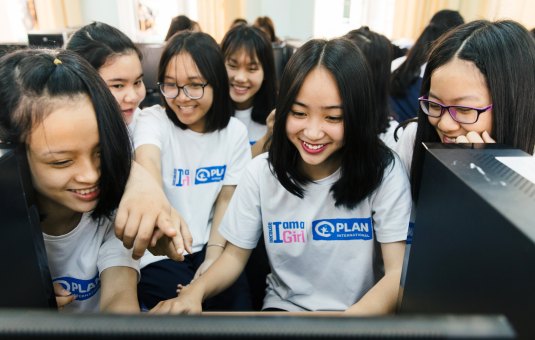
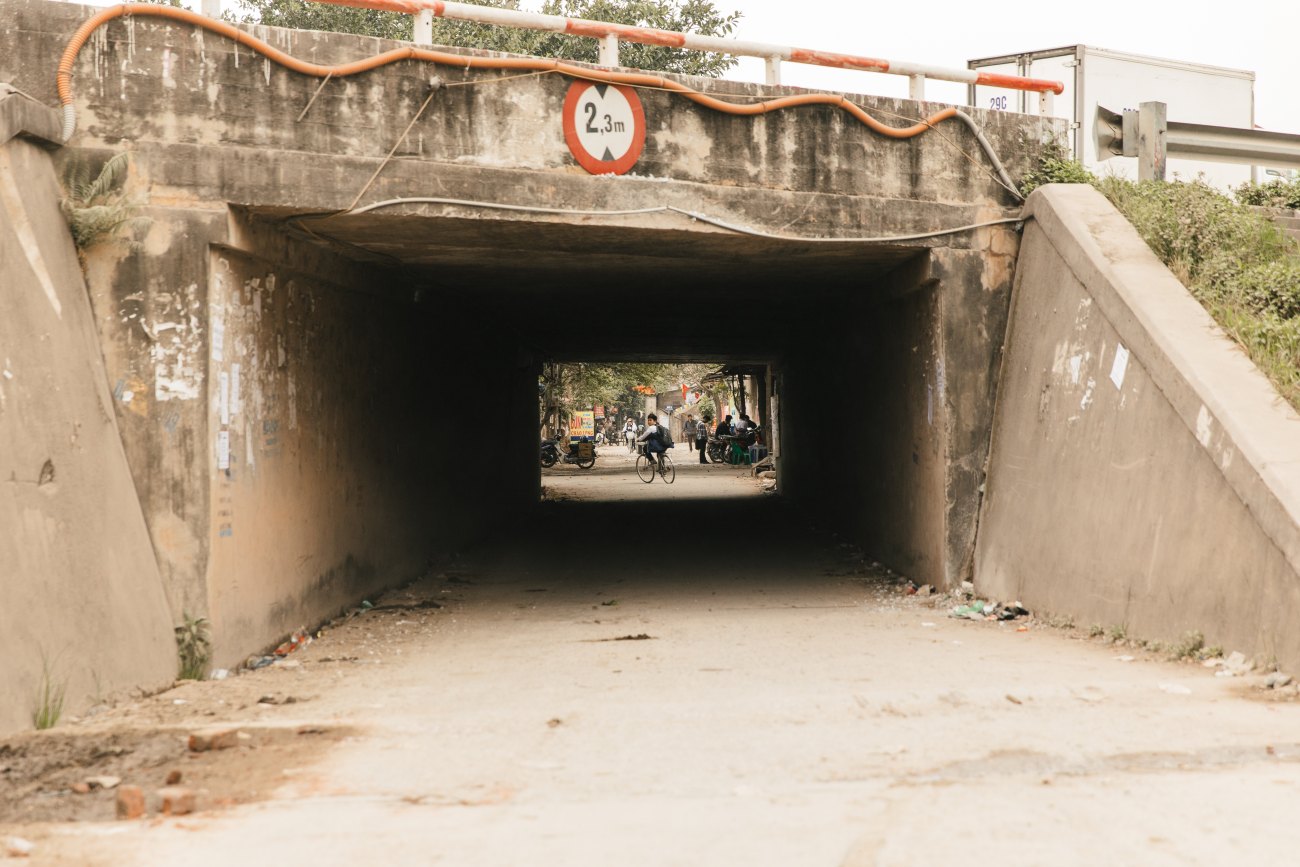
In 2017, UN-Habitat collaborated to apply Block by Block methodology to Plan International’s Safer Cities for Girls Programme. They began a workshop in Hanoi with fifty girls by conducting safety walks and audits in their neighborhood, the Kim Chung commune. This enabled the girls to map where they felt unsafe by focusing on the physical conditions, space usage, mobility, transportation and services available in the commune. As a result, the girls identified an overpass they walked beneath each day to get to and from school as unsafe and began the process of redesigning the space with Minecraft technology to increase levels of both perceived and actual safety.
When the girls presented their final designs to local officials for implementation, they said that using Minecraft technology to create 3D models made them much more comfortable sharing their ideas.
“I think Minecraft is a creative tool to empower girls like us,” one participant said. “Through Minecraft, our opinions are taken into consideration. And more importantly, we feel much more confident sharing our ideas with adults.”
As a result, many of the girls’ recommendations quickly became reality. Another workshop participant elaborates, “Three months after the sharing workshop, three underpasses in our community were redecorated with pictures drawn by ourselves, the wall is no longer dirty, and the light is on after six pm every day. We feel so proud because we are a part of such change.”
UN-Habitat’s Block by Block and technology workshops have taken place around the world with equally transformative results. Girls and boys in Delhi undertook safety walks which resulted in the prioritization of street lighting for increased community safety.
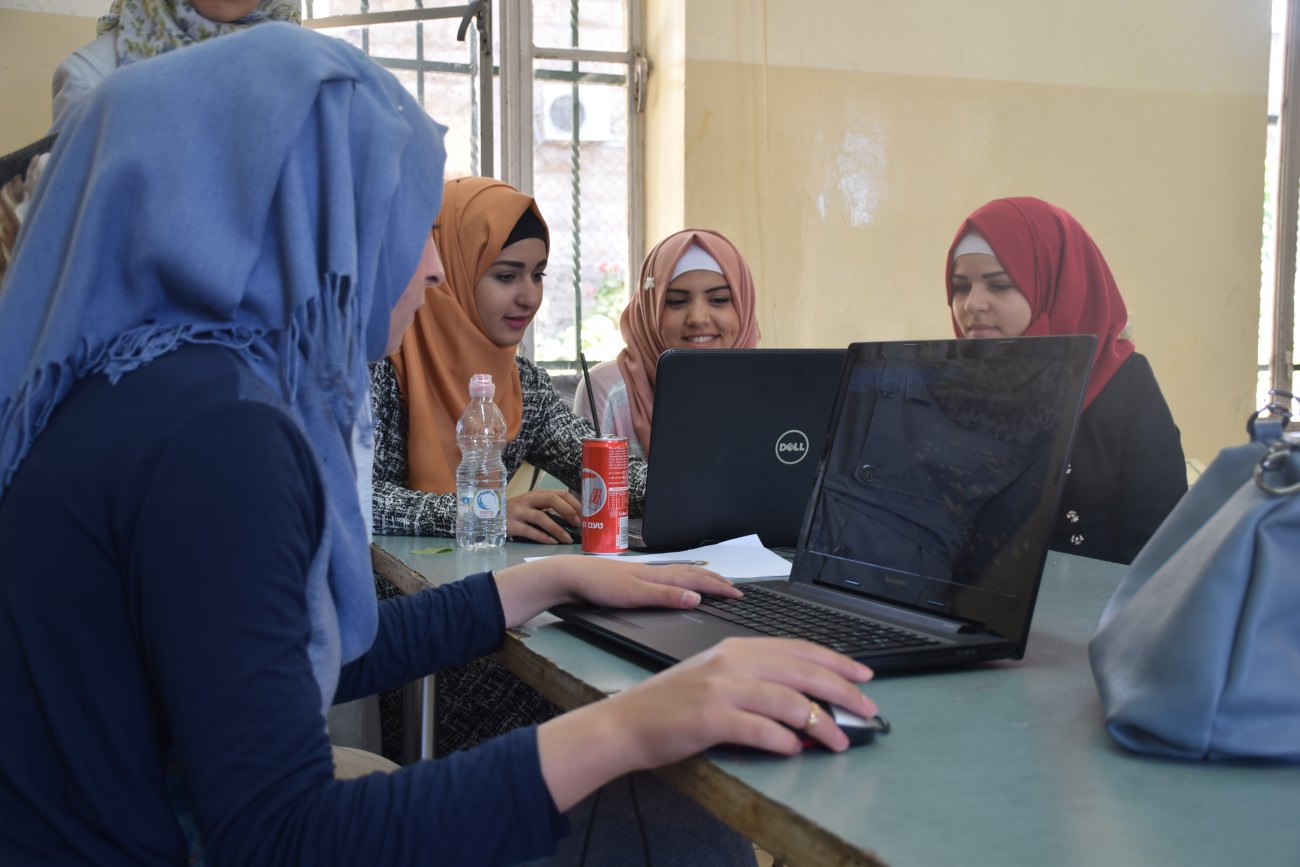
In the Gaza Strip, Palestinian workshop participants had the opportunity to use digital tools for community engagement, allowing for the incorporation of women and girls’ ideas in reconstructing key public spaces in Gaza that have since benefited around 100,000 people.
Also, in Palestine, UN-Habitat contributed to the HAYA Joint Programme, which seeks to eliminate violence against women in the West Bank and Gaza Strip. UN Habitat supported HAYA in part by promoting high-quality shelters that deliver services for Palestinian women and girls at risk. Since 2019, UN-Habitat has also undertaken a city-wide public space assessment and women’s safety walks in five municipalities in the West Bank and Gaza Strip to assess women’s experiences and challenges in accessing and using public spaces.
In Sweden, UN-Habitat has worked with think tank Global Utmaning to initiate the #UrbanGirlsMovement, which aims to collect and map global good practices demonstrating how participatory feminist urban development can improve living conditions in society as a whole.
As with so many other fields, the voices of women and girls must be heard in urban planning and design. Not just for the sake of gender parity as a concept, but because the current effects of inequitable planning impact the lives of billions of women and girls and hinder sustainable development in cities and towns worldwide.