Breakfast at the local bakery. Metalworking jobs. Taking food to his son at the pet shop. A chat with a friend who runs a mechanic workshop. Church in the evening.
At 52, Luiz Claudio Pereira da Conceição has a busy life in Vila do João, a community in Complexo da Maré, Rio de Janeiro. He has lived in the same house since he was a child, building a life around the neighbourhood and the people in it. Today, he shares the home with his 24-year-old son, Vinicius.
For Luiz Claudio, home is where that life comes together. But for years, parts of his house made everyday tasks harder than they needed to be.
When he was one year old, he contracted polio, which left him with a leg disability. His bathroom was difficult to navigate safely, while the kitchen and utility area lacked flooring and painted walls.
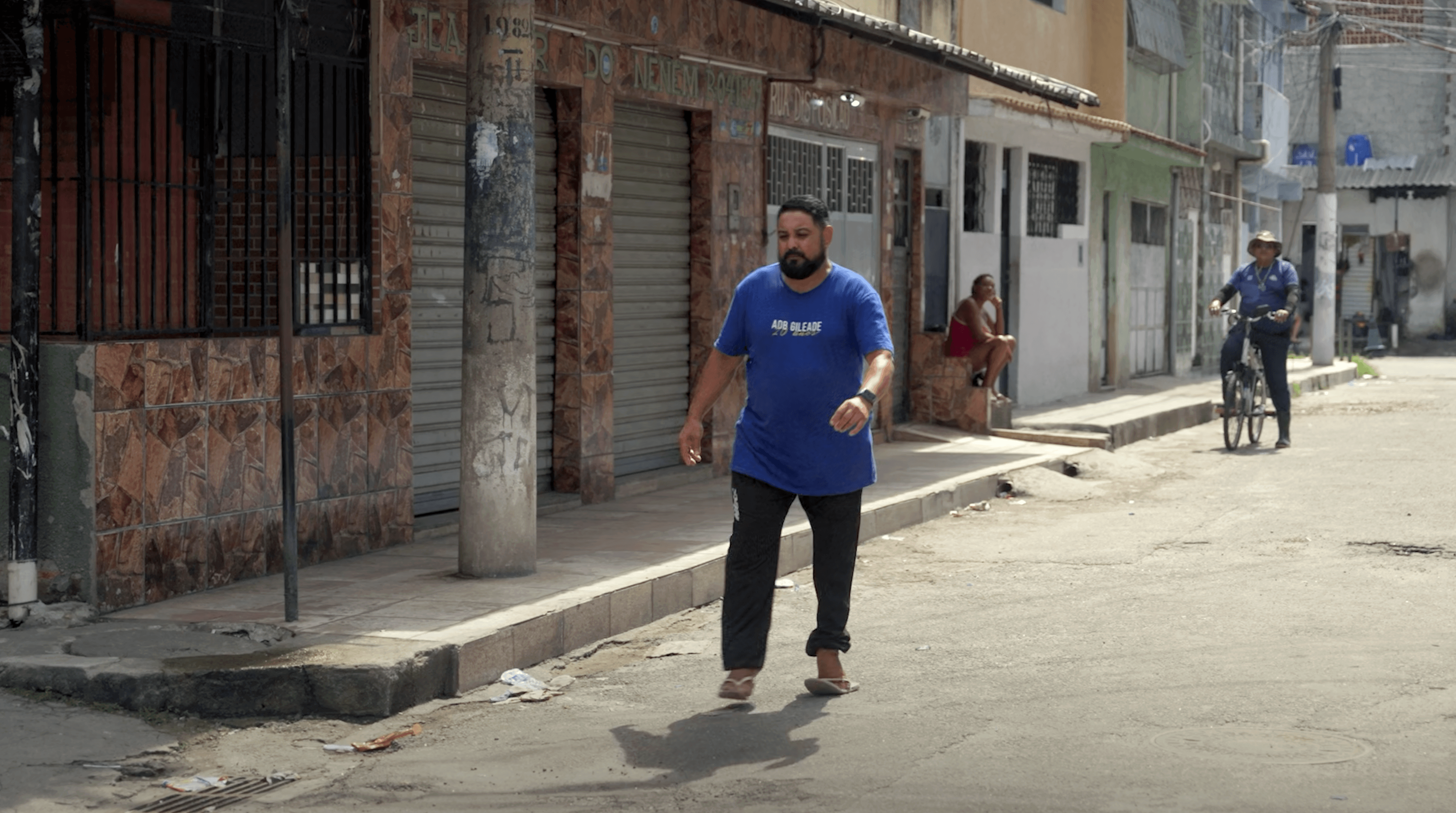
Vila do João, part of Complexo da Maré in Rio de Janeiro, has been home to Luiz Claudio Pereira da Conceição for more than 40 years. Here, his daily life is closely connected to the neighbourhood and the people who make it a community. © Jamie Kennerley
“My house is my comfort zone,” he says. “Before the renovation, my bathroom wasn’t accessible. In the utility area and the kitchen, there was no flooring or paint. There was nothing. It was really messy.”
In 2023, work began to make his home safer and more accessible. The bathroom was fitted with grab bars, flooring was laid in the bathroom and kitchen, the walls were repaired and painted, and the façade was improved.
The changes were practical, but their value is felt in the everyday details: moving around the bathroom with less worry, using the kitchen more comfortably, and seeing each part of the house looking cared for.
“Today, I feel very happy to be able to walk into my home and see my little house looking nice and organized. Every detail, every corner. I feel comfortable in every part of it – even in my bathroom, where I can go in without worrying about falling and hurting myself, because now there are grab bars that weren’t there before.”
For Luiz Claudio, these improvements mean more than a better-looking house. They have helped make the place where he lives safer and more suited to his needs, supporting his independence in a neighbourhood where he has deep roots.
Finding the households that need support
Luiz Claudio’s renovation followed an interview through the Social Territories Programme, an initiative led by UN-Habitat, the Municipality of Rio de Janeiro and the Pereira Passos Municipal Urban Planning Institute. The programme works to identify families facing vulnerability who may be missing out on public assistance and essential services.
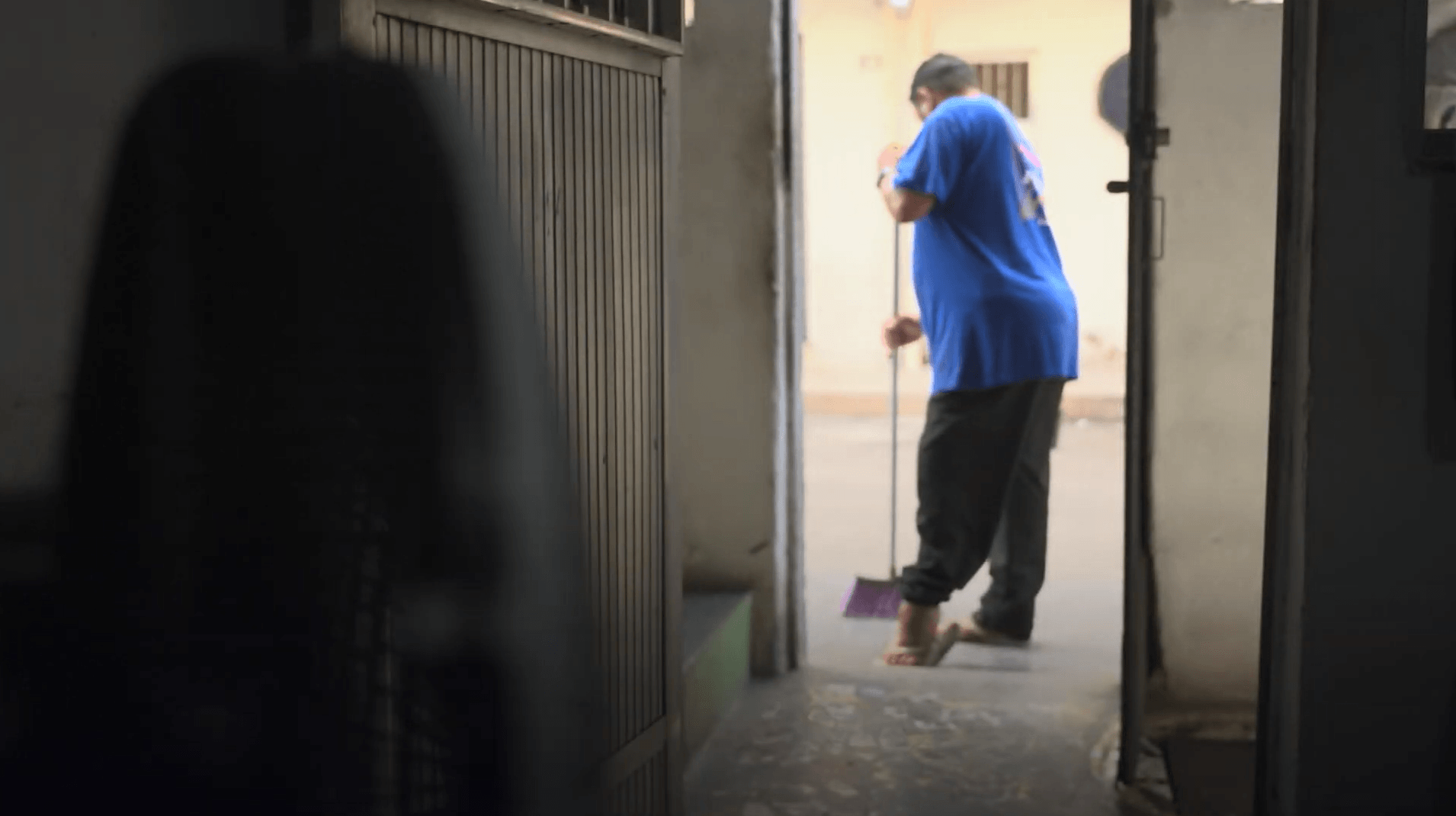
Like Luiz Claudio and his son, more than 63,000 families have been identified for monitoring and follow-up through the Social Territories programme, helping connect vulnerable households with services and social assistance. © Jamie Kennerley
In Rio de Janeiro’s favelas, access to support can be difficult for households that remain outside established social assistance networks. The programme reaches families directly, documents their needs and helps coordinate responses across public services.
Over nearly 10 years, it has interviewed more than 328,000 families, identifying over 63,000 for follow-up and public assistance.
The programme also helps identify households that could benefit from improvements through the municipality’s Casa Carioca Programme. More than 5,700 homes have benefited from improvements across at least six major favelas in Rio de Janeiro. Households that include persons with disabilities are prioritised, helping ensure that improvements respond to residents’ specific accessibility needs.
That connection matters. Identifying a household in need is one step; ensuring that the support reaches the home and addresses the problems residents face is another.
Making room for everyday life
Vila do João is part of Complexo da Maré, a predominantly flat area that challenges the familiar image of Rio de Janeiro’s favelas as communities built on steep hillsides. Established in the 1980s, Vila do João was built to accommodate families relocated from stilt houses in Baixa do Sapateiro. Around 2,600 housing units were constructed, and Luiz Claudio moved into the community just two years after its establishment.
Like many rapidly urbanizing neighbourhoods, areas such as Maré face challenges in ensuring that infrastructure, housing and public services meet residents’ needs. For people with disabilities, a home that is difficult to navigate can add another barrier to everyday life.
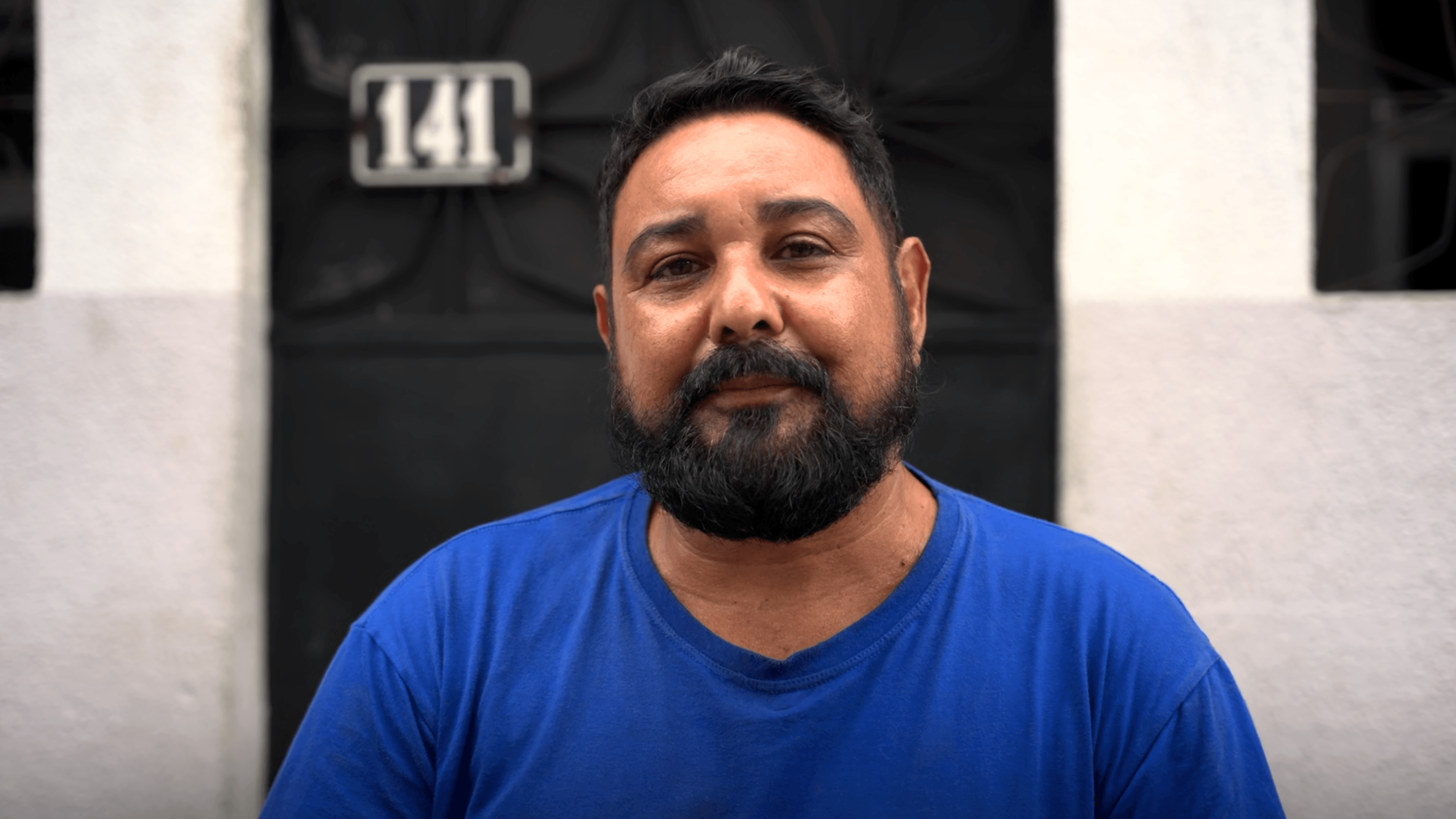
“My house is my comfort zone. It is perfect,” says Luiz Claudio. The care and attention invested by the team in every detail of the renovation reflect a commitment to making homes not only safer and more accessible, but also more welcoming for the people who live in them. © Jamie Kennerley
Accessibility is not simply a matter of getting through a doorway. It is also about being able to use a bathroom safely, prepare a meal comfortably and move around one’s own home with confidence. Small improvements can make a tangible difference to how a space works for the person living in it.
For Luiz Claudio, the renovation also carried a personal meaning beyond the physical changes.
“Everything was done with great care and love for me. My home is perfect. The workers left their own homes and families to give us their attention. That is truly meaningful. I feel nothing but gratitude for every professional involved,” he adds.
His hopes reach beyond his own home. “And that makes me believe in a better Brazil, with a better future for our children and young people, better healthcare, and better education.”
For now, the difference is visible in the home he returns to every day. A safer bathroom, finished floors and a more comfortable kitchen have made the familiar space easier to live in. The neighbourhood, the people and the daily routine remain his own. Home simply works better for him.
Cover photo: Grab bars in the bathroom, new flooring in the bathroom and kitchen, and repaired and painted walls have made Luiz Claudio’s home better suited to his needs. Practical improvements can make everyday activities safer and support greater independence at home. © Jamie Kennerley