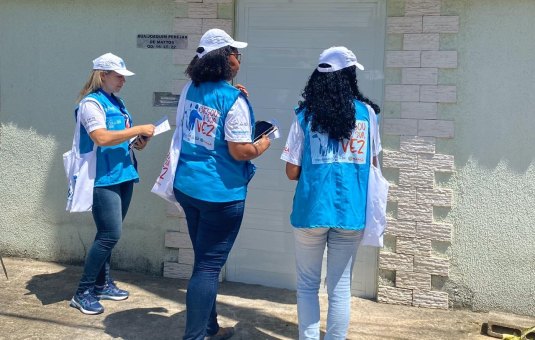
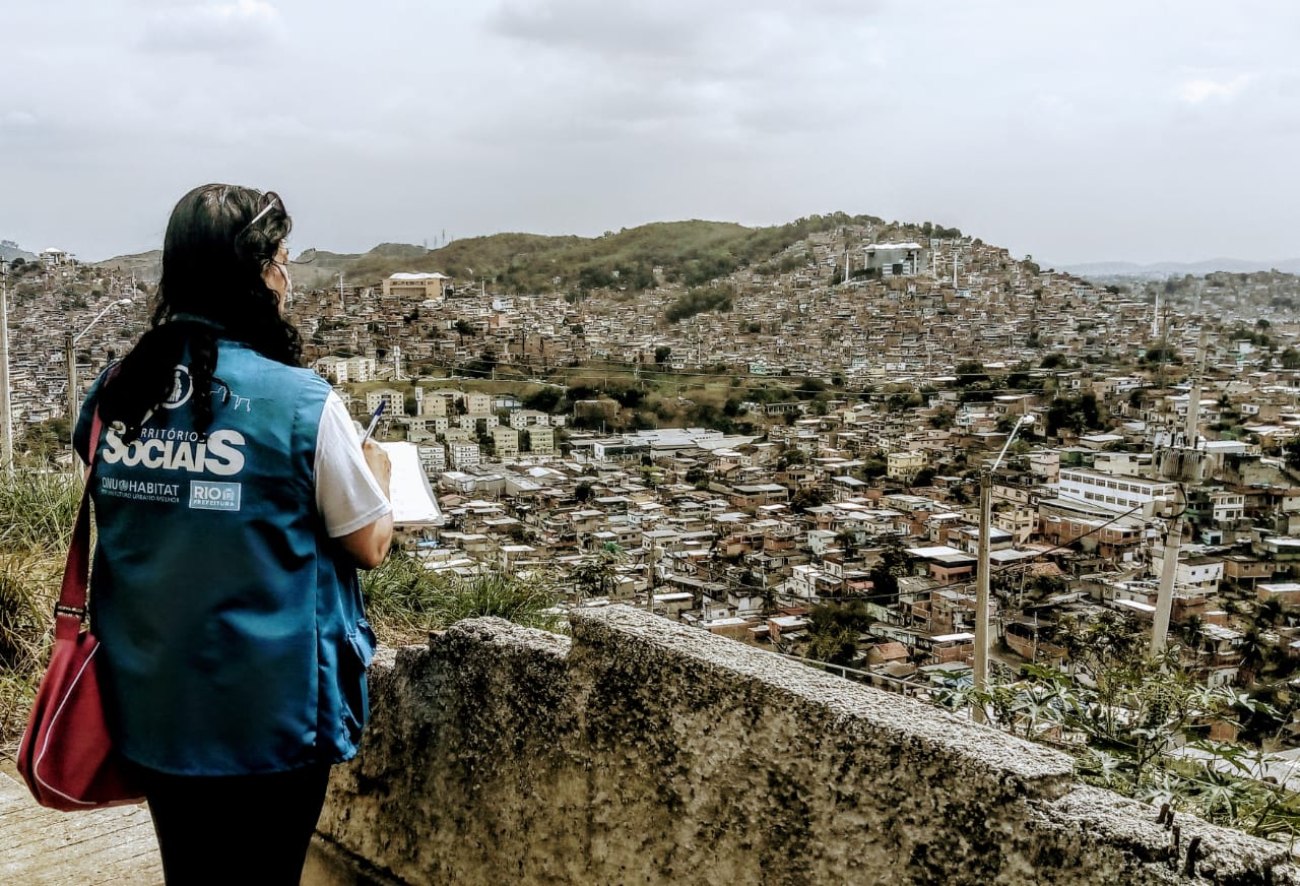
Meanwhile in the municipality of Maricá, State of Rio, the team has been providing fast, reliable information to support the city’s decision-making in responding to COVID-19.
Through its project Chegou a Sua Vez (“It’s Your Turn”) implemented with the city through the Darcy Ribeiro Institute, the team has identified older people with chronic diseases, small business owners, informal workers, and people with no access to basic income. A minimum wage has been paid to informal workers, and 31,000 basic food and hygiene baskets were distributed the families of students enrolled in the municipal public school system. This quality information and georeferenced data has helped local authorities identify those who might otherwise be left out of distribution channels.
UN-Habitat is also supporting the Government of Alagoas, the second poorest state in Brazil, to draw up quick responses to the pandemic in the slums of Maceió, the state capital. Several datasets were analysed and submitted to the local government, including maps indicating which informal settlements lacked adequate water supply and are home to the largest percentage of people over 60 years old.
UN-Habitat's Regional Representative for Latin America and the Caribbean, Elkin Velásquez said it was important that the data bases were a result of surveys and mappings managed by community members.
“The data plays a key role in helping the municipalities target the delivery of humanitarian assistance during the COVID-19 crisis to really make sure it reaches the right people,” he said.