Electric Mobility
Strong recommendations and implementation of the deployment of capacitive car fleets to complement public transport have greatly helped with reduced carbon emissions. Electric mobility is responsible for ensuring lower emissions are realized in the long-term with comparison to the use of conventional combustion engines.
Avoid -Shift – Improve Framework
Avoid: Travel distances to work can be significantly reduced by people moving closer to their areas of work. TDM strategies allow for the redistribution of transport demand. With this strategy in hand, vehicle traffic becomes limited and users who opt for energy, space, and resource-efficient modes get to benefit the most.
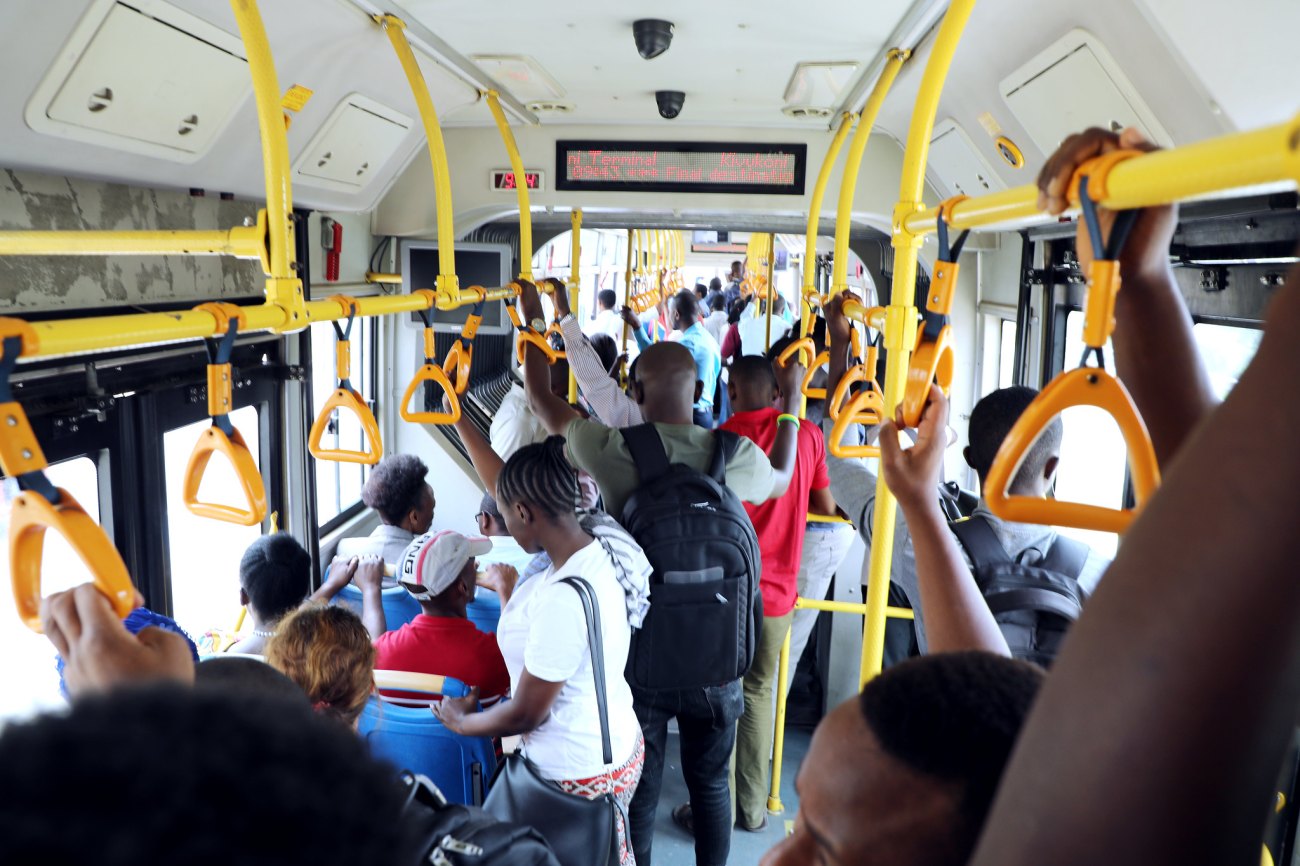
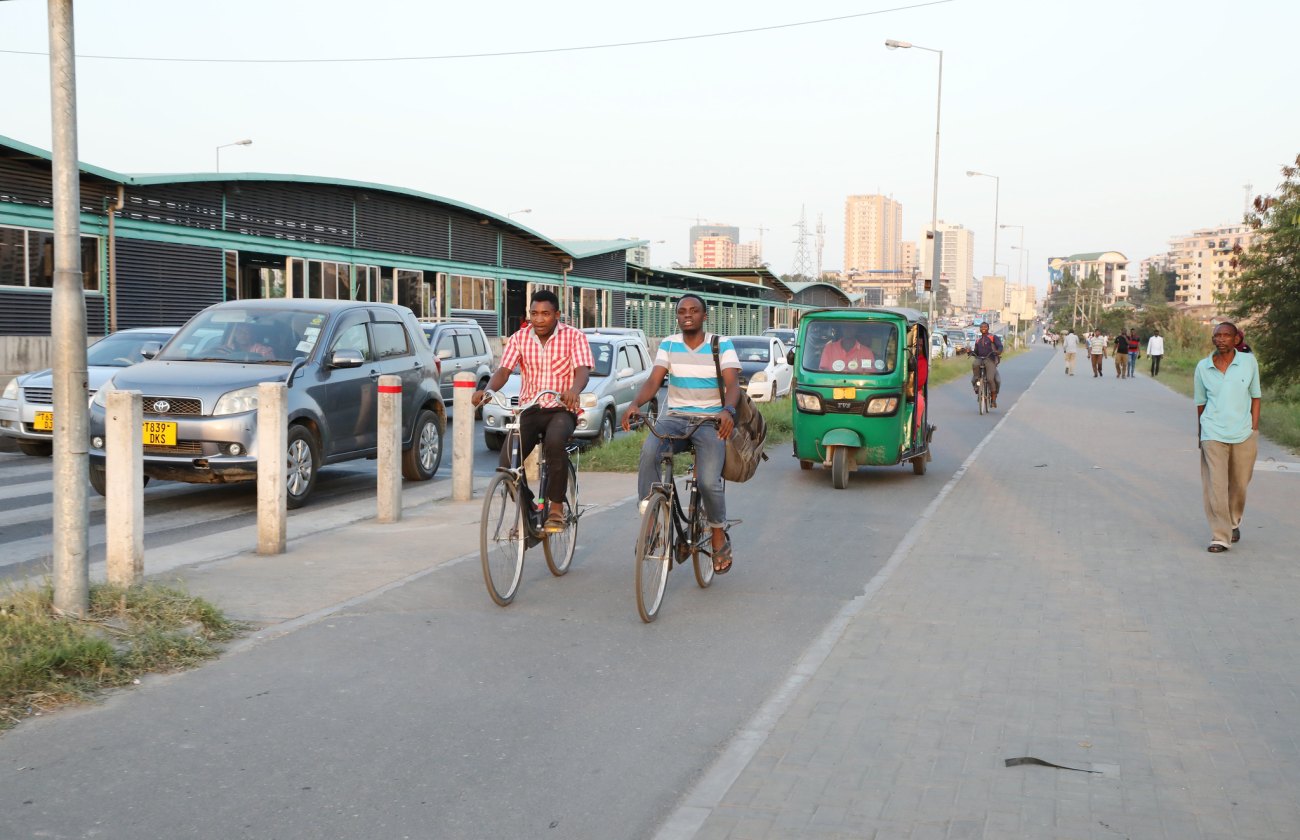
Shift: The shift is oriented towards low emission modes. With affordable, easily accessible and reliable means of public and mass transit available, there will be a reduced need for individuals driving cars and the use of resource-efficient means of transport. If people do indeed have to travel, the idea is to make sure the means of movement consume less energy and resources. Improved urban planning and design that enhances movement by non-motorized means is one such way to make a shift in transit.
Improve: Encouraging the use of electric mobility through tax exemption, for example, is one such way of ensuring that a shift in movement takes place. The use of alternative fuels as promoted in India’s Urban Green Mobility Scheme, for example, is one other way to improve urban mobility.
With cities working towards developing policies that support sustainable urban development while also encouraging the use of resource efficient and energy efficient modes of transit, zero carbon urban mobility will fast be on the rise.
Read the Declaration of Intent by United Nations Human Settlements Programme (UN-Habitat) to join Action towards Climate friendly Transport – ACT on the Decarbonisation of Transport and Strengthening of Sustainable Mobility