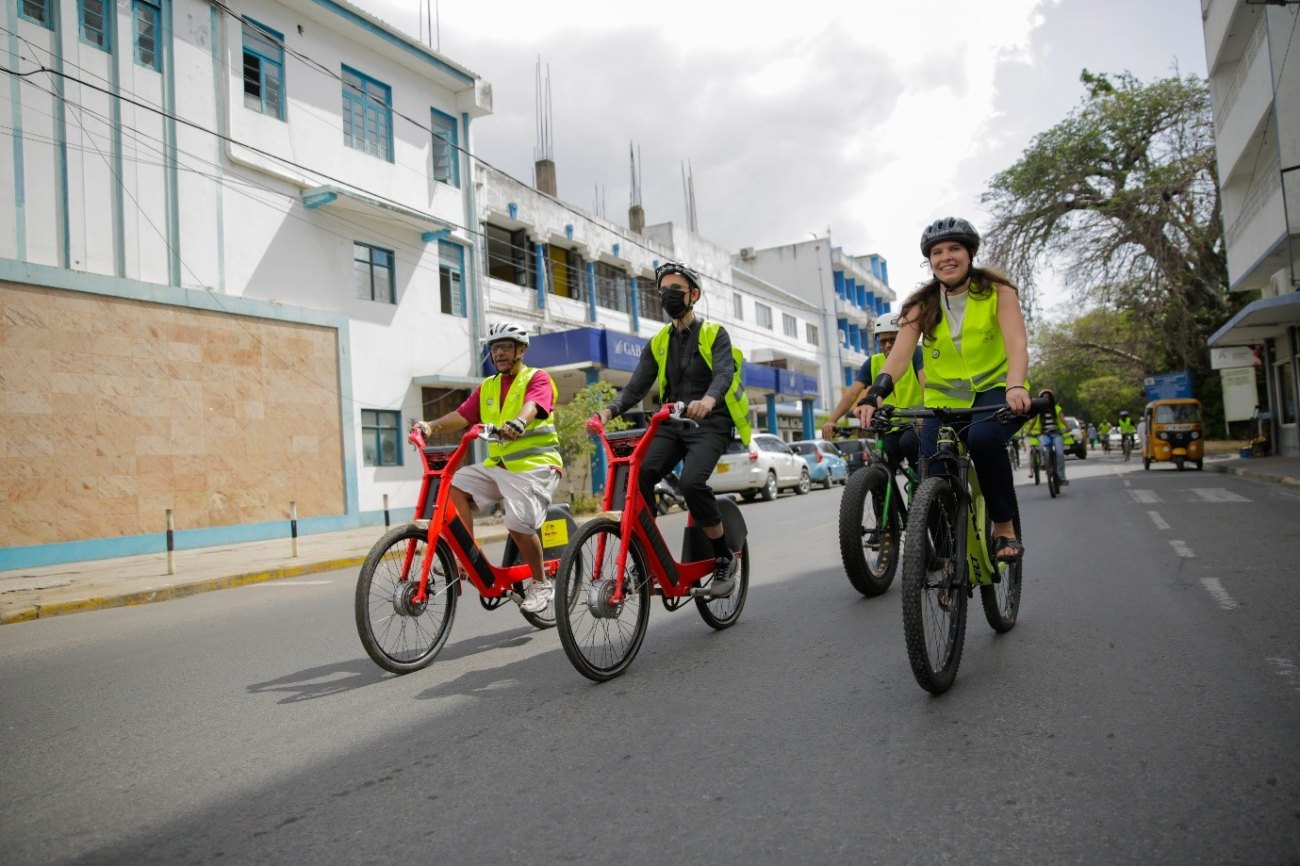
Nairobi, 23 March 2022 – UN-Habitat and partners continue to arrange bike rides in various Africa cities to inspire officials to recognise the importance of cycling and to promote it as an efficient and egalitarian mode of transport among politicians interested in contributing to socio-economic development.
Greater awareness and acceptance of cycling as a sustainable and pro-climate mode of transport by government officials in African cities is necessary to integrate cycling as an essential part of transport plans and investment decisions.
UN-Habitat advocates safer and more inclusive cities through promoting walking and cycling as attractive, sustainable and efficient forms of mobility and has enjoyed support from the International Climate Initiative’s Growing Smarter and Urban Pathways projects, as well as the Reclaiming Streets Initiative backed by the United Nations Road Safety Fund. These projects support the transition and retention of low carbon mobility through the empowerment of those who are most vulnerable on urban streets.
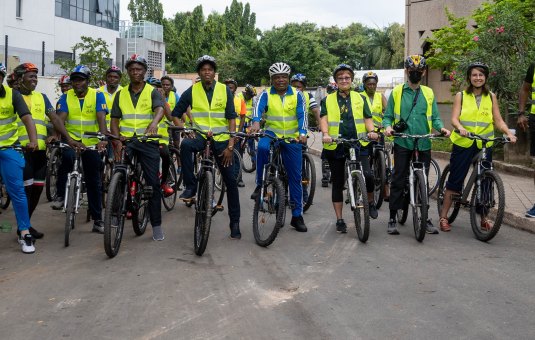
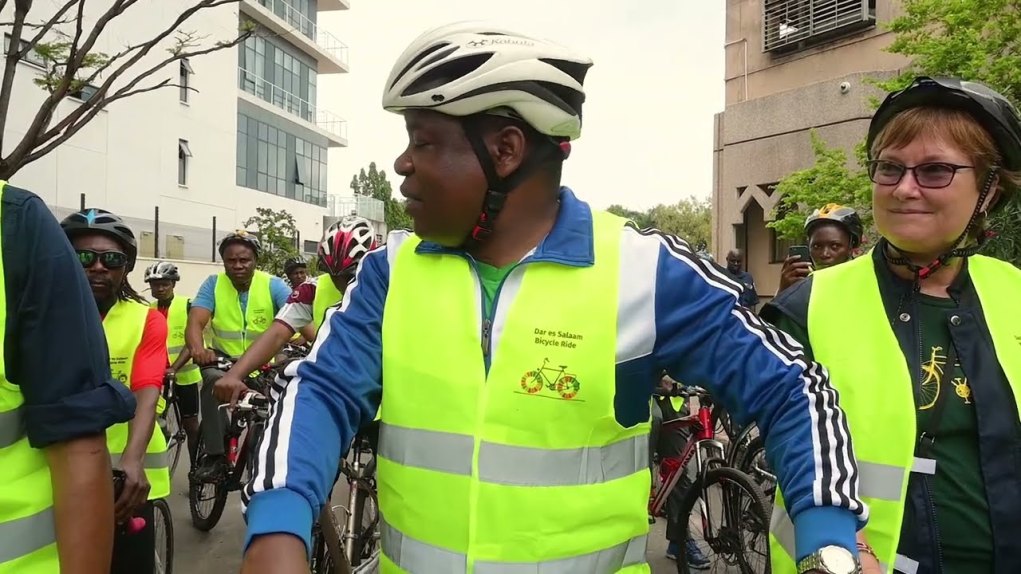
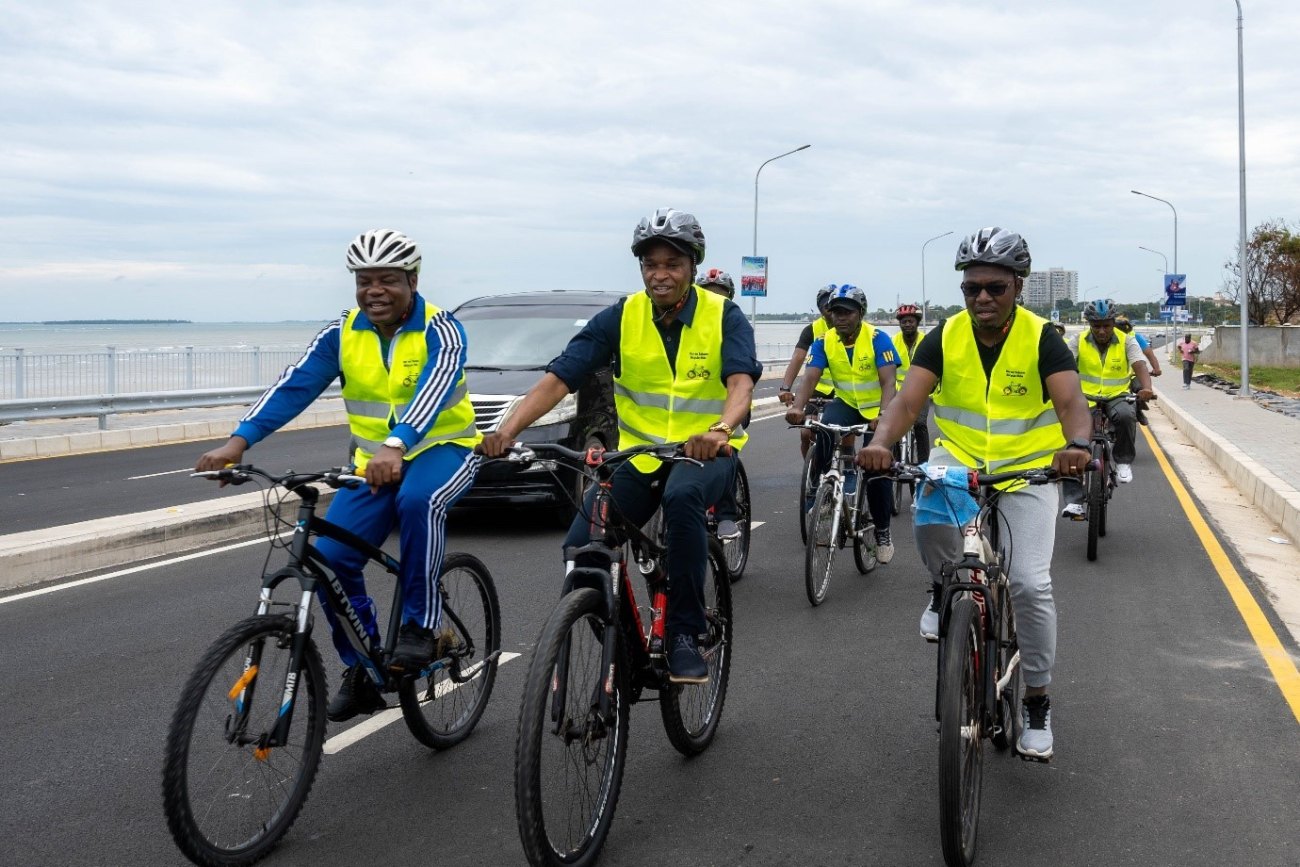
In February, a bike ride event in Tanzania’s Dar es Salaam became a platform for officials to experience cycling in the city and for local cyclists to meet the decision-makers.
Edwin Mhede, the Chief Executive Officer of the Dar es Salaam Bus Rapid Transit (DART) agency flagged off the event, which a number of city transportation offices including the Tanzania National Roads Agency (TANROADS) and the Land Transport Regulatory Authority (LATRA) participated in.
Mhede said local authorities are contemplating the development of a cycling policy that would align both with the need of vulnerable road users and the expanding DART systems. This would include implementing a continuous cycling network along the Bus Rapid Transit (BRT) corridor.
Cecilia Andersson, from the Urban Mobility team at UN-Habitat, and Dorica Amos Mogusi from the Institute for Transportation and Development Policy (ITDP), stressed the importance of addressing the needs of women and children in the bus network.
“It is time to think of inclusive infrastructure,” said Dorica. She echoed the importance of integrating universal access into the areas surrounding the BRTto address the needs of vulnerable groups and ensure that these spaces are walkable and safe.
Hassan Rugwa, the Regional Administrative Secretary of Dar es Salaam, committed to planning regular car-free days and encourage walking and cycling along specific routes in the city. Similar initiatives have been undertaken in Kisumu and Addis Ababa with the support of UN-Habitat.