Over the past five years, UN-Habitat and global communication technology company Ericsson have partnered to articulate an alternative to urban technology visions that focus the role of technology without understanding the human systems where it will operate. Instead of just optimizing technical infrastructure or enhancing productivity, UN-Habitat and Ericsson wanted to understand how digital technologies can contribute to a broader notion of urban prosperity.
This vision includes facilitating dialogue between different stakeholders, discerning the actual needs of residents, engaging overlooked groups in the discussion of urban regeneration and helping identify alternative paths of action. Ultimately, in this manifestation of urban prosperity, technology becomes an enabler to articulate a broader vision of sustainable development. The question then for them was: what type of technology can foster such a methodology?
The UN-Habitat and Ericsson team spent two years exploring the potential of various frontier technologies to best answer this question. In the end, they decided to specifically focus on the application of mixed reality. This technology, they found, not only offers the capacity for significant digital advancement in design, but also promises to transform public planning methodology by increasing public participation, which in turn can create more inclusive cities in contexts where particular groups, such as youth, women and those with disabilities often have limited or no say in the design of their cities.
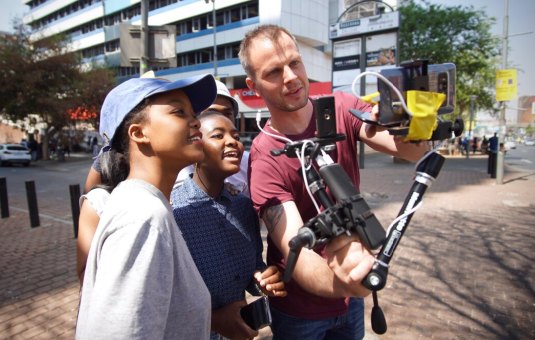
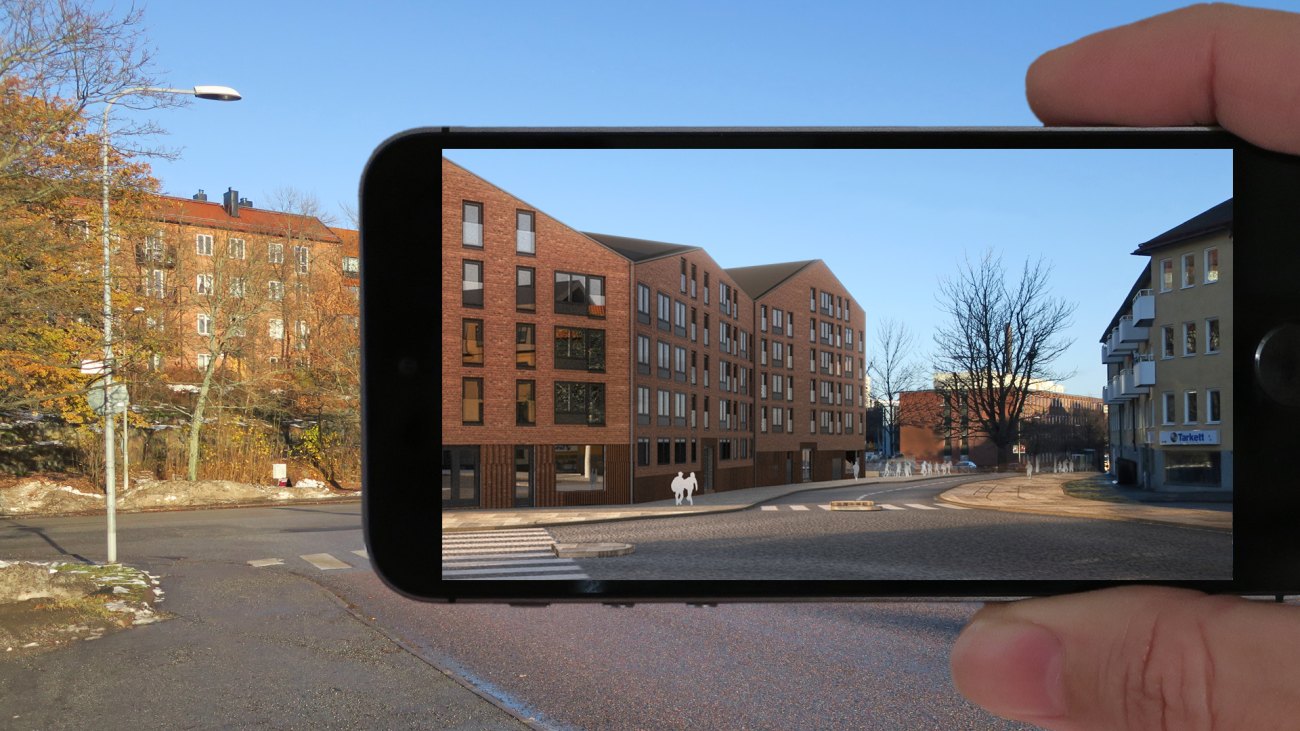
Mixed reality technology does this by combining forward-looking virtual reality with the physical built environment to show a different vision of the existing environment. This could mean looking through a mobile phone or a pair of glasses to see an architectural model or a public space as it would appear when built in its actual setting. The immersive experience of interacting with a planned built environment before it is constructed can provide an invaluable opportunity to evaluate, critique and improve design models before construction.
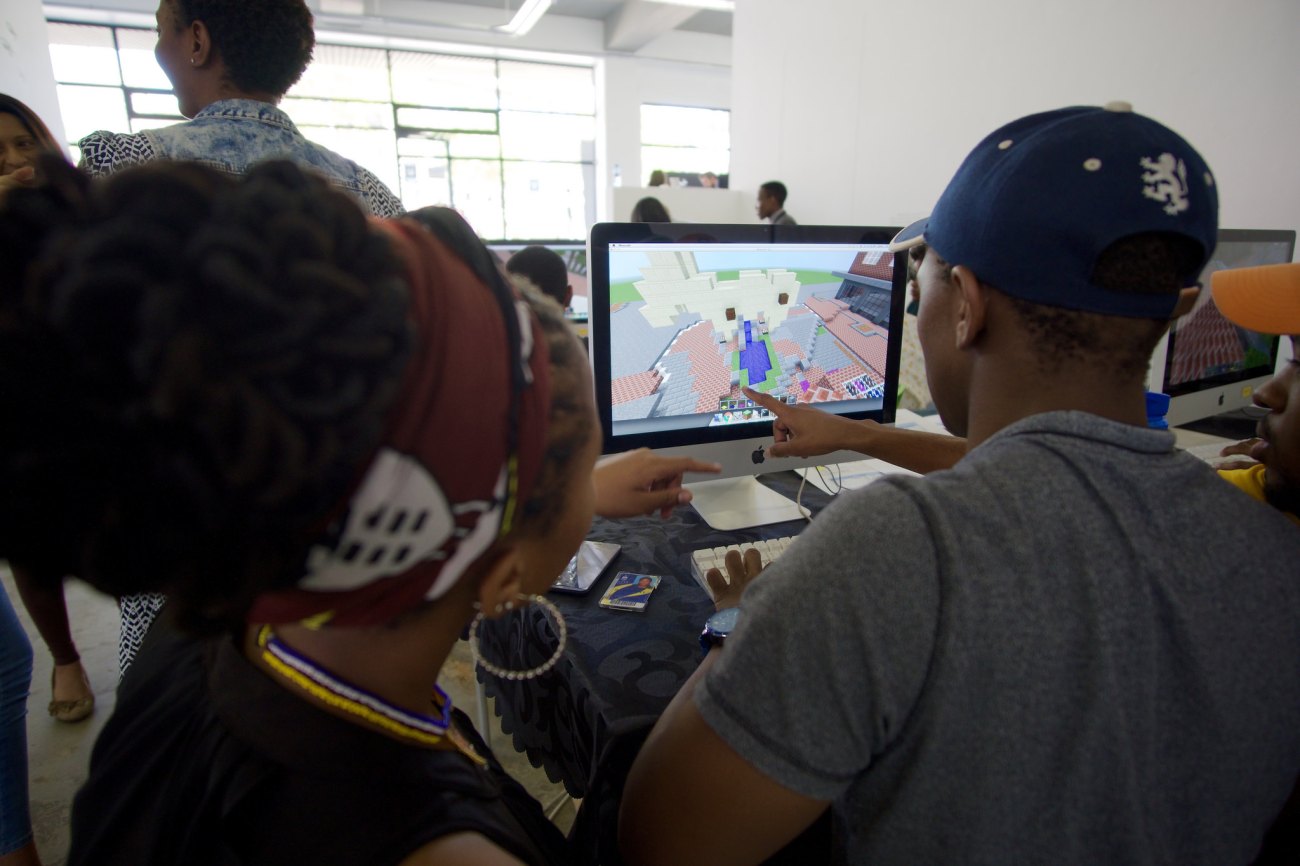
The team began developing the mixed reality technology in Stockholm, Sweden, and decided to combine mixed-reality concepts with UN-Habitat’s Block by Block Public Space projects, which use popular videogame Minecraft as a participation and co-creation tool in public space design and regeneration projects.
Through Minecraft, users can design and build virtual landscapes on their laptops, so by applying actual architectural models to the game, residents can essentially reimagine their neighborhood or city. Adding the mixed-reality technology presents the opportunity to then “physically imagine” what that proposed environment might look and even feel like.
"This level of interaction is going to change everything," says Damian Dugdale, an innovation consultant at Swedish digital design agency WDO, "how we live, communicate, and get from point A to point B."
Read more: Using mixed reality technology for inclusive and participatory planning- part two