Lack of adequate housing was identified which then led to the development of large housing project, which, due to its rental schemes, will also lead to increased, long-term increase in local revenue which can be used for further investments in the areas.
Mr Flynn also shortly introduced the recently launched “Settlement profiling tool[1]”, a joint tool developed by UN-Habitat and UNHCR, which will be presented in the Regional Economic Inclusion group in December.
“Reducing vulnerabilities of migrants, displaced and refugees residing in urban areas needs cross-sectoral coordination. Specifically in urban contexts, there needs to be an urban-system and integrated approach, to make sure that interventions benefit people in vulnerable situations communities from both host and refugee communities”, he said.
The second part of the session started with a presentation by AGORA, an initiative that promotes efficient, inclusive and integrated local planning, aid response and service delivery in areas affected by crisis. Ms Louise Thaller from AGORA introduced an urban assessment of Kampala, Uganda. AGORA advocates for multi-sector recovery needs and localizes response planning and aid delivery beyond sector specific approaches and stands up for technical support for local actors that lead to tangible results and foster collaboration between exogenous aid actors, local stakeholders and public authorities. The Kampala Urban Assessment (2018) showcased the relationships between needs, area of residence and displacement status – highlighting the interdependence of those factors and underlining that in many cases, not the legal status, but gender had more impact on vulnerability.
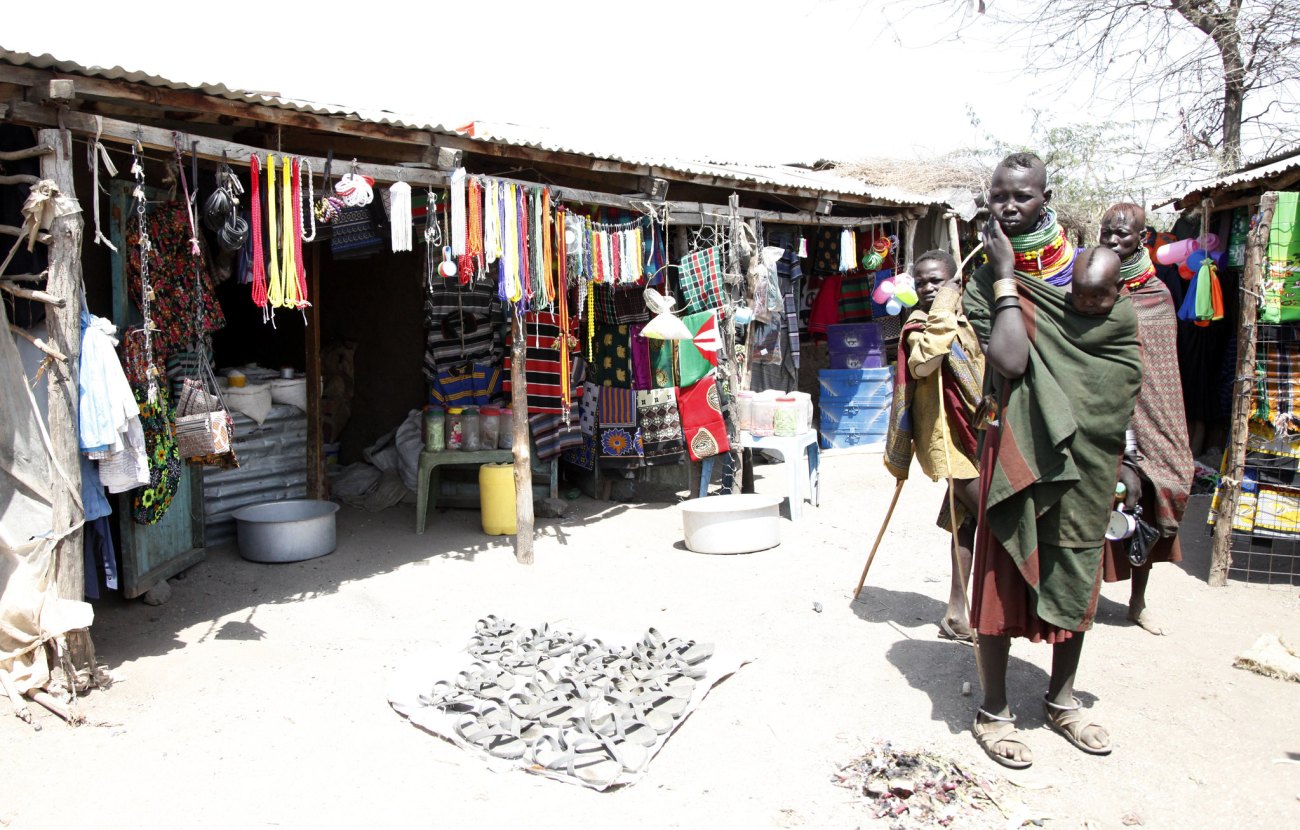
The session was concluded by a presentation on UNHCR’s initiatives for fostering market access for products produced by refugees, MADE51 and Bawa Hope. MADE51 is an innovative, market-based model that promotes economic inclusion of refugees in global value chains. In the MADE51 model, UNHCR identifies refugees with artisanal skills, helps refugees create strong artisan groups and connects these groups to experienced local social enterprise partners. MADE51 is also a tangible way to demonstrate solidarity with refugees while helping refugees earn valuable income while Bawa Hope is a Fair-Trade company which works with marginalized handicraft artisans in Kenya
The session brought together different approaches for fostering economic inclusion of migrants, refugees and displaced persons in urban areas, and highlighting that urban displacement needs tailored, multi-sectoral approaches that include local actors and respond to specific local contexts as well as creating enabling environments for refugees and displaced to become self-reliant and live dignified lives.