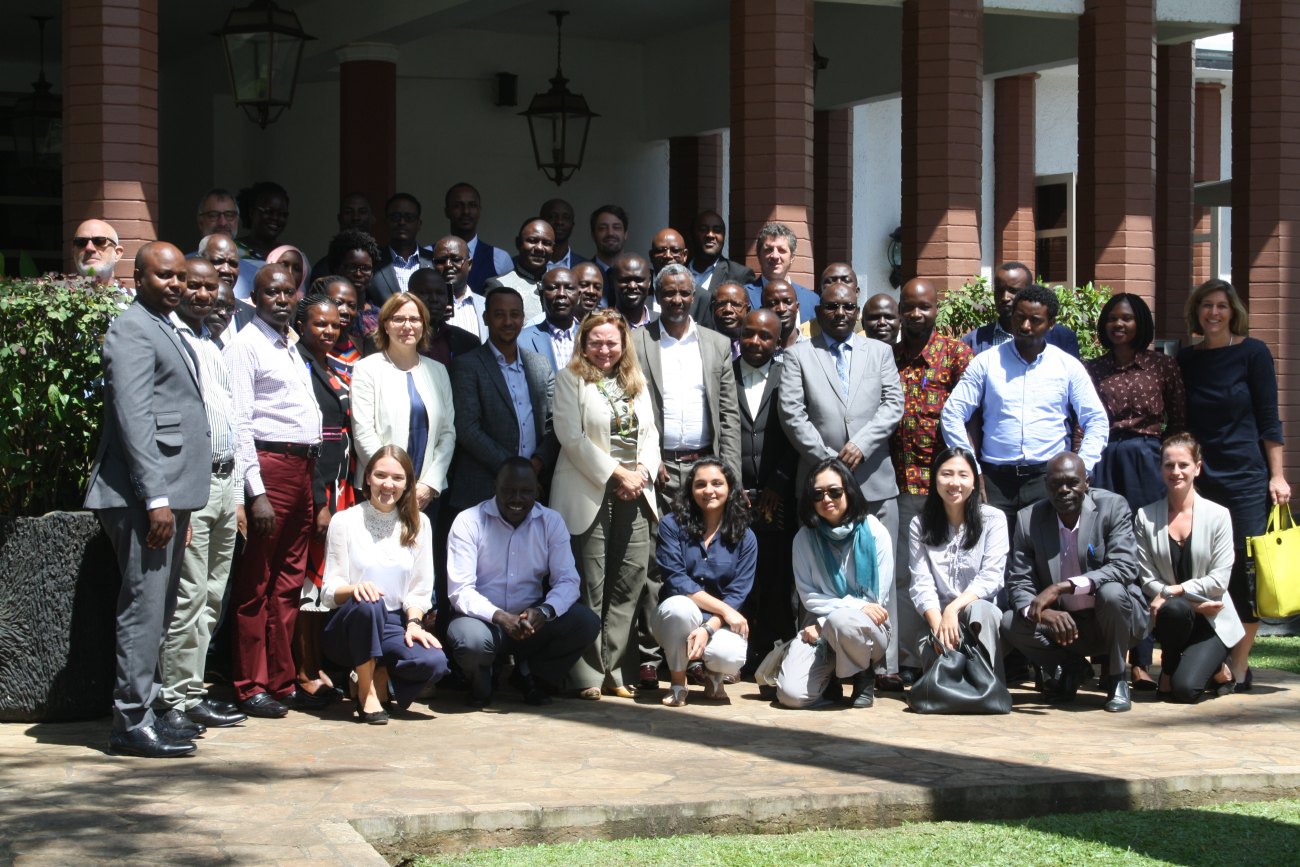
Entebbe, 6 November 2019 - In cooperation with the United Nations Conference on Trade and Development (UNCTAD), IOM and other partners, UN-Habitat recently hosted the first East African Regional Dialogue on Migration and Development in Refugee Hosting Cities from 22nd to 23rd of October in Entebbe, Uganda.
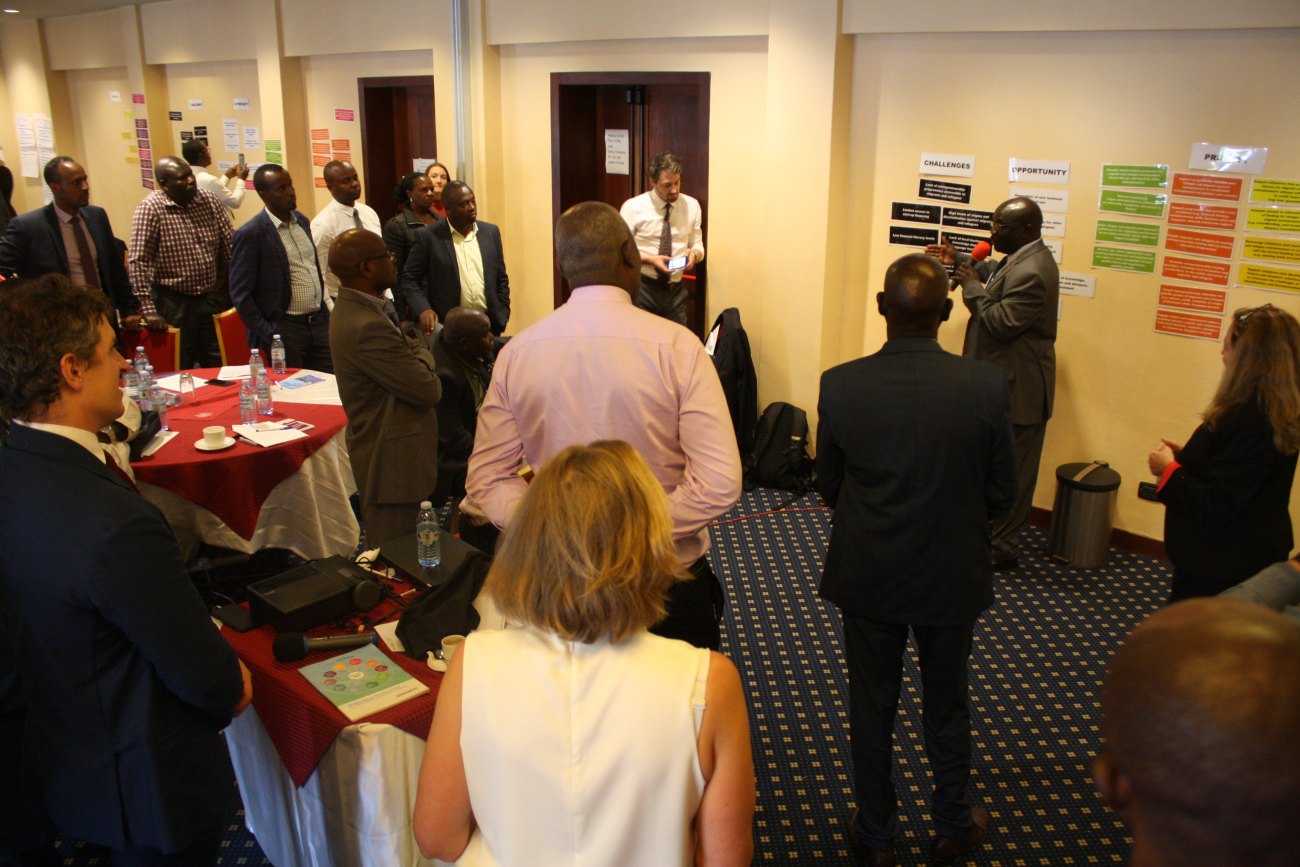
The two-day dialogue provided a platform for exchange between a diverse group of participants, including local authorities, civil society, private sector and international organizations and development partners, to discuss challenges and best practices in responding to the rapid influx of populations into their respective urban areas.
Representing eight African countries comprising Uganda, Kenya, Ethiopia, South Sudan, Tanzania, Central African Republic, Ghana and Zambia, the participants not only dialogued across different sectors and levels of government, but they also developed concrete action points for their specific local contexts to harness economic and entrepreneurship opportunities arising from new or increased migrant populations.
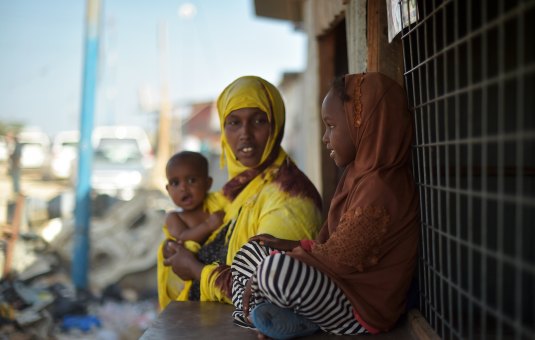
With global migration at an all-time high and East Africa being amongst the world’s most impacted regions due to protracted conflicts and climate change impacts, more and more migrants, IDPS, and refugees are moving to urban areas to find improved livelihood opportunities, safety and services. However, rapid and unplanned population movements along with inadequate funding challenge local authorities who are responsible for providing services such as education, health, infrastructure and housing to migrants and permanent residents alike.
To address the tensions that result from these population permutations and discrepancies in resource allocation, dialogue organizers and participants placed a strong focus on discussing ways to improve social cohesion between migrants and host communities and increase access to services for all.
Recent global frameworks such as the New Urban Agenda (NUA), the Global Compact for Safe, Orderly and Regular Migration (GCM), and the Global Compact for Refugees (GCR) acknowledge the role of local authorities and call on Member States to “support local authorities in establishing frameworks that enable the positive contribution of migrants to cities.” To better equip local authorities in responding to increased populations in their municipalities due to migration, UN-Habitat has promoted a greater emphasis on the importance of cross-sector, multi-stakeholder and multi-level governance approaches.
During the dialogue, UN-Habitat provided inputs on how to plan, govern and finance sustainable urban growth that will develop inclusive and welcoming cities. UNCTAD shared best practices for increasing entrepreneurship opportunities that can facilitate livelihood generation for both migrant and host communities. Panel discussions and thematic working groups strengthened the exchange between national and local authorities, as well as between civil society and partners supporting local economic development and entrepreneurship.