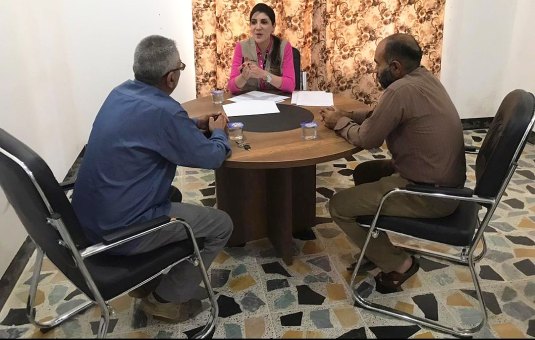
Due to forced displacement, damage and destruction of housing and unlawful seizure of property under the ISIL occupation, property disputes are a common issue in conflict-affected areas in Iraq. Many returnees are now missing property records and documentation which was either lost during the conflict or even deliberately destroyed. Proving ownership rights over housing and land has been a big challenge for the land owners, while the authorities in Ninewa also face difficulties to restore the damaged or missing ownership documentation without property records. Under this scenario, solving property disputes has proven challenging both through private and official channels. Mediation as an innovative method to resolve property disputes between private parties, with the help of a trained mediator, helps preserve amicable relations and build peace and dialogue between communities, and furthermore it also contributes to the sustainable return of IDPs.
“Mediation is still a new concept in Iraq but it is proving to be effective,” says Suzan who worked on 17 cases so far, out of which 15 were successfully solved by signing a written agreement between conflicting parties.
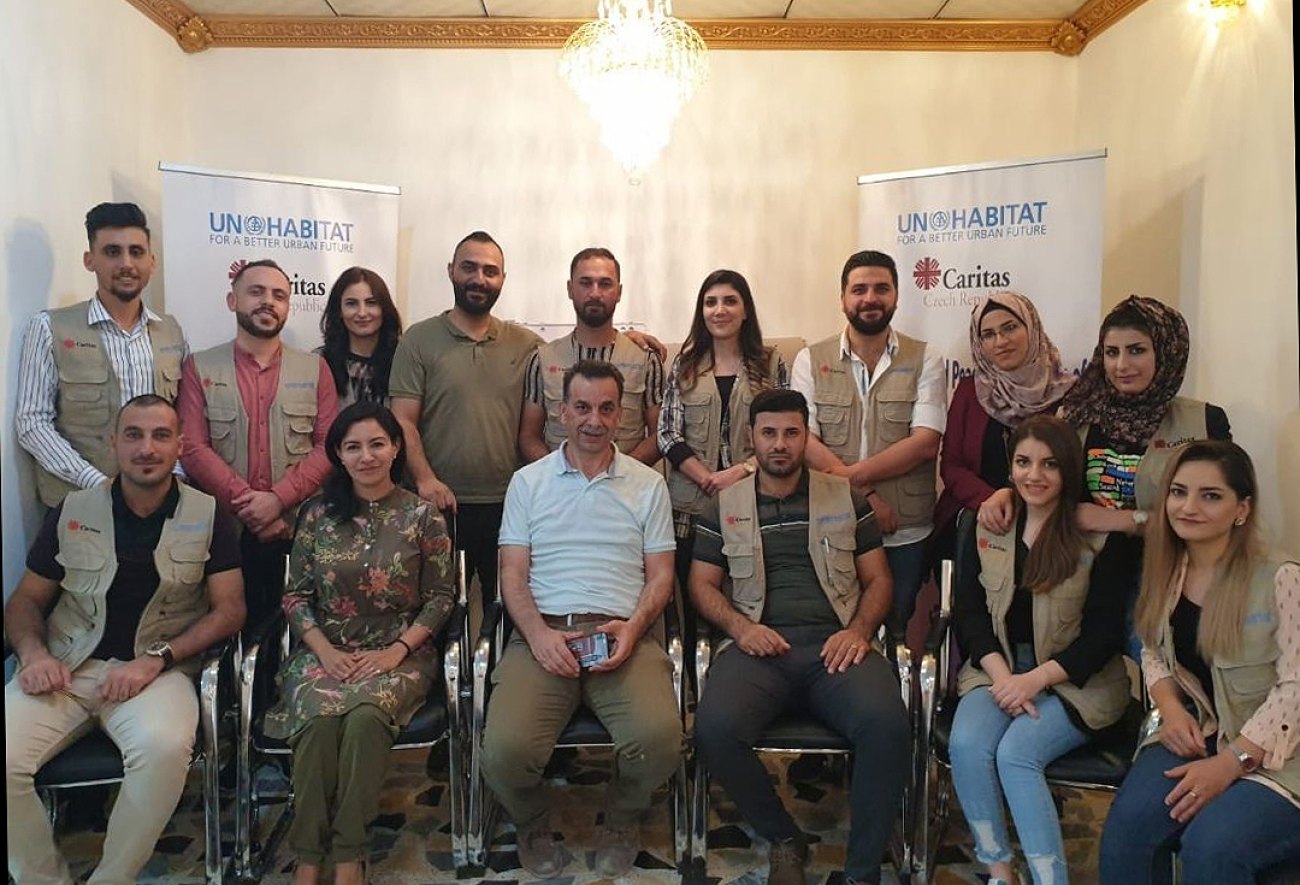
Other Community Mediators had a similar success. In total, all 14 mediators solved successfully 286 out of 343 received cases during the project.
However, these efforts have not been without challenges. Suzan’s first mediation case, and so far the most challenging one as she says, was in Bartella, a small city east of Mosul. The dispute over land between two friends escalated and required involvement of a third party.
“I was very concerned because it was my first mediation session and it was in a community that’s different from mine. Luckily, I wasn’t alone, my colleague Falah was with me, who helped me overcome the anxiety.”
Being young, a female and also born as a Christian in a culturally very diverse environment, Suzan faced numerous challenges in approaching her new role. Conservative norms, and particularly socially accepted gender roles, were an important factor for the new mediators to take into consideration.
“Being a female especially made it difficult to change the community’s perspective and accept me as a Mediator.”