Sustainable development and affordable housing are some of the biggest challenges facing national and local governments, particularly in emerging economies.
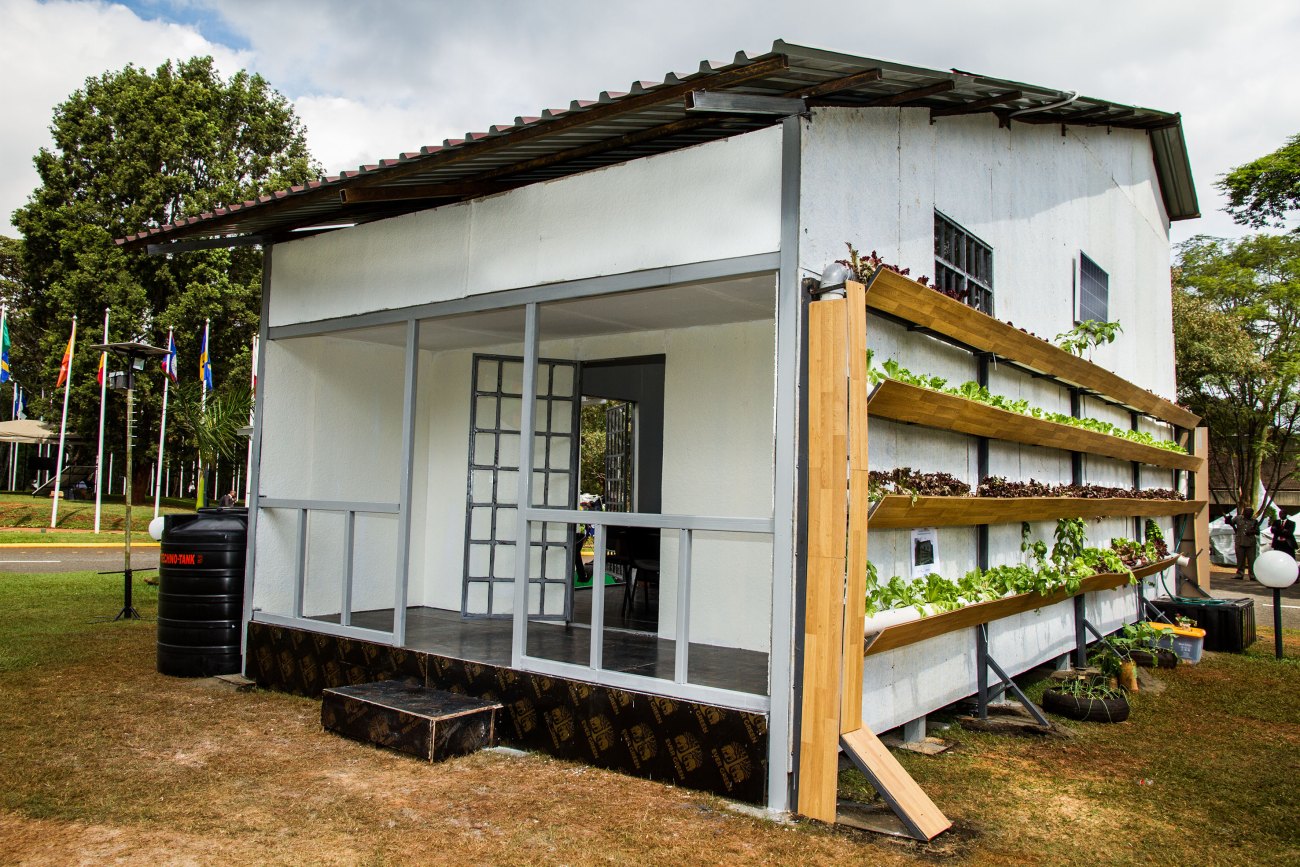
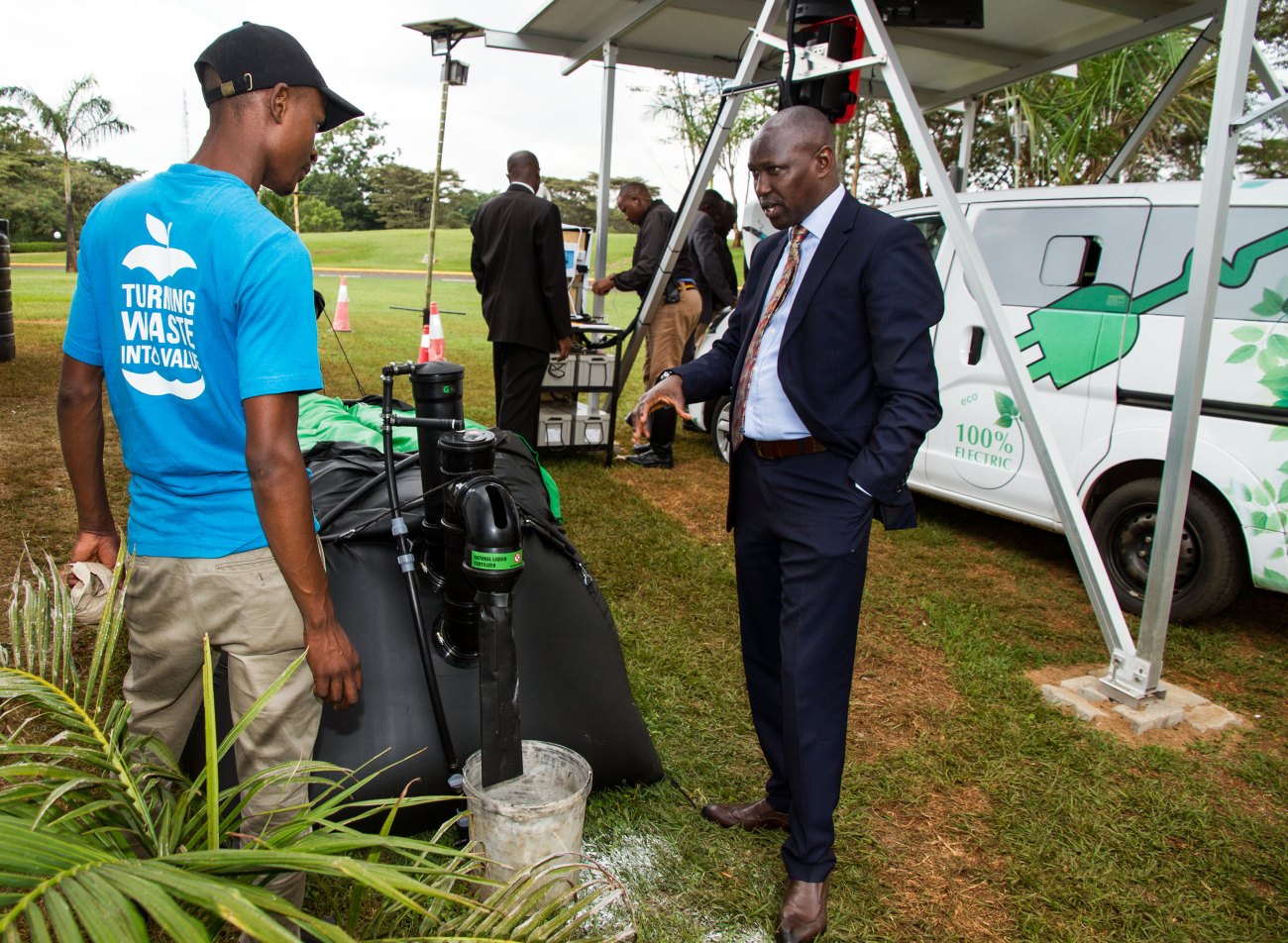
This is where UN-Habitat’s Sustainable Living Unit in the Tropics comes in. Dubbed the “UN-Habitat Tiny House”, it approaches the challenges of sustainable and affordable construction by combining the traditional principles of passive environmental design with technological innovations in waste management, renewable energy and water conservation.
The compact design has a small footprint on the ground, lowering land demand, yet it maintains a spacious feel because of innovative, space-saving techniques.
Low cost homes are important:
Around the world one billion people - one in eight people - live in informal settlements. Despite great progress, including a decrease in slum population from 39% to 30% between 2010 and 2014, slums remain a critical factor in the persistence of poverty and exclusion from access to equal opportunities.
Environmentally sustainable homes are crucial:
The built environment is also a significant contributor to environmental degradation. In 2010 the worldwide building sector was responsible for 24% of the total Green House Gas (GHG) emissions from fossil fuel combustion - second only to the industrial sector. If the embodied energy of construction materials is factored in, that figure increases and the building sector is the prime GHG emitter.
These challenges significant to the African context. Most modern buildings in tropical African cities are powered by fossil fuel, because they tend to be replicas of building designs from northern countries which have cooler temperate climates. Buildings in Africa are estimated to use 56% of the total electricity consumed by the continent.