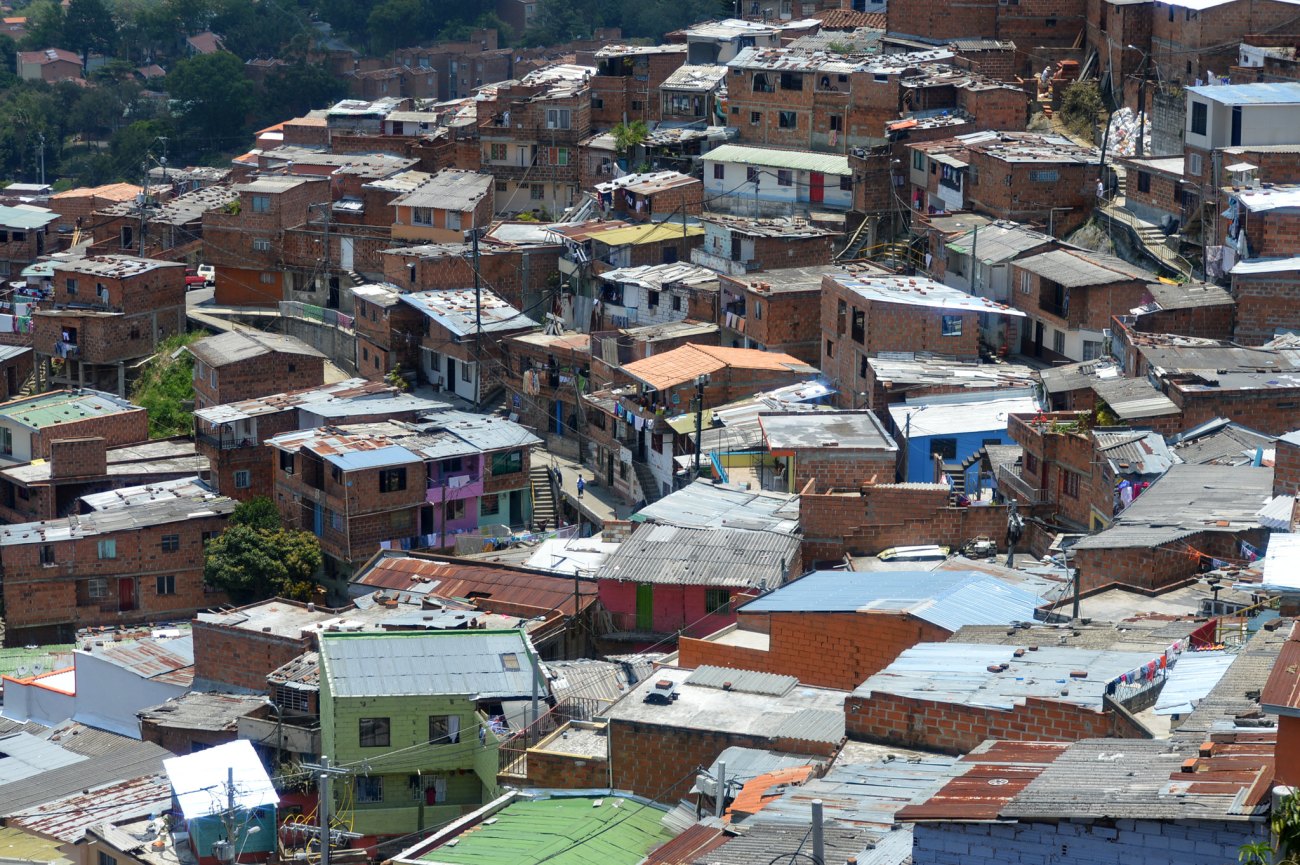
There have been a number of international success stories on the adoption of sustainable building practices. In Australia, low carbon buildings have been shown to produce 62 percent fewer greenhouse gas emissions than average Australian buildings. In India, sustainable buildings certified by the Indian Green Building Council have resulted in energy savings of 40 to 50 percent and water savings of 20 to 30 percent compared to conventional buildings in the country. Similar achievements have been witnessed in South Africa, where low carbon buildings achieving the Green Star certification have been shown to save on average between 30 to 40 percent energy and carbon emissions annually compared to the industry norm. New construction in the housing sector offers a great opportunity for change in current building practices.
UN-Habitat, through the Housing Unit, developed the app Sherpa: a personal guide to sustainable housing. It assists people involved in housing construction to self-asses the sustainability of housing projects through a user-friendly participatory application.
Sherpa responds to the Sustainable Development Goal (SDG) related to the housing sector. SDG11 has specific target’s such as 11.1 on adequate housing, and as well as public space, transportation, participation processes, and the environmental impact of the housing sector, gender mainstreaming, disaster risk reduction, even employment generation through housing design. You can find out more about this app here.
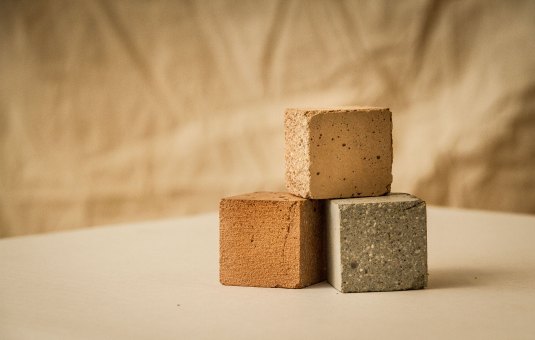
In line with curbing the progression of climate change within housing construction, UN-Habitat, through the Global Platform for Sustainable Housing is constantly engaged in the adaptation and promotion of alternative building materials. Born out of natural, plentiful and renewable components, these materials include limestone calcined clay cement, construction and demolition waste, fly ash, cement free concrete, and even waste from metal industry turned into blocks. Other innovations in materials for the housing sector are being achieved by materials made with bio waste, and materials made out of reinforced earth. The collective benefits of these materials are lower CO2 emissions, lower production energy, cost-effectiveness and zero-greenhouse gas emissions.
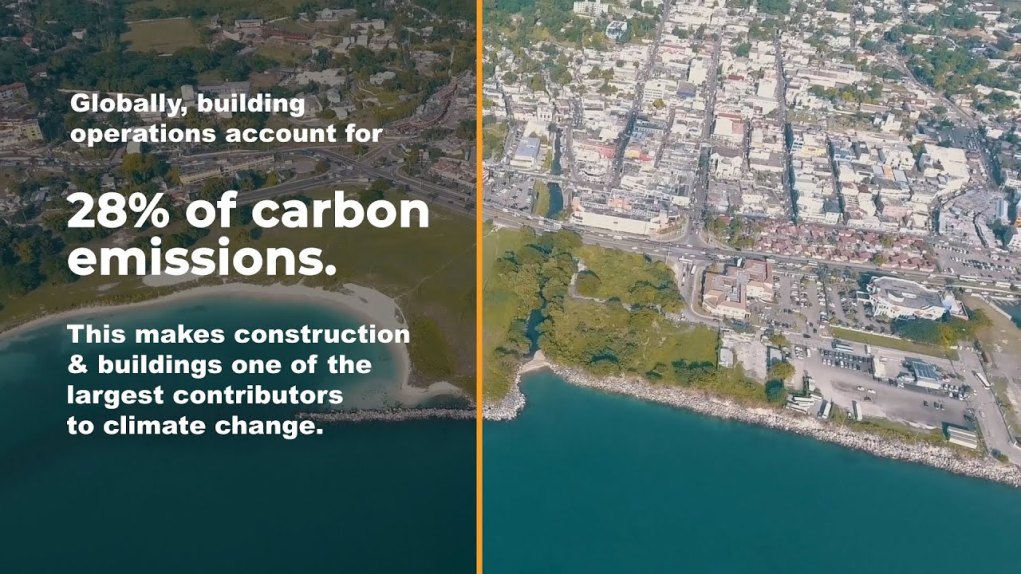
UN-Habitat is advocating for a paradigm shift and recognizes the improvements in the sustainability of the building materials and design of the household, as well as the introduction of environmentally friendly solutions for the operation and management of utilities. Such actions will have positive impacts in reducing carbon emissions from the housing and construction sector, as well as rendering the housing stock sustainable and more resilient to climate change.
UN-Habitat, through the housing unit wishes to thank the following partners:
Association La Voute Nubienne
Build Academy
Cambridge University
CraTerre ENSAG
Development Alternatives Group
Eco-Sur Network
École Polytechnique Fédérale de Lausanne
Federal Institute of Technology ETH Zurich, Chair of Sustainable Construction
Lighthouse Project, Department of Environmental Affairs, Value Added Industries Program - South Africa
One Planet Network, Sustainable Buildings and Constructions
Oxford Brookes University
Oxara Project, ETH Zurich
The Energy and Resource Institute
Techo Internacional
The Energy and Resource Institute
VTT Finland