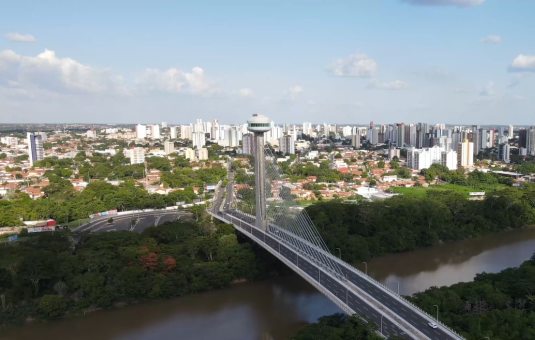
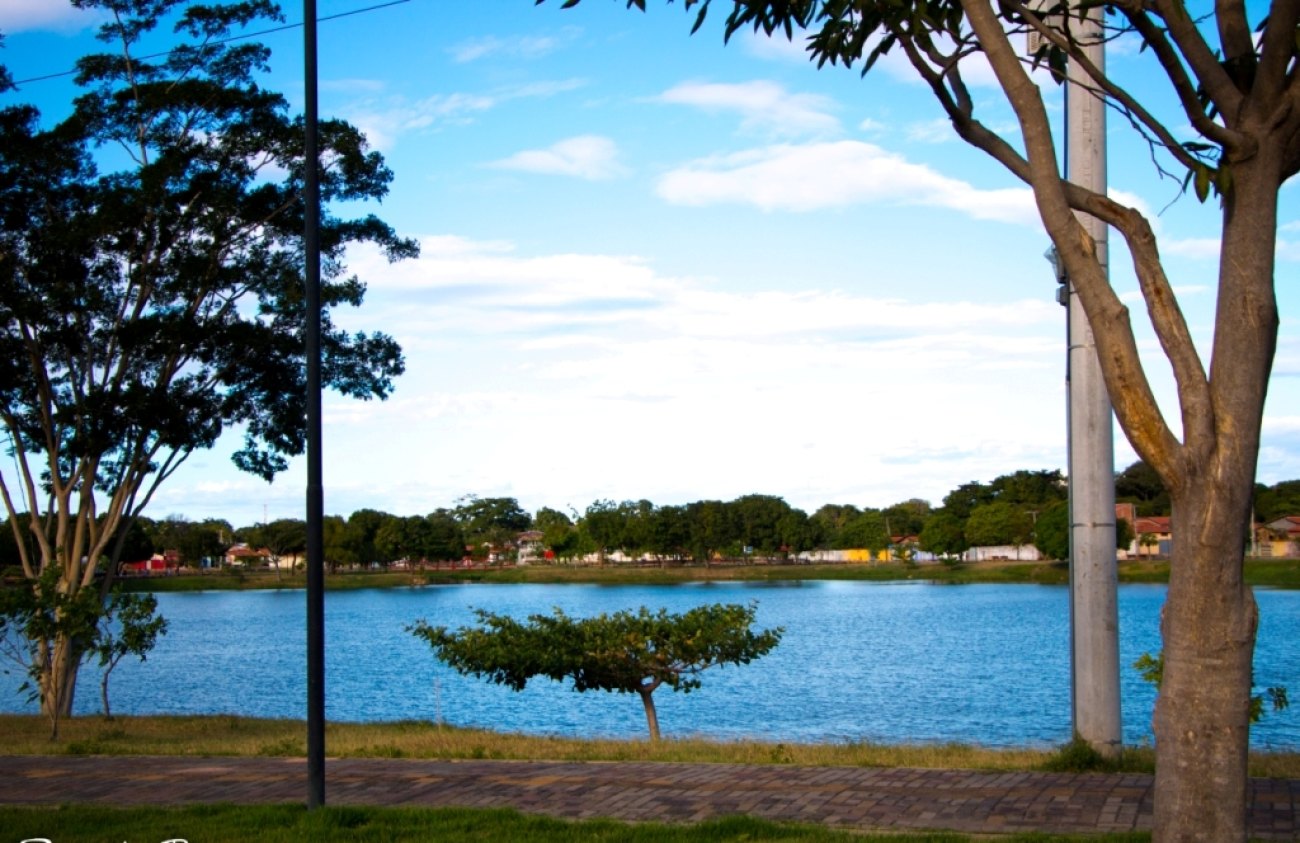
The CRPT provides a universal framework that uses verifiable and contextualised city data to establish a resilience profile and create an analysis and diagnosis of its most urgent challenges. This profile and diagnosis provide a basis for the creation of evidence-based and implementable Actions for Resilience, which are designed to be incorporated into current urban development strategies and management processes of the city.
In the next two months, the city will release its Recommendations of Actions for Resilience and Sustainability, developed with UN-Habitat, that makes specific recommenations.
“Teresina is perhaps the city that feels more latent the urgent call of Mother Earth. As one of the cities that warms faster than the rest of the world, Teresina suffers from nature's suffering,” says Gabriela Uchoa, National Director UN-Habitat CRGP/Government of Brazil Cooperation Programme.
“After two years of exhaustive database diagnosis, the report states the priority matters for the city with a clear roadmap for building resilience, including improving urban metabolism through green and blue infrastructure,” she added.
Teresina officials are confident that the PNL project has already reached substantial success by bringing about better mapping of resources, risks, and oportunities. Among the main achievement the following can be counted: promotion of community participation and the promotion of cultural, social and environmental education activities.
By municipal degree, a management committee of 20 members representing 13 community associations in the region has been established to monitor the implementation of the project's activities, serving as a channel for dialogue between the population and the official bodies involved.
Under the programme, 460 families were removed from areas at risk of flooding, and 168 families were benefited through housing improvements, and environment conditons have improved with the partial cleaning up of the lagoons, and recovery of green areas.
While the UN-Habitat expeertise and the local government’s initiative have gone a long away in buttrressing local adaptation techniques and increasing the city’s overall climate resiliency, as with many such projects, the abulity to continue and maintain the momemtum is key to long-term success.
To maintain sustainability, the programme has developed a number of actions in the areas of social communication, activities in the park, surveillance, implementation of a management unit, attraction of public and private investments, consolidation of the tourism pole of the lagoon region, and a local economic development plan to leverage to traditional activities and the emergence of new businesses.
The Teresina’s Climate Action Plan also advances more climate-resilient planning through inclusive awareness-based pilot projects such as the Women For Climate Workshop.
The project addressed the challenges that girls and women from vulnerable communities face in the context of extremely hot weather and deep socioeconomic disparities. It consisted of using a “bottom up” and “hands on” approach to research and design, which includes working together with the actual inhabitants of the neighbourhood. This type of approach aims to create a close relationship and trust between professionals, and the local community.