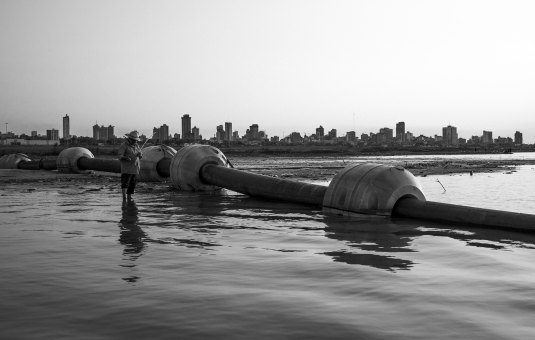
Asunción, 8 September 2019-- Located in the Rio de la Plata basin, the city of Asunción is a thriving economic capital, but one that is highly prone to flooding and water contamination. Just this May, heavy rain forced 50,000 people from their homes, and seriously compromised and impacted the city´s functionality.
To address these risks and the city’s ability to overcome them, the Municipality of Asunción has initiated a number of pro-active initiatives on urban planning and resilience building. The Municipality’s partnership with UN-Habitat through the European Commission funded project, ‘Making Cities Sustainable and Resilient Action,’ is one such initiative. Through this project, Asunción is one of four cities implementing UN-Habitat’s City Resilience Profiling Tool (CRPT), an in-depth resilience methodology shaped by UN-Habitat’s expertise working with and for cities on resilience challenges.
Throughout the CRPT implementation process, the Municipality of Asunción engaged over 100 key stakeholders from the local and national government, private sector, and civil society organisations in series of consultations, trainings, and data collection exercises. The resilience diagnosis combined the verified data collected on the city’s performance in areas such as the built environment, mobility and basic services, with inputs from various stakeholder groups, and took stock of ongoing city plans, programmes and initiatives that were likely to increase or compromise resilience in the city. The diagnosis was further strengthened by satellite data forecasting that revealed the climate trends predicted in the region and the potential impact on the city and its inhabitants.