The Deputy Mayor of Hawassa City, Tsegaye Tuke noted that the city’s planning team has been trying to revise its plan for the last 10 years. Their efforts have been complemented by technical support from UN-Habitat, funded by the British Embassy, and they have all worked closely with the Ministry of Urban Development and Construction. “The newly revised structure plan will solve challenges associated with plan implementation and development priorities for the next ten years,” he said, thanking the government of the United Kingdom for its financial support, and UN-HABITAT for technical support with revision of the plan, working closely with the city government.
“We are confident that the implementation of this plan will help Hawassa City realize its potential as an attractive, sustainable destination for private investors that will bring prosperity to the community and wider region over the years to come,” remarked a representative of the British Embassy, John-Paul Fanning.
The Plan has identified eight strategic project proposals for implementation, including rehabilitation of the solid waste management system fo Hawassa City using the Fukuoka Method. The experience gained in Hawassa City is being shared with Bahir Dar and Dire Dawa, two secondary cities which host industrial parks.
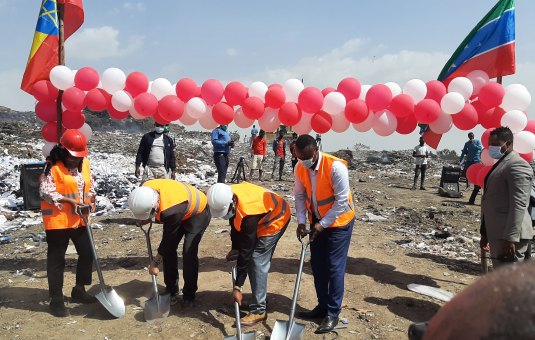
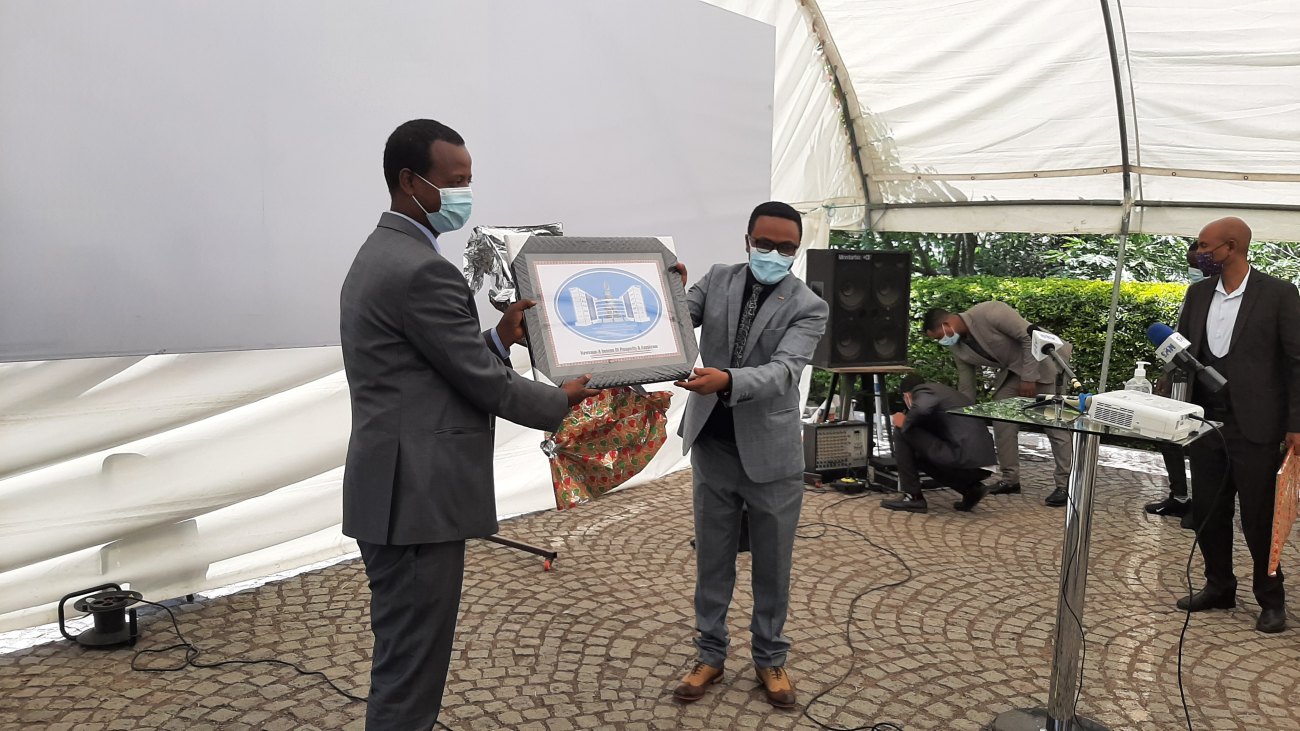
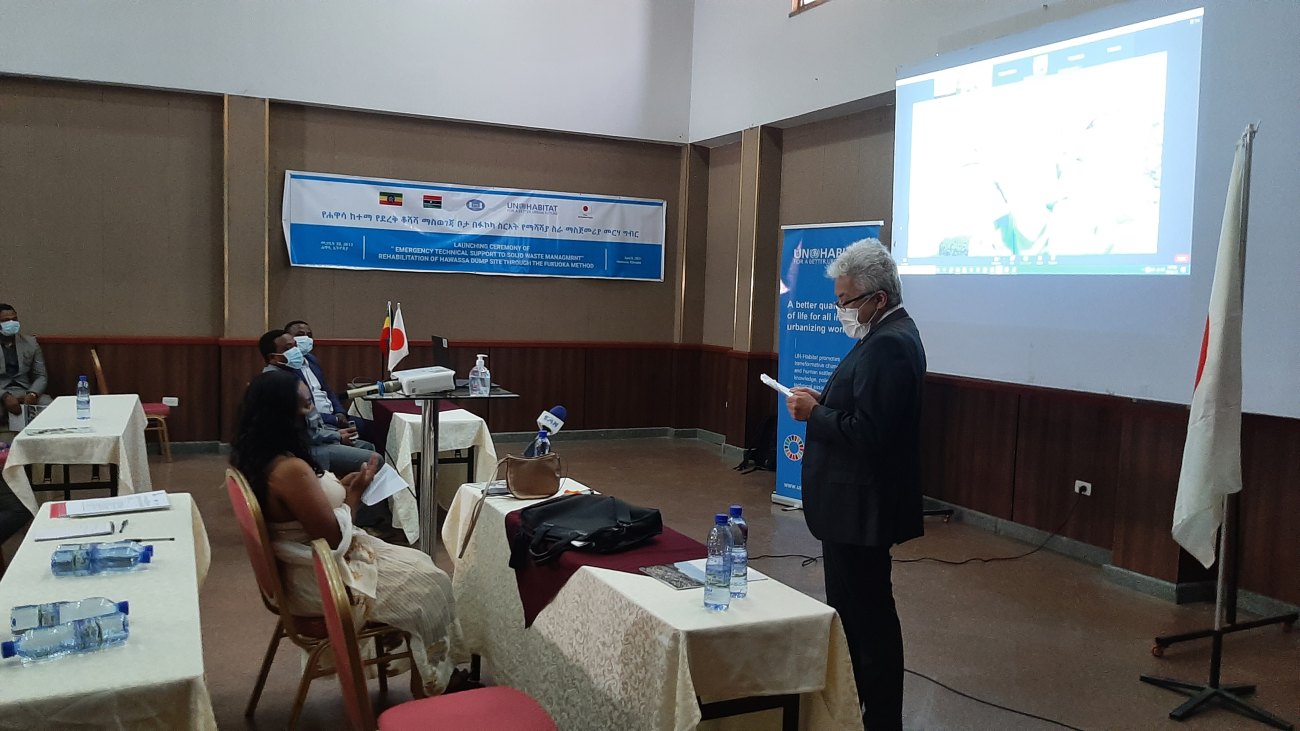
The Embassy of Japan, the City Government of Hawassa, and UN-HABITAT have jointly launched the Emergency Technical Support to Solid Waste Management (SMW) project in Hawassa, Ethiopia. The city has been operating its dumpsite since 2010 and will be the third city in Ethiopia to apply the Fukuoka Method of landfill management to rehabilitate and stabilize the existing open dumpsite.
Speaking at the launch, the Mayor of Hawassa, Tsegaye Tuke, said Hawassa as one of the fastest growing cities in Ethiopia, and it is faced with challenges in managing its municipal solid waste. The city has one solid waste dumpsite that covers an area of 3.8 hectares. The dumpsite has exceeded its volumetric capacity. Leachate and landfill gas collection systems are absent, which puts the dumpsite at risk of flooding, subsidence, and landslides.