“The Fukuoka Method is a very simple technique and it is low cost,” notes Professor Yasushi Matsufuji, Emeritus Professor Fukoka University and the UN-Habitat Fukuoka Advisor. “It is a semi-aerobic landfill concept. Semi-aerobic is changing from anaerobic to aerobic conditions. It is very useful to accelerate decomposition and to reduce methane gas.”
The project works by weaving together a number of low cost ideas such as having compacted roads, to increase water run off and reduce water leaking through the rubbish. Another clever solution is the gas venting pipe system that reduces the heat inside the decomposing waste.
“Due to decomposition, internal heat can reach 40 to 50 degrees celsius,” explains Toshikazu Mito, UN-Habitat International Technical Advisor in Ethiopia and Japan. “Having this vertical pipe creates an updraft, an automatic air movement. By this we can take in more oxygen into the landfill body, and we can increase aerobic decomposition with this oxygen.”
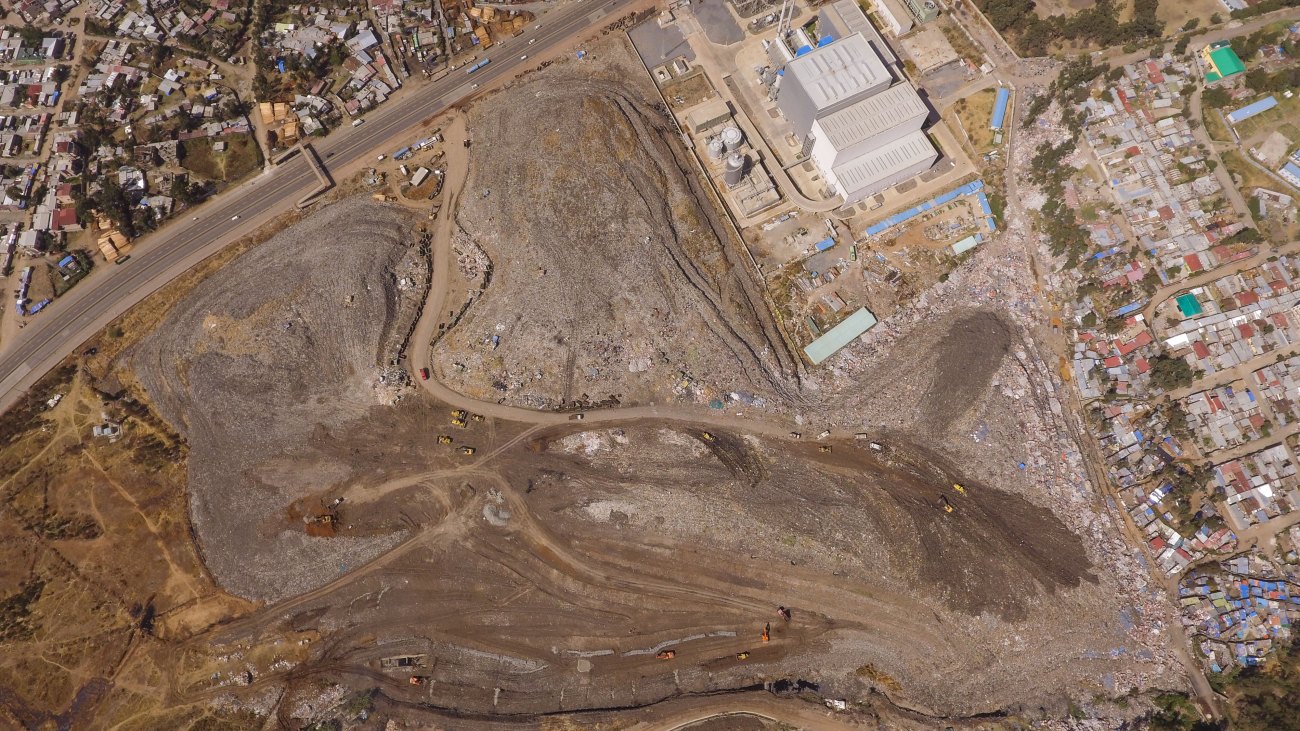
Since the start of the project in 2017, the team have rehabilitated 19 hectares of land.
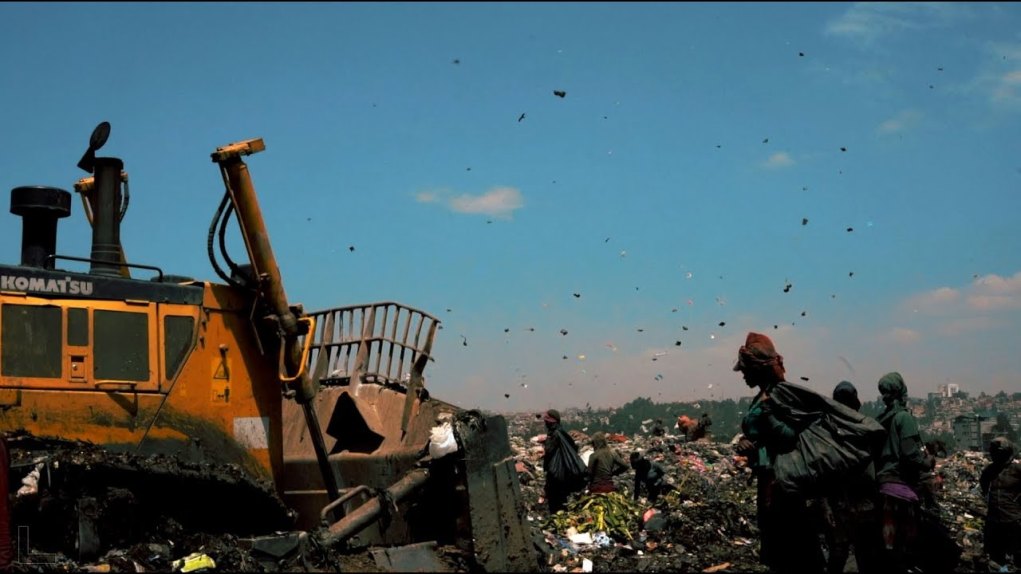
“We remember very well that two years ago there was the tragic incident,” said H.E. Daisuke Matsunaga, Japanese Ambassador to Ethiopia. “So we want to make sure that nothing of this kind will ever happen again.”
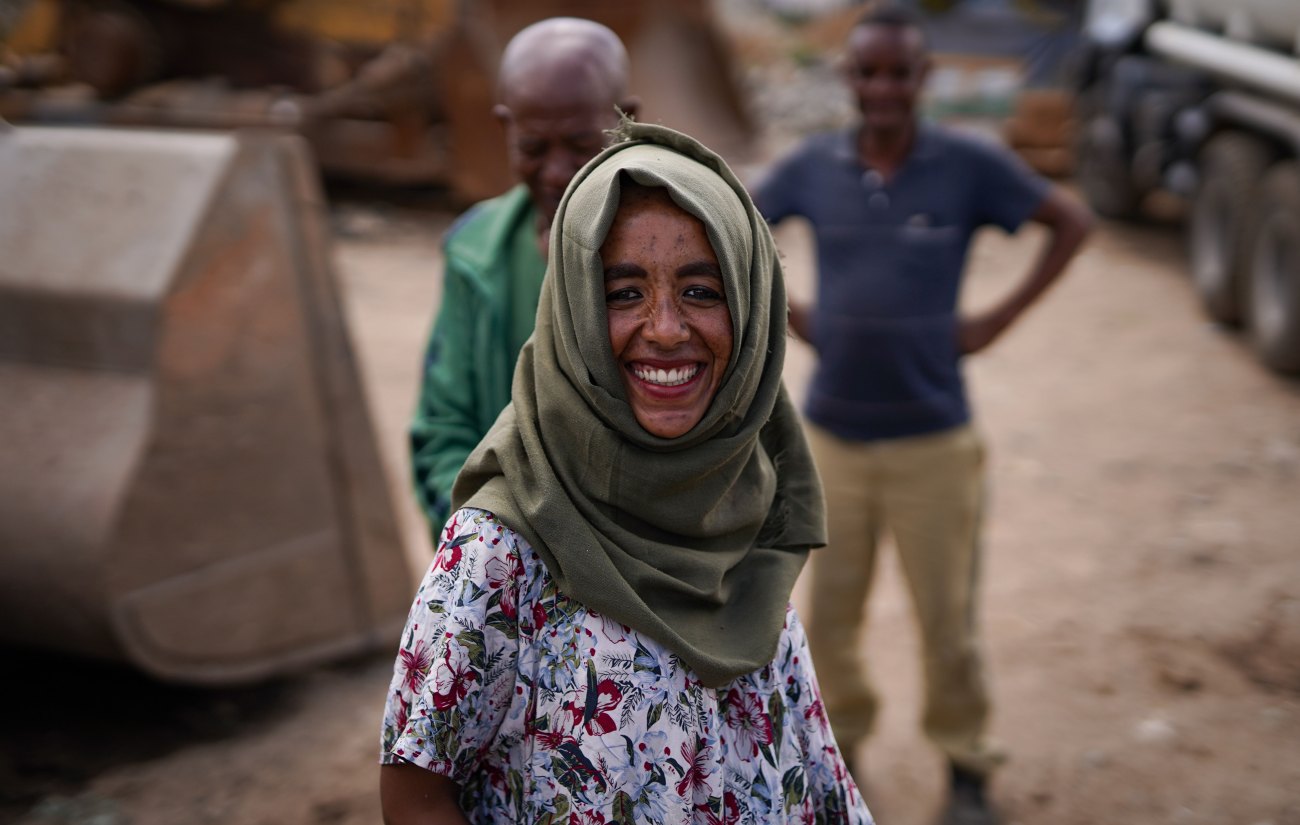
“The change is like that between the sky and earth,” contrasts Biruk Tsegaye, a construction team leader, working at the Koshe landfill dump. “It is much improved, and now it’s in a good condition.”