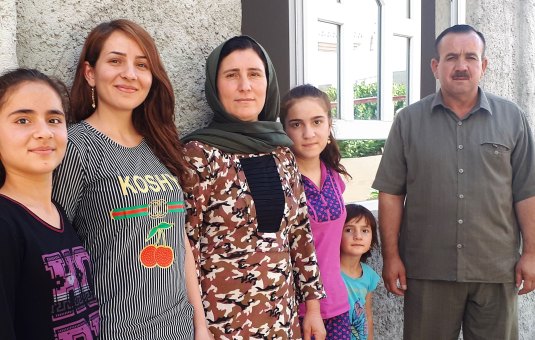
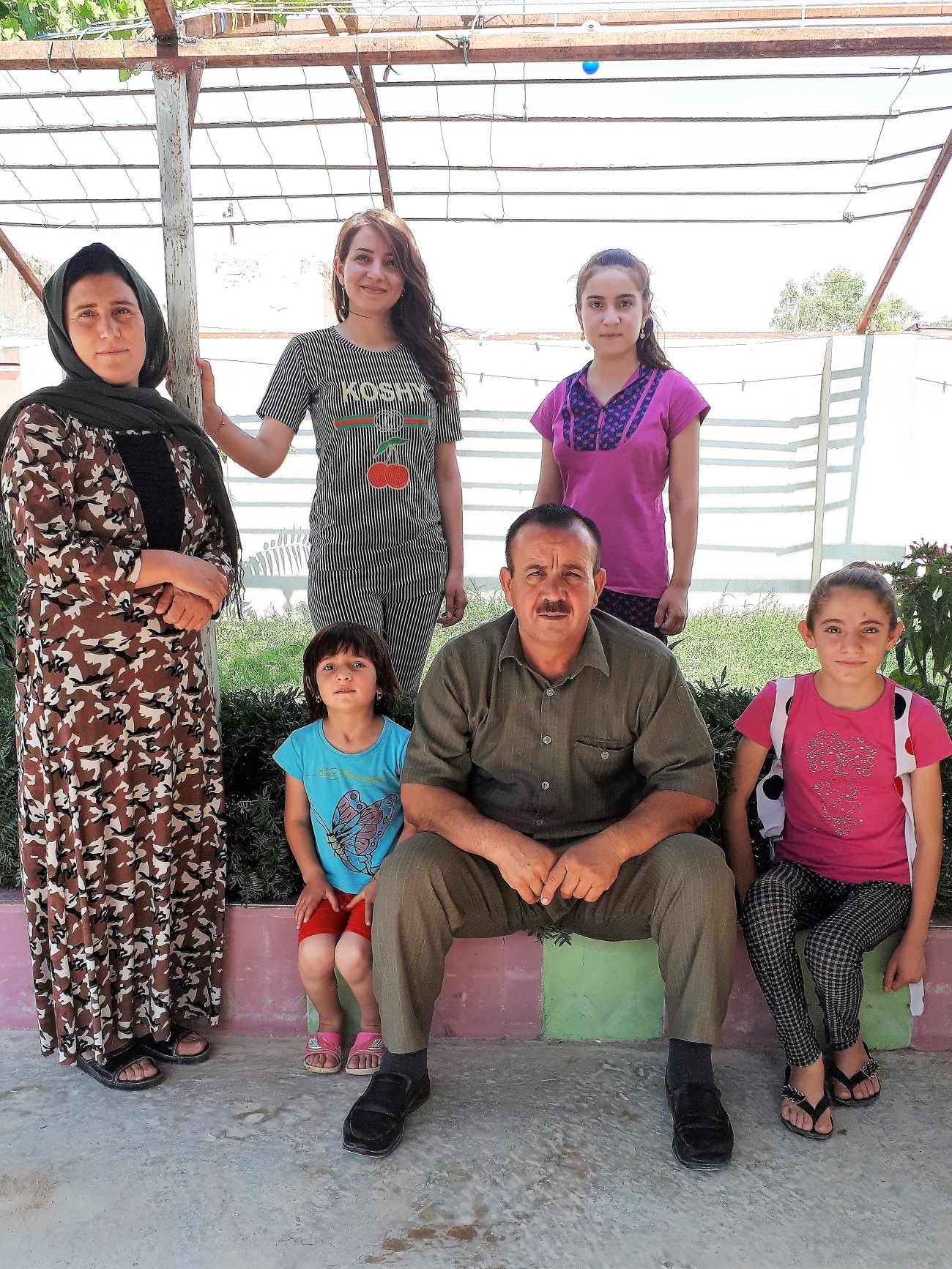
Sinjar, Northern Iraq. “When we first heard there would be a programme to support our property rights, we did not believe it. But then it happened!” Hazem Kcho Saado, Borek resident, 47 years old.
As a Yazidi from Sinjar, Hazem has been displaced more than once during his lifetime. Like most Yazidi families from the area, he came to Borek Township (Mujama’at) in 1975, when they were forcibly relocated from the traditional Borek village as part of the previous regime’s policy. People, he says, were not happy to leave behind their lands and way of life. But in time they started to see the positive aspects: electricity and running water, opportunities for business. However, as a result of decades-long discriminatory policies against ethnic and religious minorities, they were never able to gain access to official recognition of the ownership of their lands and houses, lacking any documents to support their property rights.
With the ISIL occupation of Sinjar in 2014, the Yazidi community became a particular target of killings and enslavement due to their religious beliefs. To escape the violence, families were forced to flee within Iraq or to other countries, becoming internally displaced or refugees. Hazem recalls that when ISIL approached Borek, he tried to cross the Sinjar mountains to reach his sister, but ISIL had already closed the roads. His family then joined others to march into Kurdistan. Although he eventually found work, resources were scarce. He ended up losing his uncle due to lack of medical supplies. “That time was very difficult”, says Hazem. More than a year and a half later, Hazem returned to Borek with his wife and children.