Housing stakeholders push for action on global recommendations
Description
For the nearly 3.4 billion people worldwide facing inadequate housing, global commitments mean little without changes to the conditions in which people live.
Description with Image
Secure land, affordable rents, protection from forced evictions and homes that can withstand climate risks remain pressing challenges – and translating policy into action was the focus of a recent UN-Habitat stakeholder briefing ahead of the third session of the Open-Ended Intergovernmental Working Group on Adequate Housing (OEWG-H).
The online briefing brought together 11 representatives from civil society, local government networks, academia, professional organizations, the private sector and youth constituencies to discuss how global housing recommendations could better respond to realities on the ground.
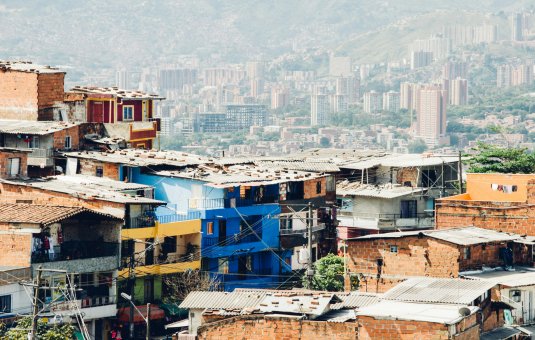
The urgency is reflected in the scale of the crisis. More than 1.1 billion people live in slums and informal settlements, while housing costs continue to push households into financial hardship. As cities face mounting pressures from urban growth, displacement and climate change, participants stressed that recommendations must address not just the availability of housing, but also affordability, security, resilience and access to basic services.

Turning recommendations into change
For communities living in informal settlements, housing policies can mean little when secure land tenure, basic infrastructure and protection from eviction remain out of reach. Participants pointed to persistent gaps between national housing frameworks and their implementation, particularly in the Global South, calling for greater attention to informal settlement upgrading, land management and the social function of land and property.
Affordability was another concern, with rising rental costs and the growth of short-term and platform-based rentals adding pressure to already constrained housing markets. Stakeholders stressed the need for approaches that protect residents while ensuring housing serves as a place to live, rather than solely an investment.
Housing and climate resilience were also closely linked in the discussions. Participants called for housing to feature more prominently in international climate processes, including UN climate conferences, and for greater integration of housing policies with resilience planning and environmental management.
Making global recommendations work locally
Turning recommendations into action will also require broader collaboration. Participants called for more inclusive public-private partnerships, stronger engagement with housing finance institutions and greater involvement of local and regional governments in shaping and implementing housing policies.
They also stressed the need to make the Working Group’s recommendations accessible beyond government and UN audiences, so that practitioners, communities and other housing actors can use them in their work.
The Centre for Affordable Housing Finance in Africa proposed linking the recommendations to existing industry commitments and holding targeted webinars for housing finance actors. Other participants offered to contribute research, case studies and practical experience in informal settlement upgrading, land management and collaboration with national governments.
These contributions could help bring the recommendations closer to the realities of housing delivery in different contexts, while building a broader base of support for their implementation.
From recommendations to a shared housing agenda
Established through a UN-Habitat Assembly resolution in 2023, the Open-Ended Intergovernmental Working Group brings Member States and experts together to develop recommendations addressing the global housing crisis.
Its third session, taking place on 26–27 November 2026 in Nairobi, will address housing sustainability and resilience, integrated national housing policies and a reference definition of homelessness. The session will also launch the Housing Knowledge Platform, designed to facilitate the exchange of housing expertise, knowledge and practical solutions among Member States and stakeholders.
UN-Habitat plans to pilot further stakeholder briefings in December 2026 and January 2027 on the definition of informal settlements and land management tools, with additional opportunities for engagement through thematic consultations, expert group meetings and contributions to the Housing Knowledge Platform.
The discussions will feed into the Working Group’s fourth session in 2027 and the development of consolidated recommendations for consideration by the UN-Habitat Assembly in 2029.
With billions of people still lacking adequate housing, the challenge extends beyond agreeing on global recommendations. It is ensuring that those recommendations can help change the policies, financing and practices that determine whether people have a safe, secure and affordable place to call home.