Cities return to the spotlight as HLPF 2026 opens in New York
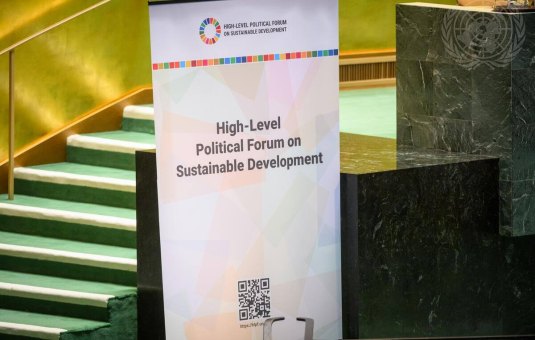
Description
New York, 7 July 2026 – Ministers, mayors and delegates gathered at United Nations Headquarters today for one of the busiest periods on the sustainable development calendar. With less than four years remaining until 2030, this year's High-level Political Forum on Sustainable Development (HLPF) carries particular weight for the urban community: SDG 11, the Sustainable Development Goal on sustainable cities and communities, is back under review, alongside the Goals on water, energy, industry and partnership.
What is HLPF and what is different this year?
The HLPF is the United Nations central platform for reviewing the 2030 Agenda and its 17 Sustainable Development Goals. It is convened annually under the Economic and Social Council (ECOSOC). This year's Forum runs 7–15 July under the theme "Transformative, equitable, innovative and coordinated actions for the 2030 Agenda for Sustainable Development and its Sustainable Development Goals for a sustainable future for all," with a ministerial segment held 13–15 July. Delegates will assess progress, hear Voluntary National Reviews (VNRs) and negotiate a ministerial declaration.
In 2026, the Forum reviews SDG 6 (water and sanitation), SDG 7 (affordable and clean energy), SDG 9 (industry, innovation and infrastructure), SDG 11 (sustainable cities and communities) and SDG 17 (partnerships), while 36 countries – including Brazil, Egypt, Italy, Rwanda and Switzerland, among others – present VNRs.
SDG 11 under review: What is on the table for cities
The review of SDG 11 during the Forum considers how to accelerate implementation, drawing on the Secretary-General's SDG progress report and the Expert Group Meeting convened by the United Nations Department of Economic and Social Affairs (UN DESA) and UN-Habitat in January. It is the third in-depth review since 2015. The previous two took place in 2018 and 2023.
Progress has been made, but it remains insufficient to achieve the Goal by 2030. Since 2023, major gains include better urban data, more countries adopting national urban policies, and stronger disaster risk management, which helps reduce exposure to hazards and strengthen recovery. However, significant challenges remain, including housing affordability, informal settlements, urban sprawl, air pollution and unequal access to basic urban services. The review feeds into the midterm review of the New Urban Agenda at the General Assembly immediately afterwards, on 16–17 July.
Water and cities: The 2026 SDG 6 Synthesis Report
These findings are reinforced by UN-Water's companion assessment, the 2026 SDG 6 Synthesis Report on Water and Sanitation, themed "Ten years of SDG 6 and the path to 2030+." It finds that progress remains too slow and uneven a decade on. The report concludes that reliable water and sanitation underpin resilient urban development. The full report is available on the UN-Water website.
Taking the interlinkages local: The Local2030 Coalition
The Local2030 Coalition, the United Nations system-wide platform for localizing the 2030 Agenda, helps translate these interlinkages into action. Its special event on 15 July will contribute to the review of SDG 11. UN-Habitat co-chairs the coalition and hosts its Secretariat in Bilbao, Spain.
The bigger picture: The Sustainable Development Goals Report 2026
Providing the broader context for this week's discussions is The Sustainable Development Goals Report 2026, launched today by UN DESA with partner organizations across the UN system. The report finds uneven progress amid conflict, slowing growth and declining aid. Its chapter on Goal 11 makes the case for integrated housing and governance, underscoring UN-Habitat's role in informing discussions on the midterm review of the New Urban Agenda and preparations for the 2027 SDG Summit.
The full programme and the schedule of Voluntary National Reviews are available on the HLPF website.