Annual report 2025
Cards of contacts
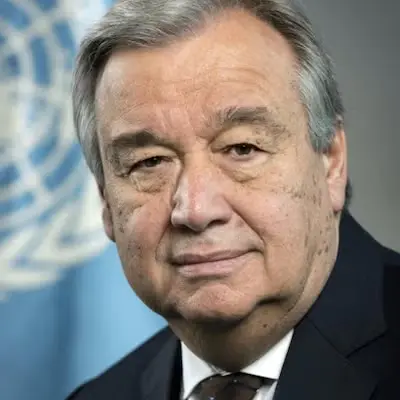
António Guterres
The fight against climate change and the struggle to achieve more sustainable and equitable urbanization are two sides of the same coin. When buildings, homes and vital infrastructure like water and transportation systems are poorly planned, built and managed, they are no match for climate-fueled disasters like rising seas, heatwaves, and other extreme weather impacts. This challenge disproportionately affects the poorest and most vulnerable people.
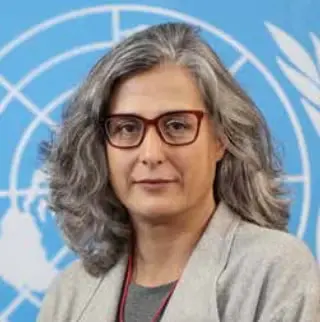
Anacláudia Rossbach
With every year, the message has become more urgent as the impact of climate change worsens while concrete action to address it lags far behind. From rising sea levels to urban heat waves, the human, economic and environmental costs are becoming too high—and are only set to increase in future. This report shows that almost no urban resident will be unaffected, with billions of people subjected to hotter temperatures or exposed to the risks of flooding and other threats.
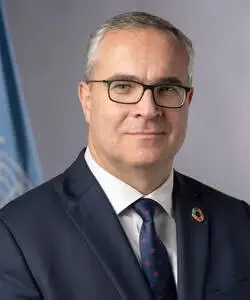
Michal MLYNÁR
With every year, the message has become more urgent as the impact of climate change worsens while concrete action to address it lags far behind. From rising sea levels to urban heat waves, the human, economic and environmental costs are becoming too high—and are only set to increase in future. This report shows that almost no urban resident will be unaffected, with billions of people subjected to hotter temperatures or exposed to the risks of flooding and other threats.
Cards of contacts
António Guterres
The fight against climate change and the struggle to achieve more sustainable and equitable urbanization are two sides of the same coin. When buildings, homes and vital infrastructure like water and transportation systems are poorly planned, built and managed, they are no match for climate-fueled disasters like rising seas, heatwaves, and other extreme weather impacts. This challenge disproportionately affects the poorest and most vulnerable people.
Anacláudia Rossbach
With every year, the message has become more urgent as the impact of climate change worsens while concrete action to address it lags far behind. From rising sea levels to urban heat waves, the human, economic and environmental costs are becoming too high—and are only set to increase in future. This report shows that almost no urban resident will be unaffected, with billions of people subjected to hotter temperatures or exposed to the risks of flooding and other threats.
Michal MLYNÁR
With every year, the message has become more urgent as the impact of climate change worsens while concrete action to address it lags far behind. From rising sea levels to urban heat waves, the human, economic and environmental costs are becoming too high—and are only set to increase in future. This report shows that almost no urban resident will be unaffected, with billions of people subjected to hotter temperatures or exposed to the risks of flooding and other threats.
Description
Caution is needed in accelerating climate adaptation and mitigation efforts in cities to avert unintended and exclusionary consequences. When protective disaster infrastructure is constructed in cities, poor households, and those living in informal settlements and slums may find themselves evicted or more exposed if such communities are not factored into the design
Cards of contacts
The fight against climate change and the struggle to achieve more sustainable and equitable urbanization are two sides of the same coin. When buildings, homes and vital infrastructure like water and transportation systems are poorly planned, built and managed, they are no match for climate-fueled disasters like rising seas, heatwaves, and other extreme weather impacts. This challenge disproportionately affects the poorest and most vulnerable people.
The fight against climate change and the struggle to achieve more sustainable and equitable urbanization are two sides of the same coin. When buildings, homes and vital infrastructure like water and transportation systems are poorly planned, built and managed, they are no match for climate-fueled disasters like rising seas, heatwaves, and other extreme weather impacts. This challenge disproportionately affects the poorest and most vulnerable people.
Cards/Slider Animated (Impact)
Content limited to 300 characters, remaining: 300Content limited to 300 characters, remaining: 300Content limited to 300 characters, remaining: 300Content limited to 300 characters, remaining: 300
Content limited to 300 characters, remaining: 300Content limited to 300 characters, remaining: 300Content limited to 300 characters, remaining: 300Content limited to 300 characters, remaining: 300Content limited to 300 characters, remaining: 300Content limited to 300 characters, remaining: 300
Content limited to 300 characters, remaining: 300Content limited to 300 characters, remaining: 300Content limited to 300 characters, remaining: 300Content limited to 300 characters, remaining: 300Content limited to 300 characters, remaining: 300Content limited to 300 characters, remaining: 300Conten
Content limited to 300 characters, remaining: 300Content limited to 300 characters, remaining: 300Content limited to 300 characters, remaining: 300Content limited to 300 characters, remaining: 300
Content limited to 300 characters, remaining: 300Content limited to 300 characters, remaining: 300Content limited to 300 characters, remaining: 300
Cards/Slider Animated (Impact) vertical
Content limited to 300 characters, remaining: 300Content limited to 300 characters, remaining: 300Content limited to 300 characters, remaining: 300Content limited to 300 characters, remaining: 300
Content limited to 300 characters, remaining: 300Content limited to 300 characters, remaining: 300Content limited to 300 characters, remaining: 300Content limited to 300 characters, remaining: 300Content limited to 300 characters, remaining: 300Content limited to 300 characters, remaining: 300
Content limited to 300 characters, remaining: 300Content limited to 300 characters, remaining: 300Content limited to 300 characters, remaining: 300Content limited to 300 characters, remaining: 300Content limited to 300 characters, remaining: 300Content limited to 300 characters, remaining: 300Conten
Content limited to 300 characters, remaining: 300Content limited to 300 characters, remaining: 300Content limited to 300 characters, remaining: 300Content limited to 300 characters, remaining: 300
Content limited to 300 characters, remaining: 300Content limited to 300 characters, remaining: 300Content limited to 300 characters, remaining: 300
hgf
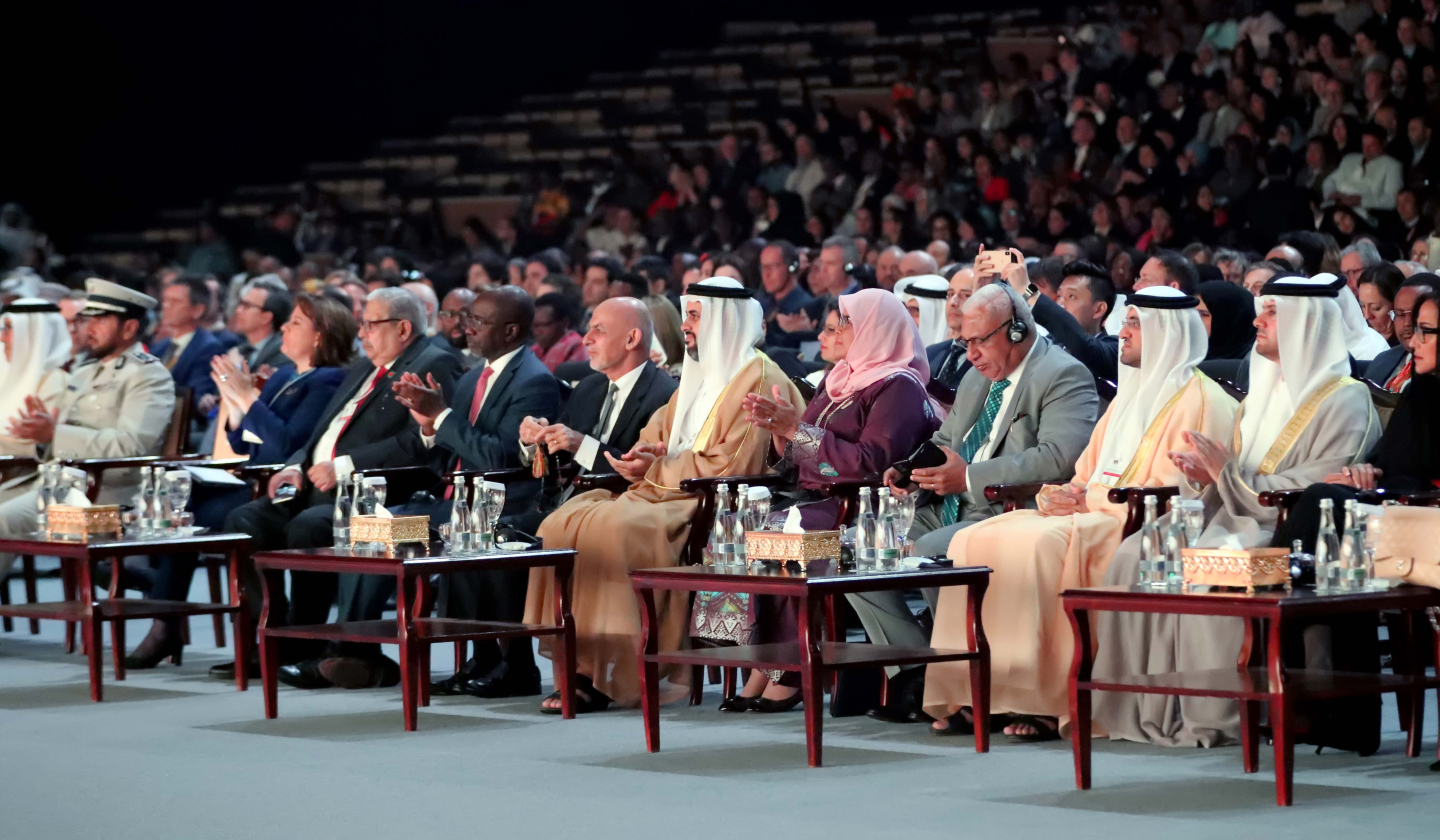
Cities as Hubs for Climate Action
Cities are both victims of climate change and among its worst perpetrators: not only are they disproportionately exposed to its impacts, but they are also responsible for generating a large share of global emissions. This means there is not only a moral imperative to take urgent action at the local level to promote low-carbon, sustainable urbanization, but also a compelling logic. Cities, in fact, are highly conducive to the implementation of adaptation and mitigation programmes that deliver a range of co-benefits to communities in terms of poverty reduction, employment, service provision and quality of life. Already, some of the most exciting and progressive solutions are emerging from cities and communities who in many cases are taking action, in the absence of national and international support, to strengthen their collective resilience. In addition, cities across the world are demonstrating that it is possible to decouple urban development from increasing emissions. Increasingly, then, urban areas are being seen not just as part of the problem, but part of the solution too—even if their full potential has yet to be realized.
Cities are both victims of climate change and among its worst perpetrators: not only are they disproportionately exposed to its impacts, but they are also responsible for generating a large share of global emissions. This means there is not only a moral imperative to take urgent action at the local level to promote low-carbon, sustainable urbanization, but also a compelling logic. Cities, in fact, are highly conducive to the implementation of adaptation and mitigation programmes that deliver a range of co-benefits to communities in terms of poverty reduction, employment, service provision and quality of life. Already, some of the most exciting and progressive solutions are emerging from cities and communities who in many cases are taking action, in the absence of national and international support, to strengthen their collective resilience. In addition, cities across the world are demonstrating that it is possible to decouple urban development from increasing emissions. Increasingly, then, urban areas are being seen not just as part of the problem, but part of the solution too—even if their full potential has yet to be realized.
Reviews
Diana Carillo Silva
Since 2021, the Climate Change and Urban Environment Community of Practice has hosted 16 sessions, bringing more than 400 colleagues together to discuss themes, events and initiatives like urban heat, urban biodiversity, IPCC reports, COPs, SURGe and I4C. Many of these sessions have been achieved in collaboration with other Communities of Practice and external partners like UNDP. Through one of the discussions, we gathered nature-based solutions case studies in more than 30 cities across the agency
Diana Carillo Silva 2
Since 2021, the Climate Change and Urban Environment Community of Practice has hosted 16 sessions, bringing more than 400 colleagues together to discuss themes, events and initiatives like urban heat, urban biodiversity, IPCC reports, COPs, SURGe and I4C. Many of these sessions have been achieved in collaboration with other Communities of Practice and external partners like UNDP. Through one of the discussions, we gathered nature-based solutions case studies in more than 30 cities across the agency


