The last speaker, Ms. Maricel Genzola of the Foundation for the Development of the Urban Poor, presented an innovative project in the same city that uses solar-powered technology to turn harvested rain into potable water.
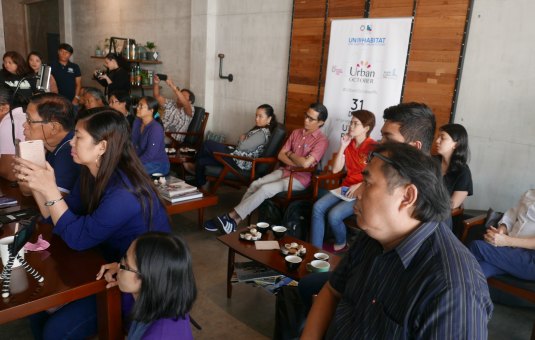
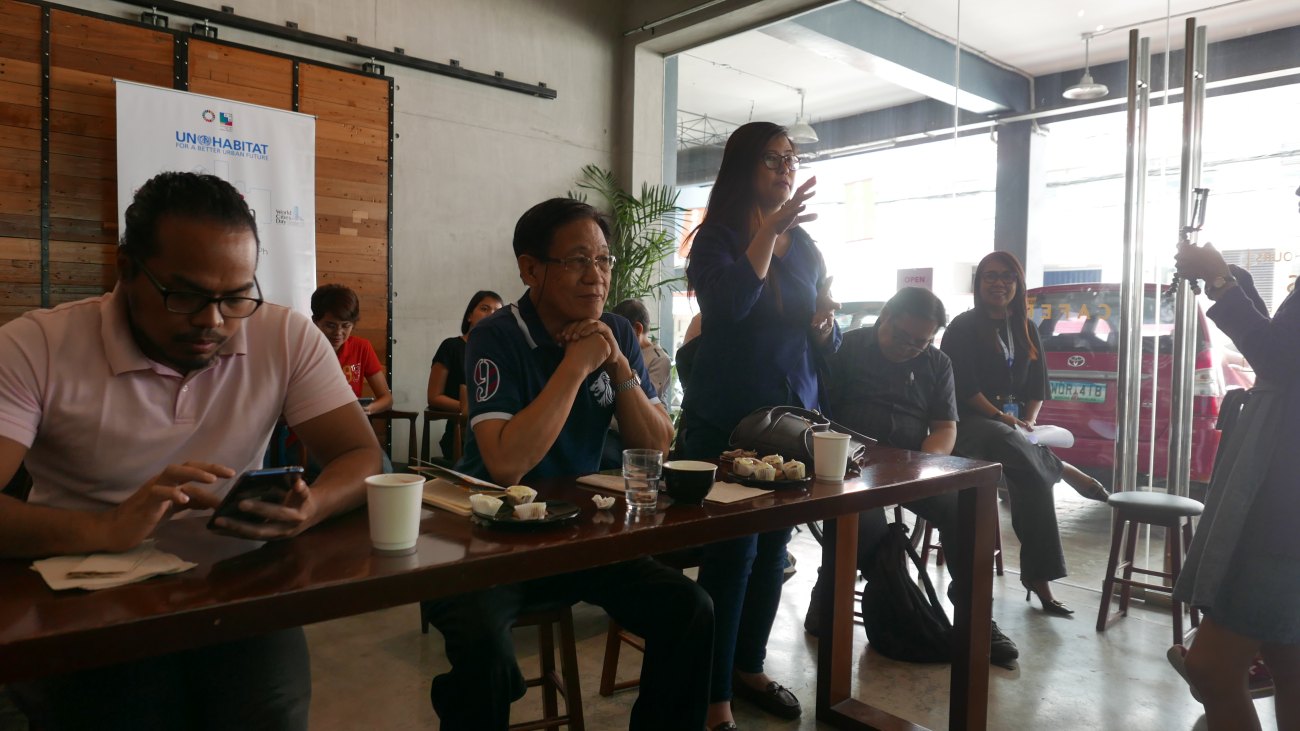
Members of the audience participated by sharing their experiences, knowledge, and suggestions. Many of them agreed that collective governance is crucial in waste management efforts. According to Ms. Ruby Cristobal from the Department of Science and Technology (DOST), “Ang gobyerno dapat i-recognize ang power ng communities at sa communities, yung mga katulad nating mga nasa organisasyon at media, empower the small groups. Pag marami yan at nagkabit-kabit, naniniwala ako, if not in 5 years, maybe in 10 years baka kakayanin. We start from somewhere and let it flow like a network.” (The government should recognize the power of the communities, while those of us from organizations and the media should empower the small groups. When we link all of them, I believe we can do it, if not in 5 years, in 10 years. We start from somewhere and let it flow like a network.)
The session was also able to acknowledge certain nuances and complexities such as the question raised by Mr. Palomo on whether recycling and upcycling encourage companies to produce more plastic. Another concern was raised by Mr. Ruel Cabile from the EcoWaste Coalition, who mentioned that there are Filipinos from vulnerable sectors who depend on waste-picking for a living.
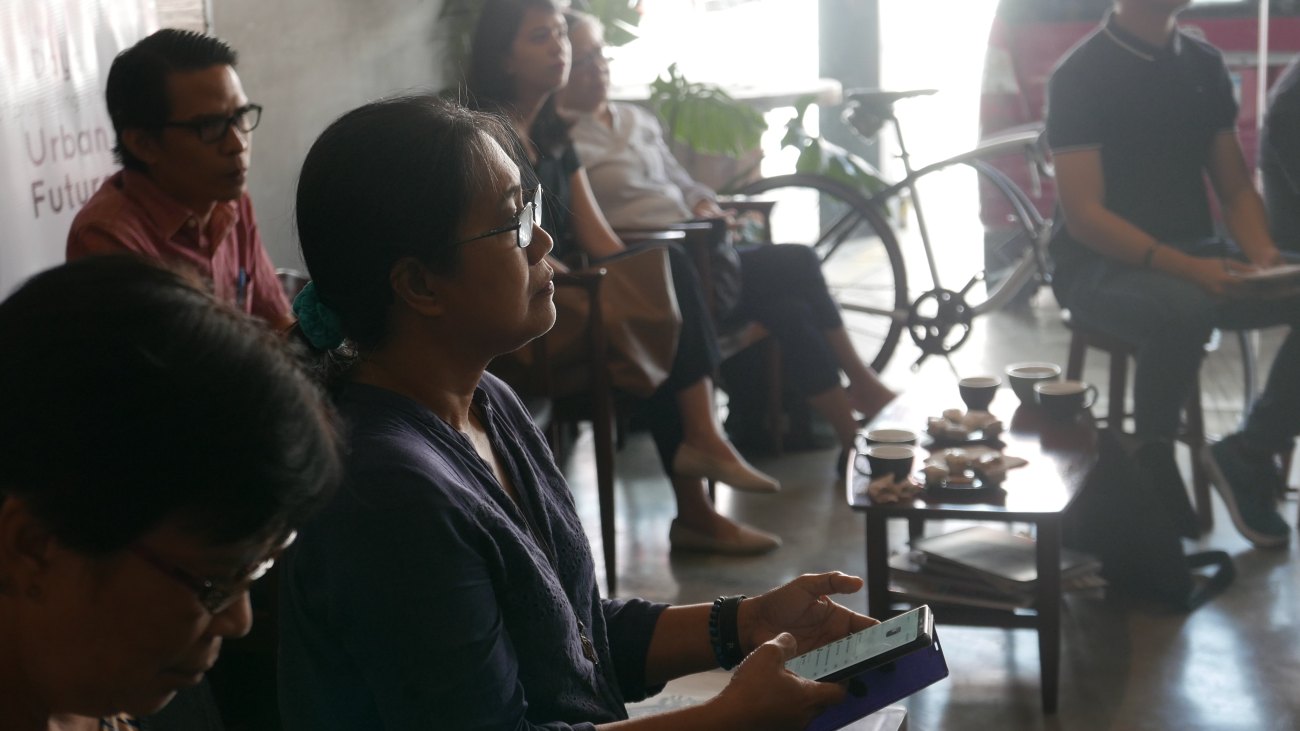
Apart from facilitating important dialogues in a relaxed atmosphere, the Kapihan provided opportunities for possible collaboration between like-minded organizations and individuals concerned with urban sustainability. The session was streamed online so more people could join the conversation.
Launched in Urban October by UN-Habitat Philippines, Kapihan at Usapang Urban (Urban Conversations Over Coffee) is a series of dialogues between speakers and participants on specific urban issues and approaches to address these challenges.