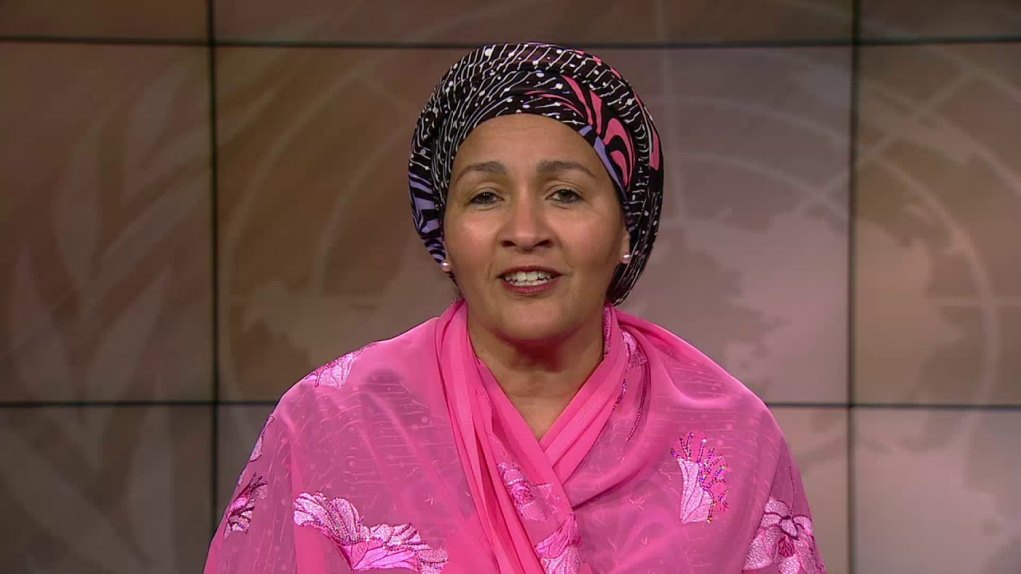
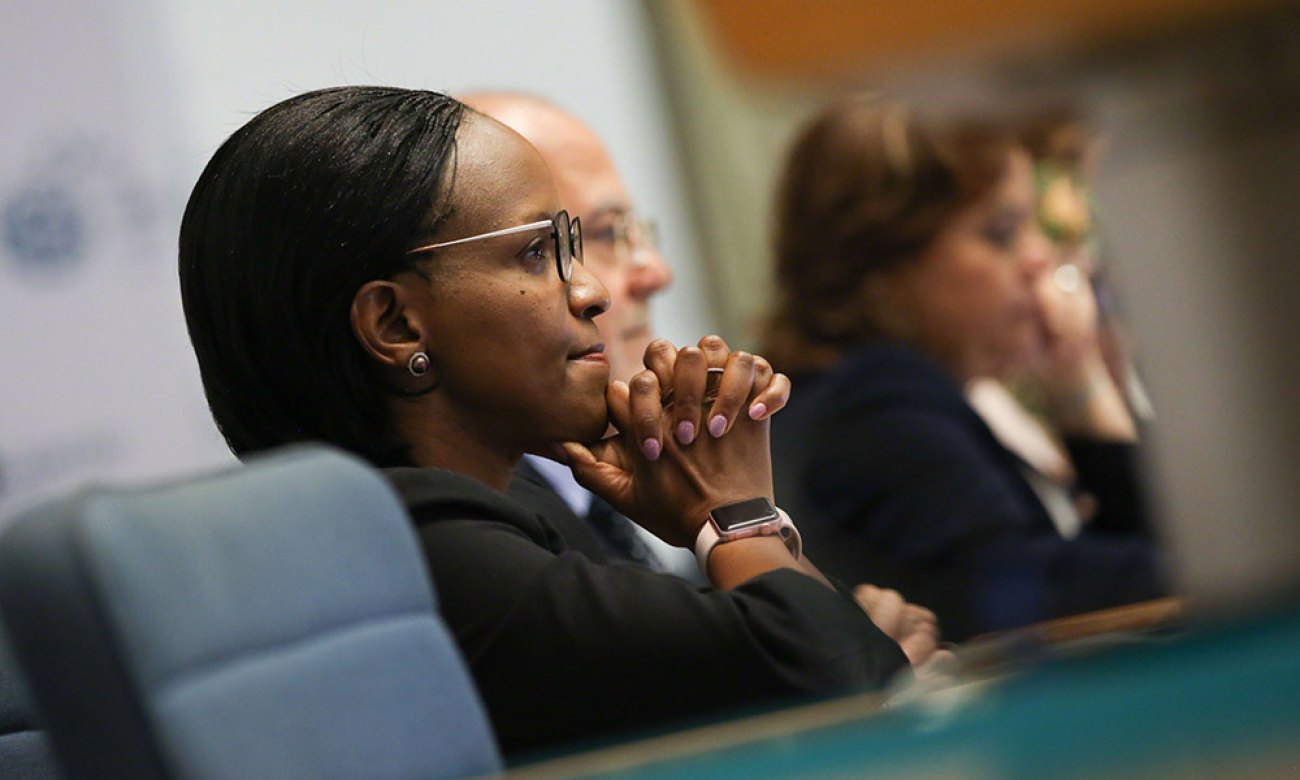
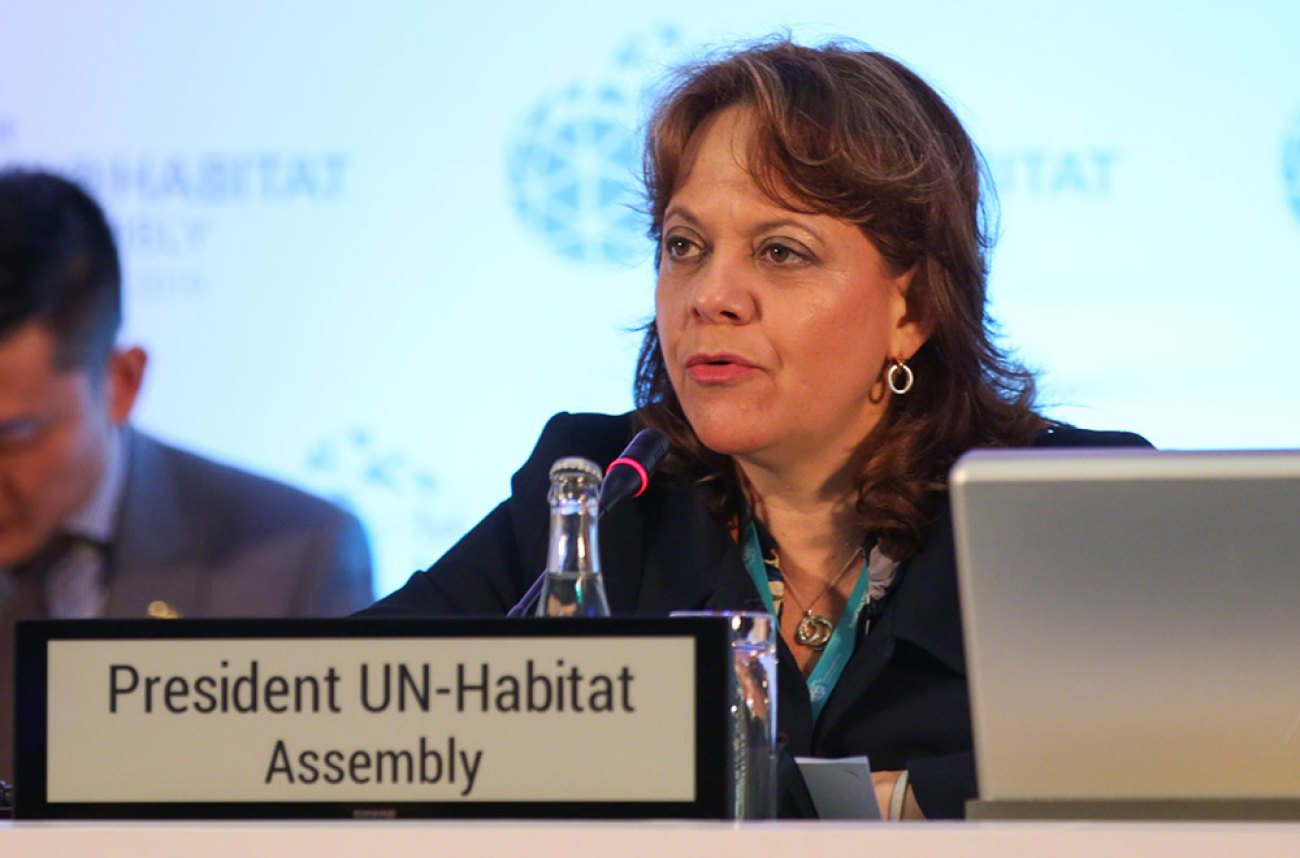
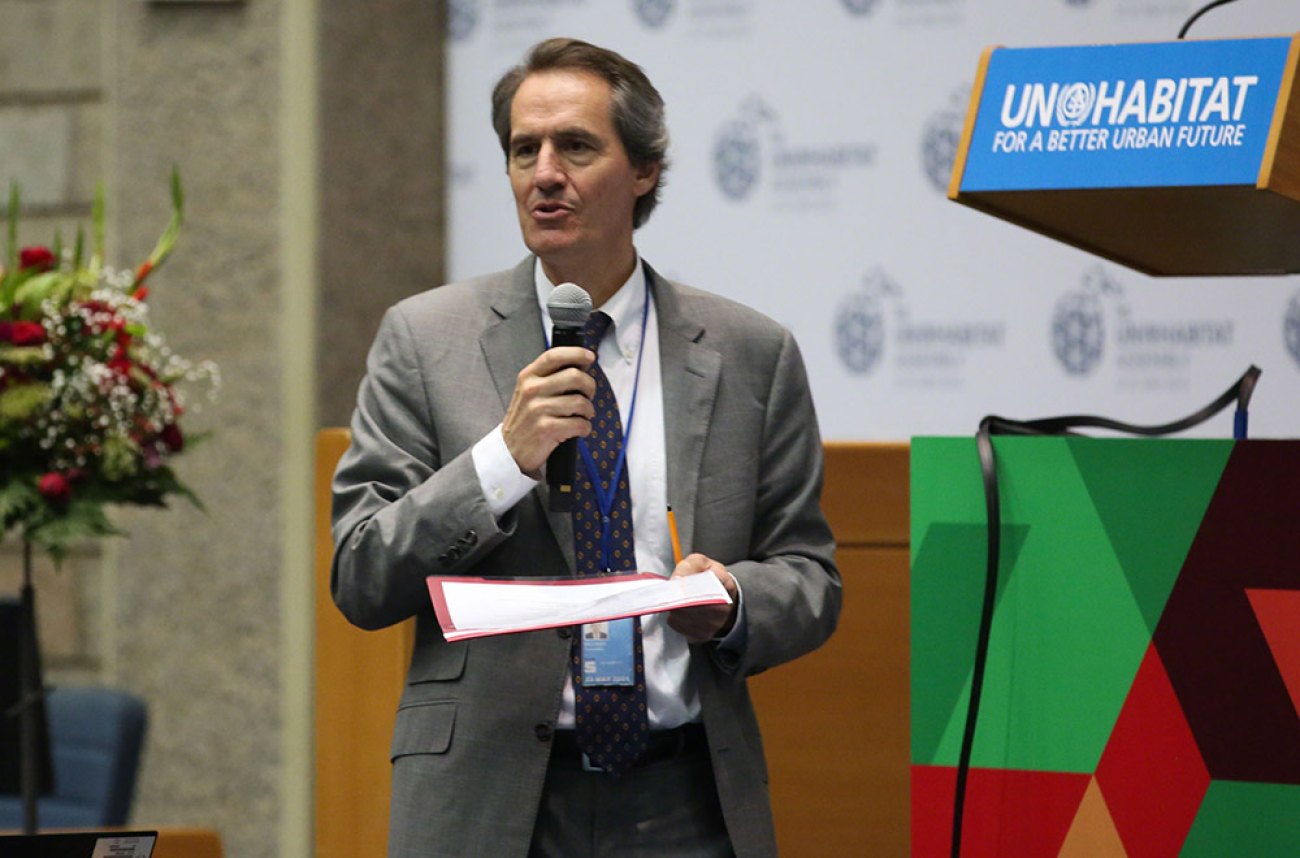
A “roadmap” was how Ms. Mohammed defined the UN's new Systemwide Strategy for Sustainable Urban Development, that was endorsed in early May 2019. She emphasized this Strategy would enable the United Nations to improve urban data collection and diagnostic tools to analyse for inequality, and the impacts of urbanization on economic growth, climate change, and disaster response and prevention.
“Partnerships will be crucial to bringing all this to life,” she noted. “We must enlist the best that civil society, the private sector, academic institutions, the philanthropic community and others can provide.”
The UN Systemwide Strategy for Sustainable Urban Development was created through a collaborative process between senior leadership of 42 UN agencies, as well as leadership of the International Monetary Fund and the World Bank.
The UN-Habitat Executive Director Ms. Maimunah Mohd Sharif reflected on the UN's prioritization of urbanization as a mega trend, and the recognition that urbanization is essential for the attainment of the Sustainable Development Goals (SDGs),
“To promote greater coherence across the UN system, the Strategy identifies four key outcomes: equality/poverty eradication, prosperity and economic growth, climate action and environmental protection, and crisis response and prevention. It is towards these four shared outcomes that we must orient our work,” she said.
UN Environment Acting Executive Director, Ms. Joyce Msuya, said she was a strong believer in UN reforms.
“How we manage our cities will determine our success in achieving the sustainable development goals. With 70 per cent of the infrastructure needed for 2050 still to be built, we have a unique opportunity to lock in sustainable urban development into the design,” she stated,