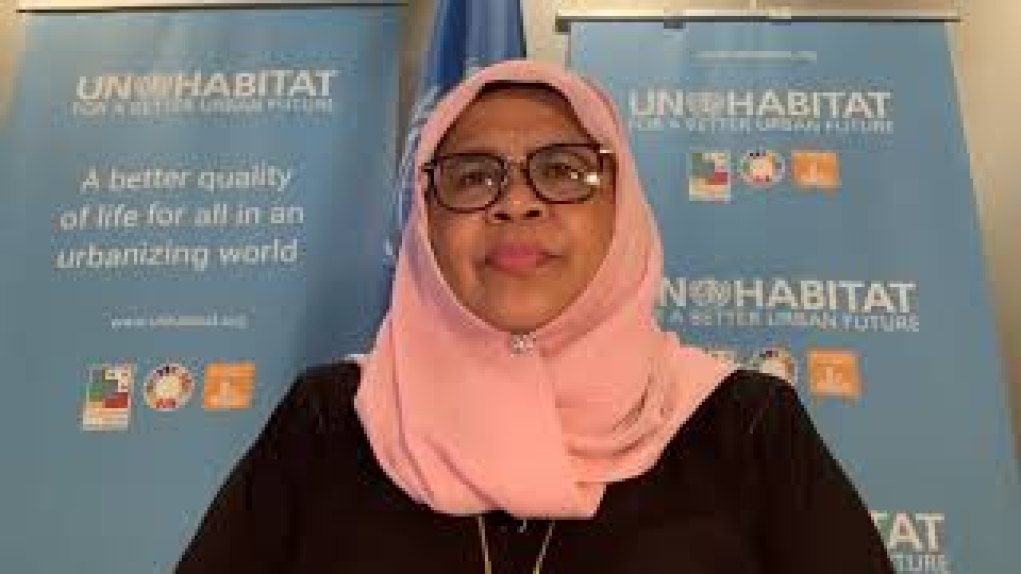
During a virtual Press Briefing to launch the Policy Brief, the UN-Habitat Executive Director Maimunah Mohd Sharif told reporters: “The Secretary-General’s Policy Brief is a powerful instrument to put us on the right path to deal with the crisis and also to seize the opportunity to do things differently in the recovery, so that we can create greener, healthier and more resilient cities. The transformative potential of urbanization towards achieving the Sustainable Development Goals cannot be lost. This moment cannot be missed.”
There are a number of key actions to tackle inequalities suggested in the Brief including providing access to safe shelter and moratoriums on evictions along with longer term policy shifts and investments in adequate housing, slum upgrading and public housing.
UNDP Administrator Achim Steiner told the press conference: “Our programmes continue to address the complex root causes as well as the manifestations of development deficits that destabilize countries and cities. In alignment with the UN’s socioeconomic response framework, UNDP has quickly made available significant resources, technical as well as financial. We have repurposed some projects to support urgent needs where they are deployed and have just launched a USD 100 million financing support mechanism to build on progress from funds we made available to countries when the pandemic hit.”
A resilient, inclusive, gender-equal and green economic recovery is crucial for achieving the Sustainable Development Goals according to the Brief which sees COVID-19 as an opportunity to rethink our cities to address the climate crisis and adapt to the reality of the current and future pandemics.
The Policy Brief is part of a series being issued by the UN-Secretary General to provide ideas to governments on how to address the crisis as part of the UN Comprehensive Response to COVID-19 to save lives, protect societies and recover better. UN-Habitat led the collaborative work to provide inputs into the Brief with a wide range of UN agencies including UNDP, UNDESA, UNEP, UNICEF, UNODC, ILO, WHO, OHCHR, along with Regional Economic Commissions and local government networks.
Read the