Nairobi, 23 May 2022 – One of the unique skills that UN-Habitat brings to the humanitarian world is its ability to take a macro approach to the same problem in various countries, while still respecting individual particularity in each nation. That approach brings consistency, durability, and sustainability to urban development planning and implementation.
Many of the countries in which UN-Habitat works suffer from massive influx of migrants and refugees, which add to the already-shrinking infrastructure resources in host countries.
UN-Habitat’s Urban Planning and Infrastructure in Migration Contexts (UPIMC) programme is one such example which aims to improve access to reliable services and socio-economic opportunities for all, including migrants and displaced populations in urban settlements.
Funded by Swiss State Secretariat for Economic Affairs (SECO), UPIMC is implemented across three countries to support municipalities with a long-term approach that connect migration and neighbourhoods affected by displacement with improved access to public services.
The goal will be achieved through identification and design of bankable infrastructure investments. A participatory process is also leveraged to ensure that solutions developed remain sustainable in the long-term, and nurture ownership from the outset.
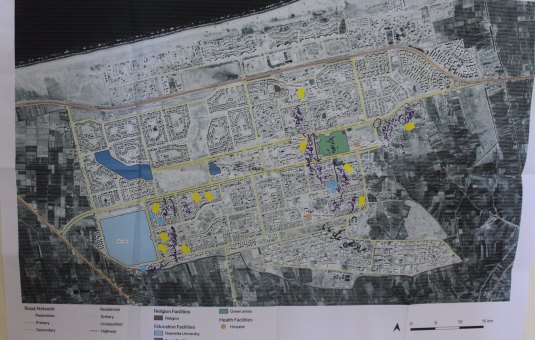
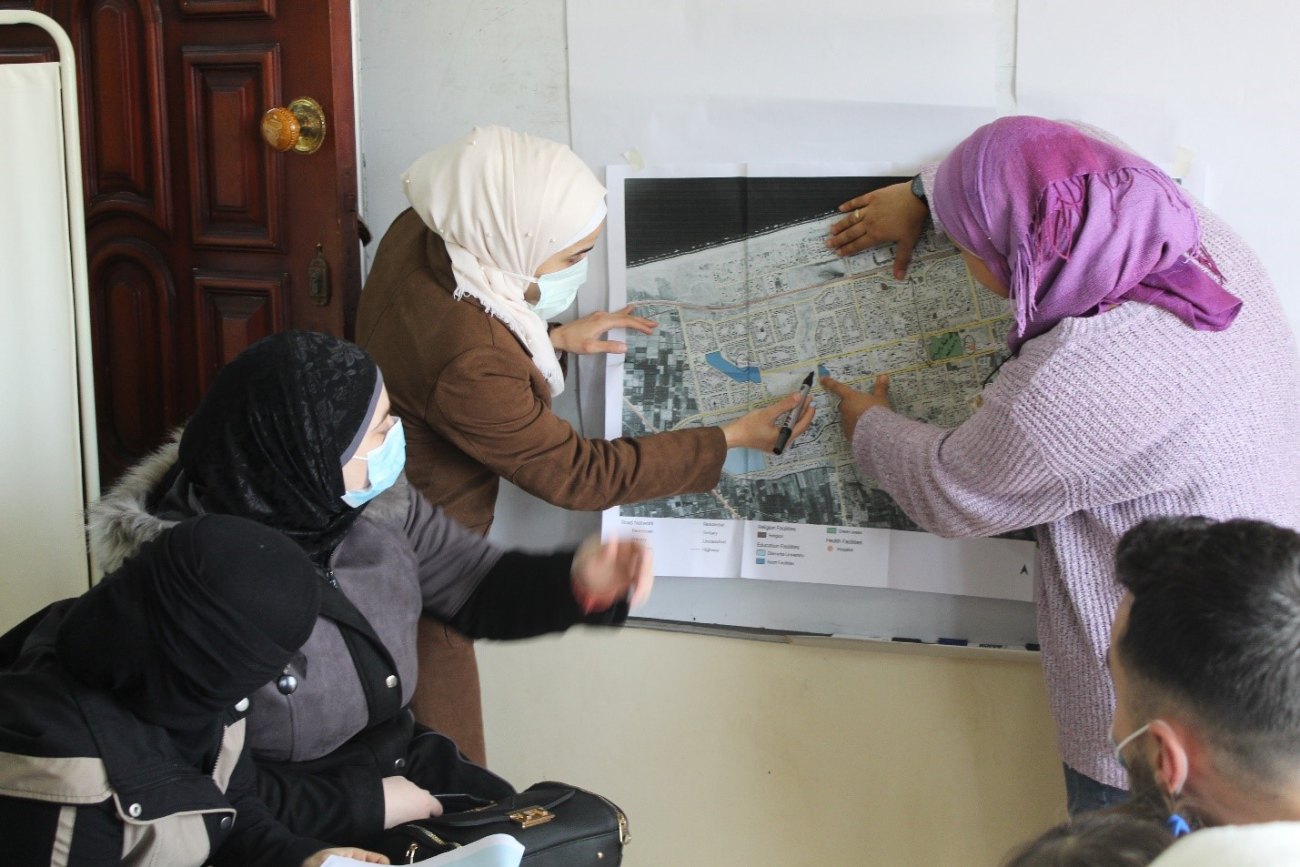
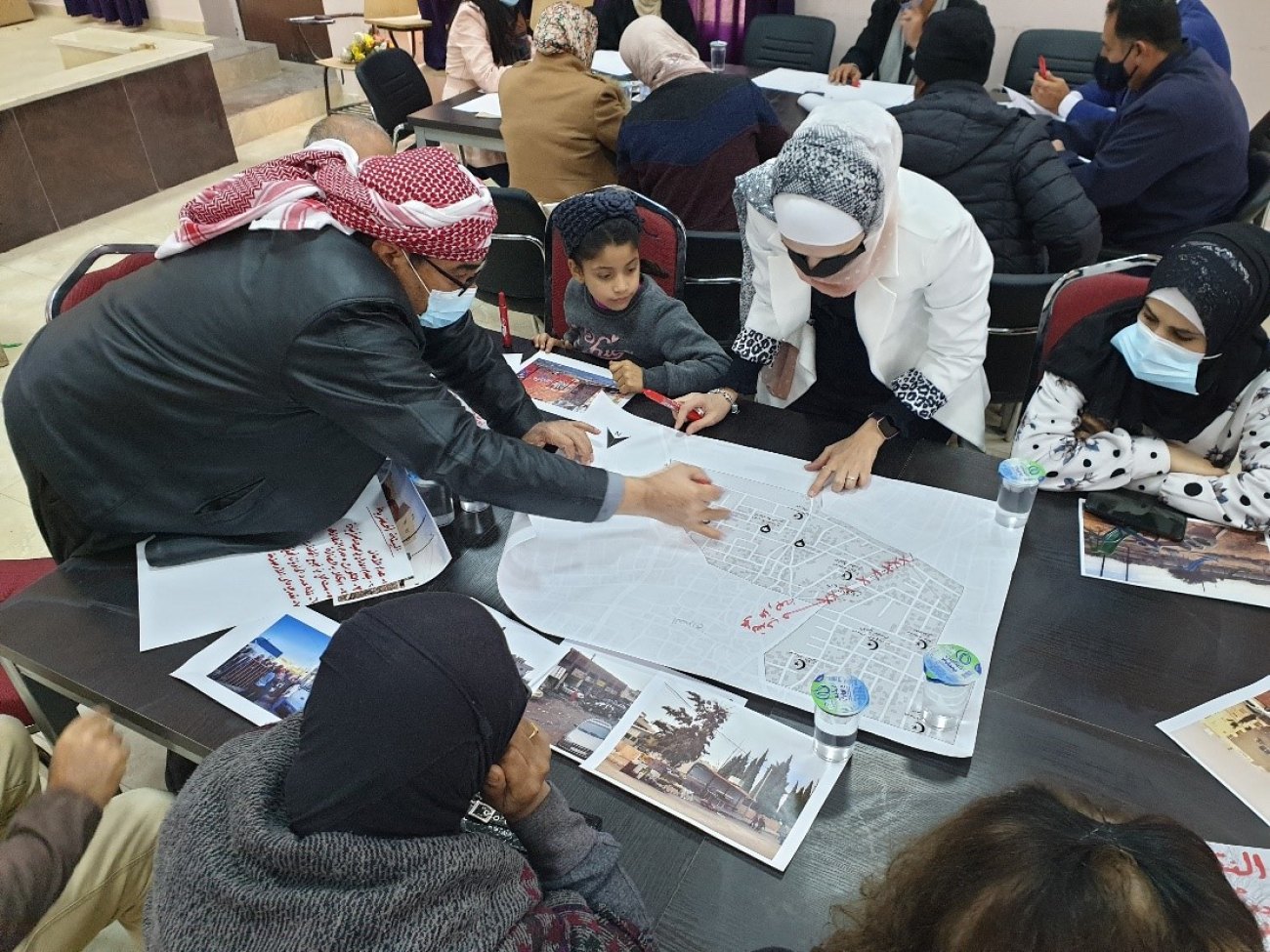
The programme has made steady progress, developing spatial profiles to identify and map challenges, provisions, and gaps in public infrastructure services in coordination with humanitarian interventions at the national, regional, and local levels. This article will outline the spatial planning updates achieved where the programme is implemented in Cameroon, Egypt, and Jordan.
Cameroon
Since December 2021, UN-Habitat has finalised the first part of the multi-scalar and multi-sector spatial profile in Cameroon to understand its context and identified Mambanda as a pilot neighbourhood to initiate support.
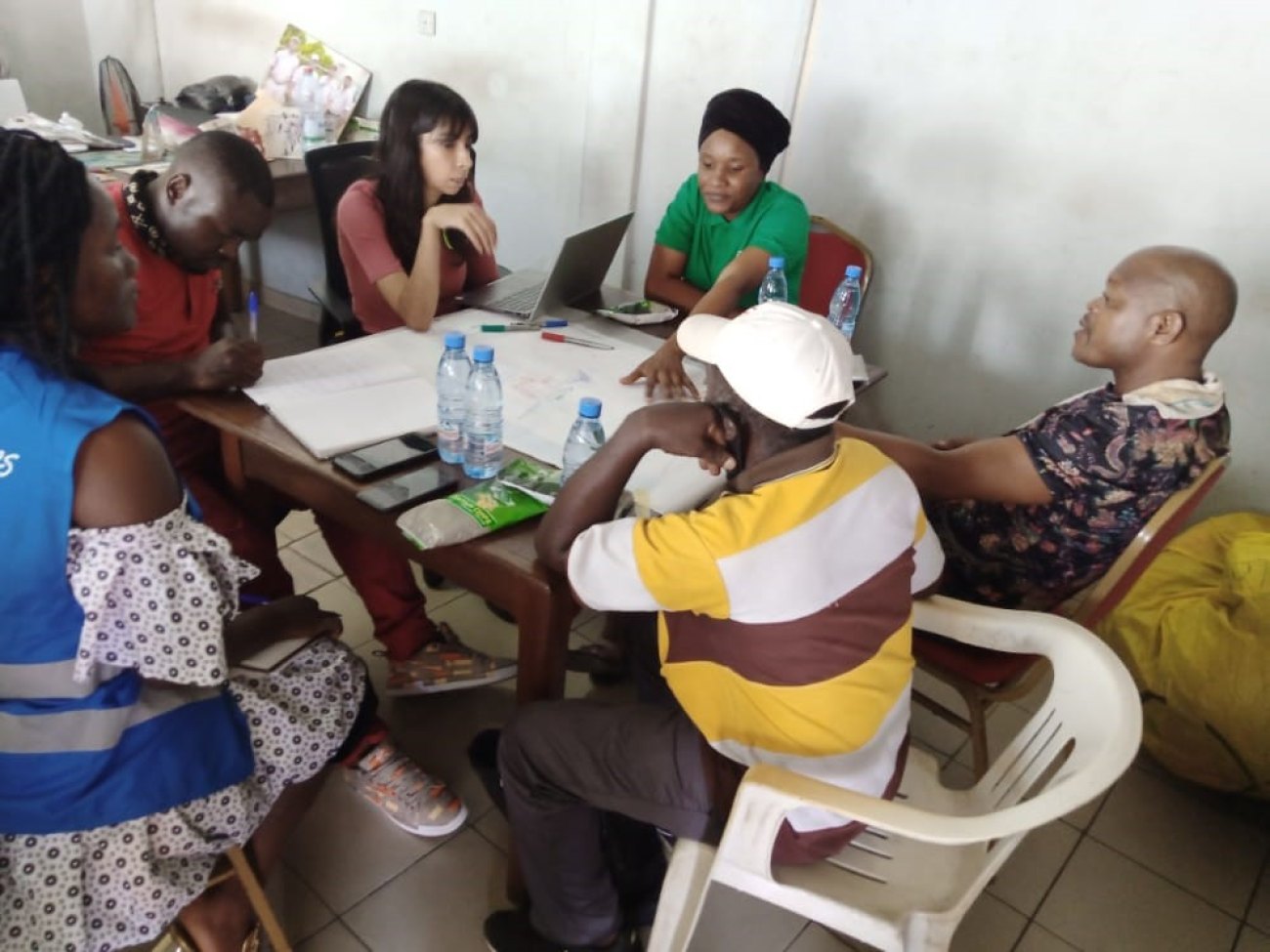
To strengthen the integration of displaced persons, UN-Habitat formed a technical committee with Douala 4’s town hall, Mayor, and Mambanda’s displaced community representatives, including women and youths. The first meeting was crucial in developing consensus among members on the methodologies of the programme and validated findings from the spatial profile. Multi-stakeholder engagements like that meeting, especially in contexts like Mambanda, are critical strategies in ensuring that the narrative will remain inclusive for both the locals and displaced.
The second component of the programme continues with ’Visioning’, which brings together stakeholders to develop a common vision for the future of Douala 4. This is complemented by an evidence-based approach, with desktop research and stakeholder engagements developing a matrix of challenges and opportunities present in Douala 4 and Mambanda district.