Amman, Jordan, 13 June 2022 – With increased urbanization and significant climate change impacts in the Arab region, UN-Habitat Regional Office for Arab States, in cooperation with the United Nations Environment Programme (UNEP), seeks to enable government officials and adaptation experts from the Middle East and North Africa to minimize the vulnerability of cities to the impacts of climate change through capacity-building.
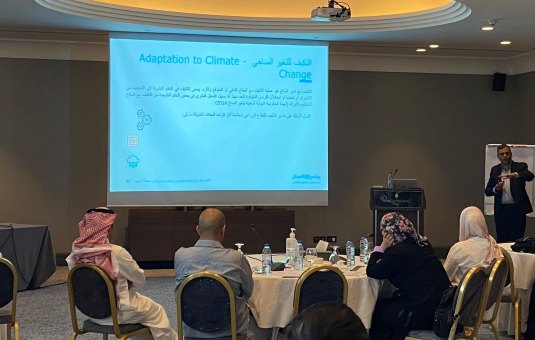
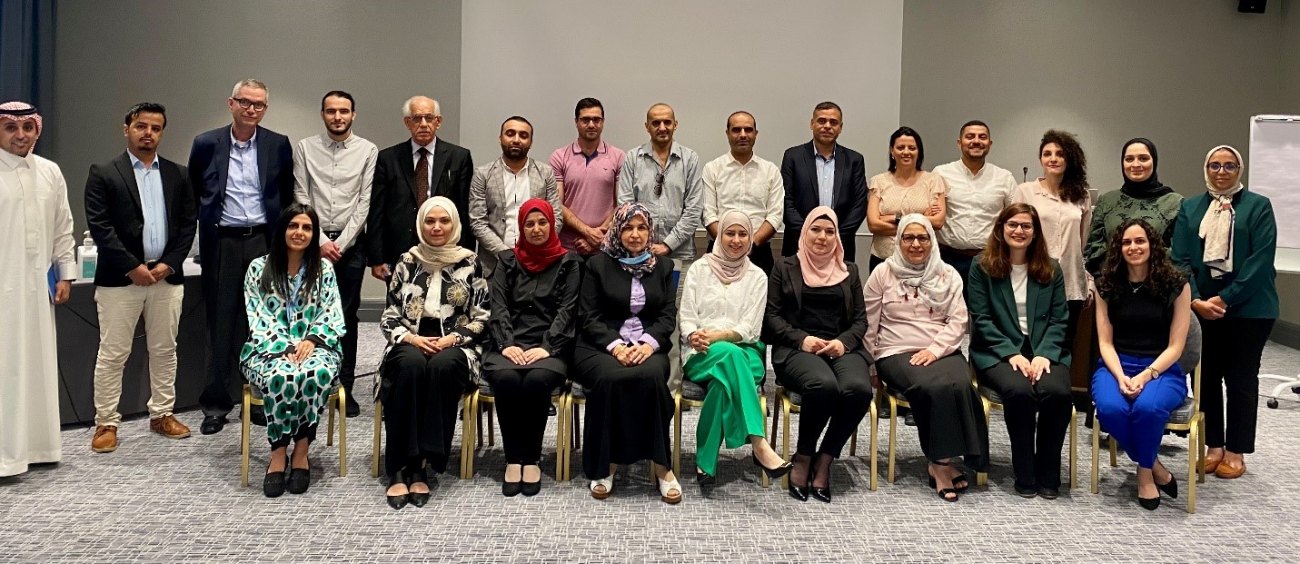
Through a three-day training course in Jordan that took place in the last week of May, UN-Habitat and UNEP increased the capacity of experts to effectively integrate Urban Ecosystem-based Adaptation (EbA) into the adaptation strategies in their respective countries.
A group of diverse guest speakers from governments and the industry also highlighted different perspectives and experiences of EbA application. The training could also support in unlocking potential funding and building a programme at the regional level.
EbA, which is gaining increasing attention from the international community, is defined as "the use of biodiversity and ecosystem services as part of an overall adaptation strategy to help people to adapt to the adverse effects of climate change."
“Continuing to support climate action in the Arab region for sustainable urbanization and building the capacity of cities to address the impacts of climate change, UN-Habitat is keen to support nature-based solutions and Ecosystem-based Adaptation,” Erfan Ali, UN-Habitat Regional Representative for Arab States, said in his opening remarks. “UN-Habitat is keen to continue its cooperation with UNEP with the aim of promoting adaptation to climate change in Arab cities and building capacities in the area of green recovery.”