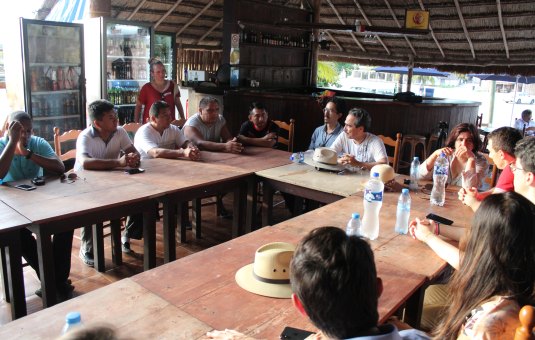
The first meeting was held in Merida, the capital of the state of Yucatan. Here they met with government representatives, and defined a collaboration framework that will include various lines of action, work programs and specific commitments that will be put in place for project planning and implementation.
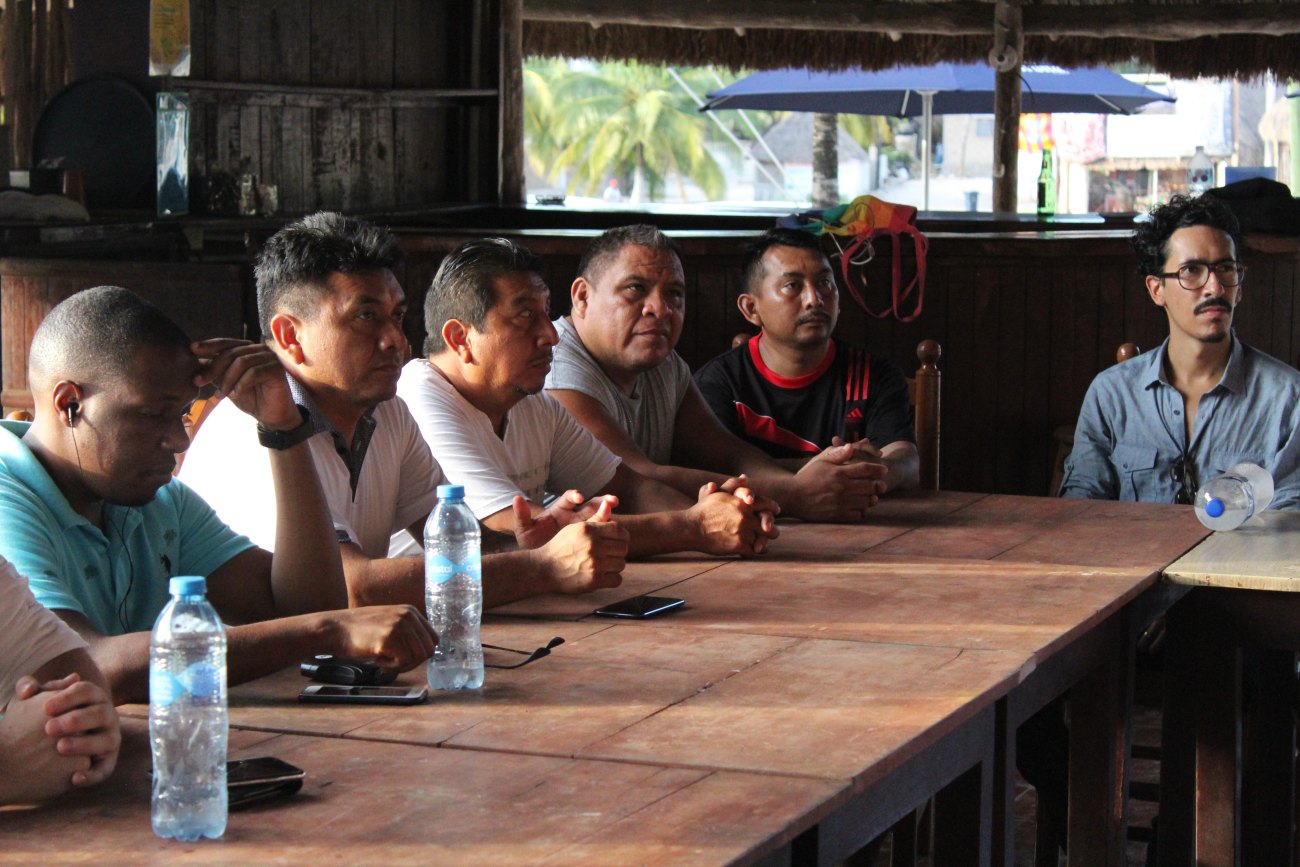
Later, the UN-Habitat team met with representatives of the Mayan community of Coba, who expressed their questions, concerns, needs and expectations about the project. UN-Habitat asked the community to stay involved, so that they can decide the type of development they want from the Mayan Train.
“The benefits of the Train will only come if the community joins as the protagonist of the project,” said Eduardo López Moreno, Director of UN-Habitat México, “and that means that it is you who decide the changes and the future of your community.”
UN-Habitat reiterated the commitment to protect the interests, culture and traditions of the indigenuos communities and the Maya people while ensuring they benefit from the Maya Train project.
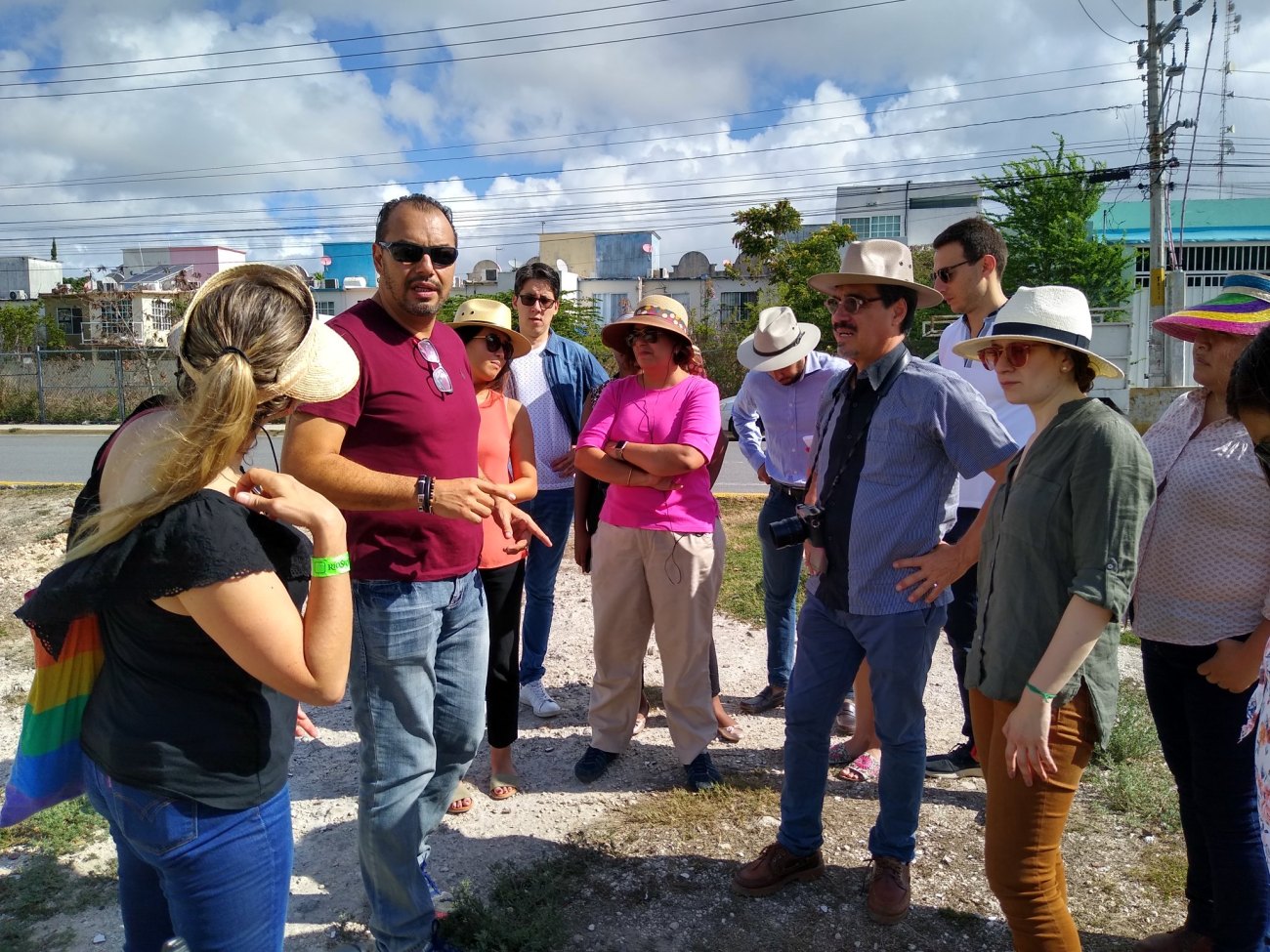
On the last day of mission, UN-Habitat met in the city of Cancun with the Special Projects Agency of the state of Quintana Roo (Agepro). Several points were visited where strategic urban interventions will be carried out in the city, including the passage of the Mayan Train.