Vulnerable communities
UN Habitat’s immediate priority is to serve those who are most at risk, ensuring they have resources to protect themselves, Dato’ Seri Maimunah says.
Migrants, refugees, the internally displaced, and informal settlements have been hit particularly hard by the pandemic. They lack access to water, sanitation, and formal health services, making it harder to isolate, maintain physical distances or frequently wash hands.
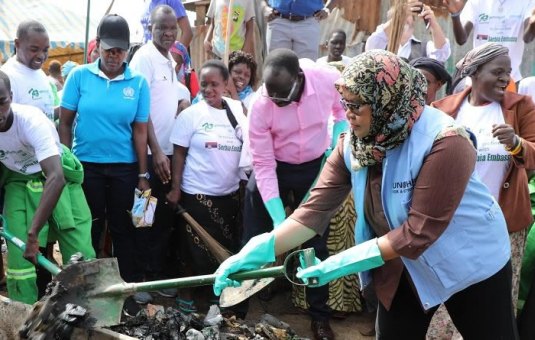
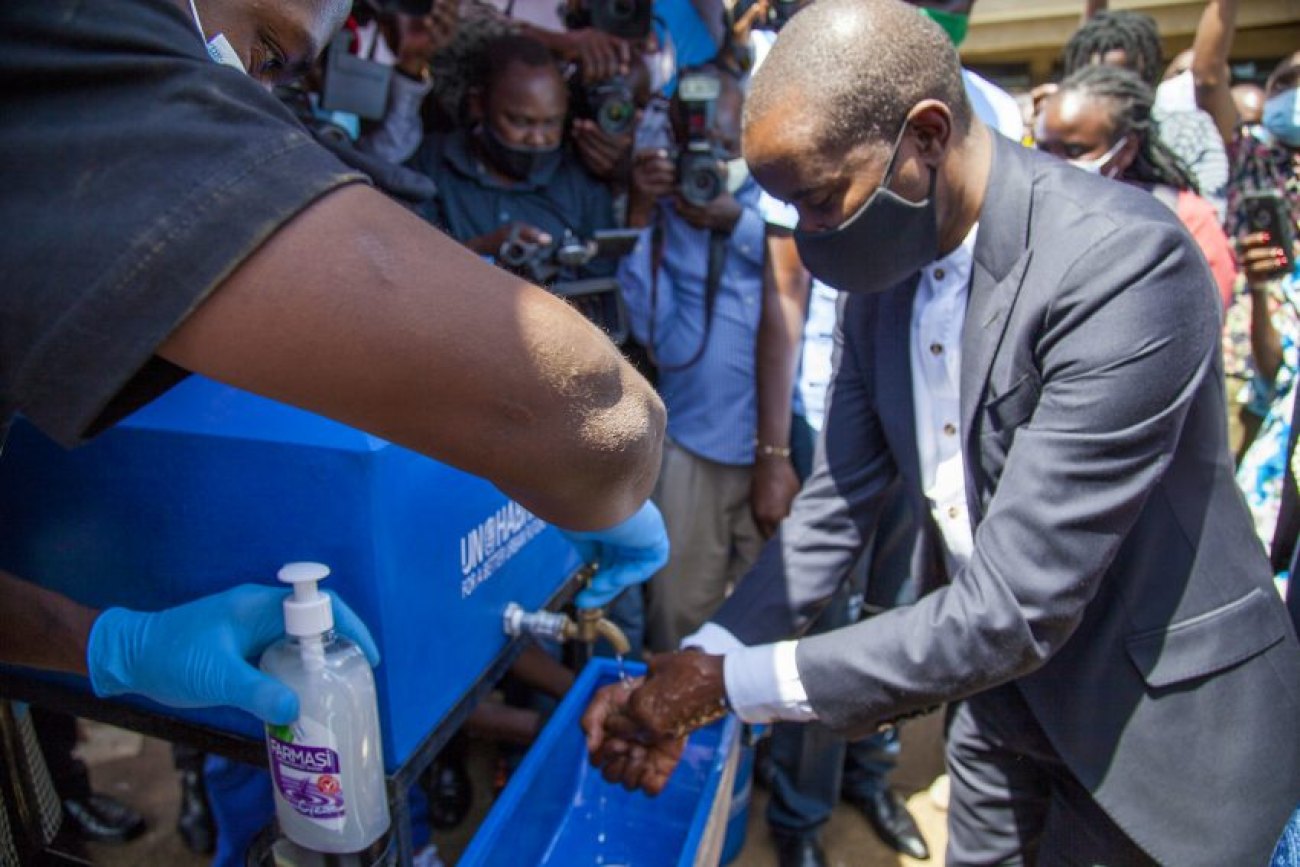
The agency is rolling out initiatives in informal and migrant settlements across the world. In Egypt, the agency is using river filtration technology to expand access to clean water and sanitation. In Myanmar’s Rakhine state, they are installing public hand wash stations. And in Tunisia, they have helped develop a Covid-19 information app. UN Habitat’s efforts must promote inclusivity and leave no one behind, Dato’ Seri Maimunah says.
Migrant workers
Governments must do more to ensure that migrant communities receive equal protection, she believes. “Recovery programmes should never be enforced with discrimination”.
A “whole-of-government and whole-of-society approach” will allow cities to support migrants, she adds, while considering their needs across multiple areas like culture, health, housing and technology.
For instance, migrants may not have access to important public information on the pandemic in their own languages. “Cities should always provide information in different languages”, Dato’ Seri Maimunah says, and make sure it caters to the disabled.
Officials have to be aware of the “digital gap” in access to internet and digital devices too. Children from vulnerable families should continue to have access to quality education online, even as lockdown restrictions prevent them from going to classrooms.
UN Habitat advocates an “area-based approach” to tackling the pandemic, by understanding the needs of a community as a whole, rather than targeting specific groups within a location. “The government must include migrants at this moment of a pandemic, irrespective of the migration status, in the service provision scheme,” she says.