Nature restoration is an integral tool in improving preparedness to climatic events. As a departure from reactive responses to climate change, it highlights the importance of working with nature rather than against it to protect communities and their livelihoods. This is not only an effective strategy to reduce the impact of flooding but to support cities attempts to improve biodiversity.
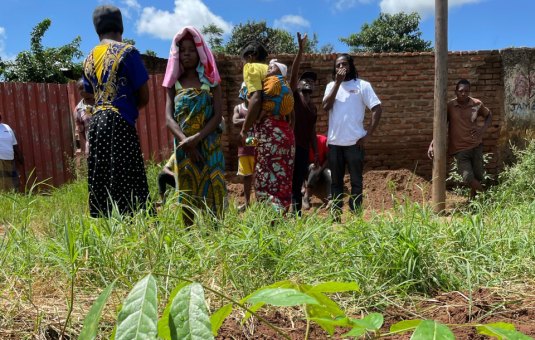
To ensure the success of this project, community engagement is critical. In the past, initiatives failed to gain traction. Many trees have not survived due to a lack of care or theft.
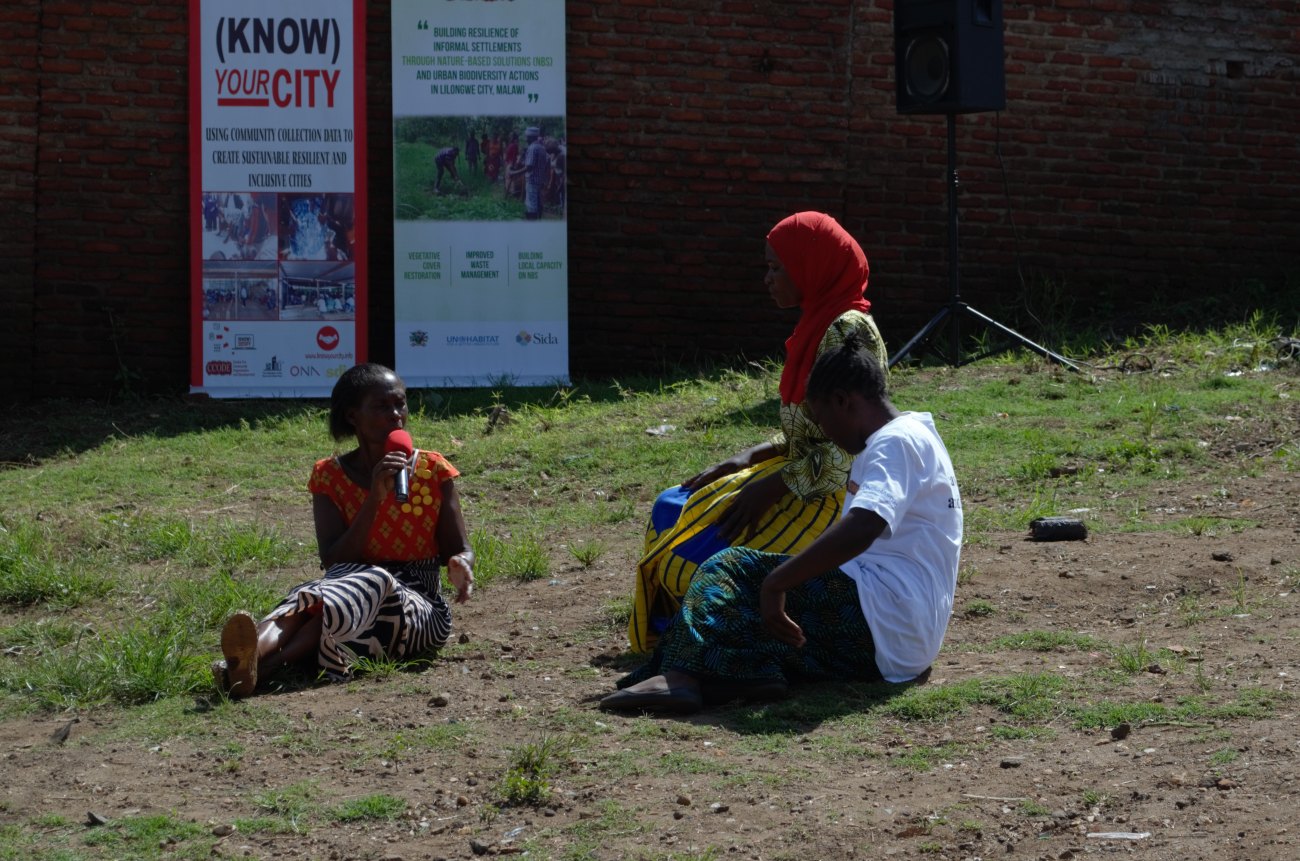
In response, CCODE, in partnership with Lilongwe City Council, are engaging communities, developing local governance structures on an array of issues such as disaster risk management, mobilisation and sanitation, and raising citywide awareness engaging schools, block leaders and the private sector on the importance of NbS for community resilience.
In the future, the council aims to expand the role of residents beyond the rainy season, encouraging them to take initiative and to assist in the preservation and maintenance of planted trees. This aligns with Lilongwe’s longer-term intention: to inspire citizens take ownership of their natural environment.
The pilot intervention, alongside initiatives such as the Lilongwe Ecological Corridor initiative, promise an alternative and greener vision for Lilongwe. Malawi continues to build on the progress made in Africa, pioneering nature-based solutions alongside ecosystem-based adaptation measures, to serve as an example both across the region and the globe.
The project’s universal message is that interventions which integrate climate change adaptation, biodiversity and resilience go hand in hand. More must be done to shift the balance of programmes from one of shock-response to disaster risk management.