Go Blue will be implemented in cooperation with the Jumuiya ya Kaunti za Pwani (JKP) together with national government ministries such as the Blue Economy Secretariat, Ministry of Agriculture and Fisheries, the Kenya Coast Guard Service, Ministry of Interior, Ministry of Transport and Bandari Maritime Academy. All implementing partners will apply different but complementary strategies to implement the initiative: The four EU Member States – France, Germany, Italy, and Portugal – are providing their expertise in fostering economic growth, while the two UN agencies – UN-Habitat and UNEP – will ensure that interventions are in line with obligations of environmental conservation and urban planning, and to adapt and mitigate coastal cities and communities against adverse effects of climate change.
Specifically, UN-Habitat and UNEP will provide support to all six counties to develop and mainstream the conservation and sustainable use of coastal urban and marine environments. The agencies’ aim is to promote integrated land-sea planning and management in Kenya’s coastal areas to ensure healthy and productive marine ecosystems and resources as a prerequisite for a sustainable blue economy in Kenya through 3 key methodologies:
- an integrated, ecosystem-based land-sea planning and management framework, crucial to improve ongoing spatial planning efforts in counties
- a regional land-sea vision that will help prioritize blue economy-related issues at large
- targeted mapping, data collection, data analysis and assessments related to spatial planning (both land and sea) and ecosystems assessments
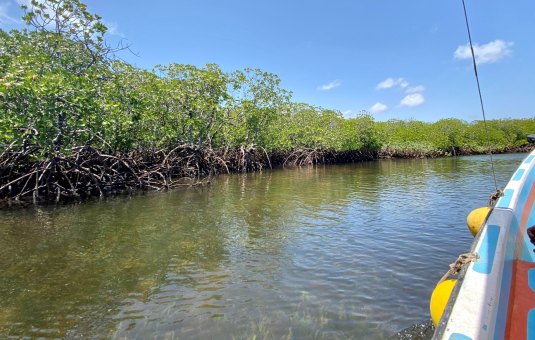
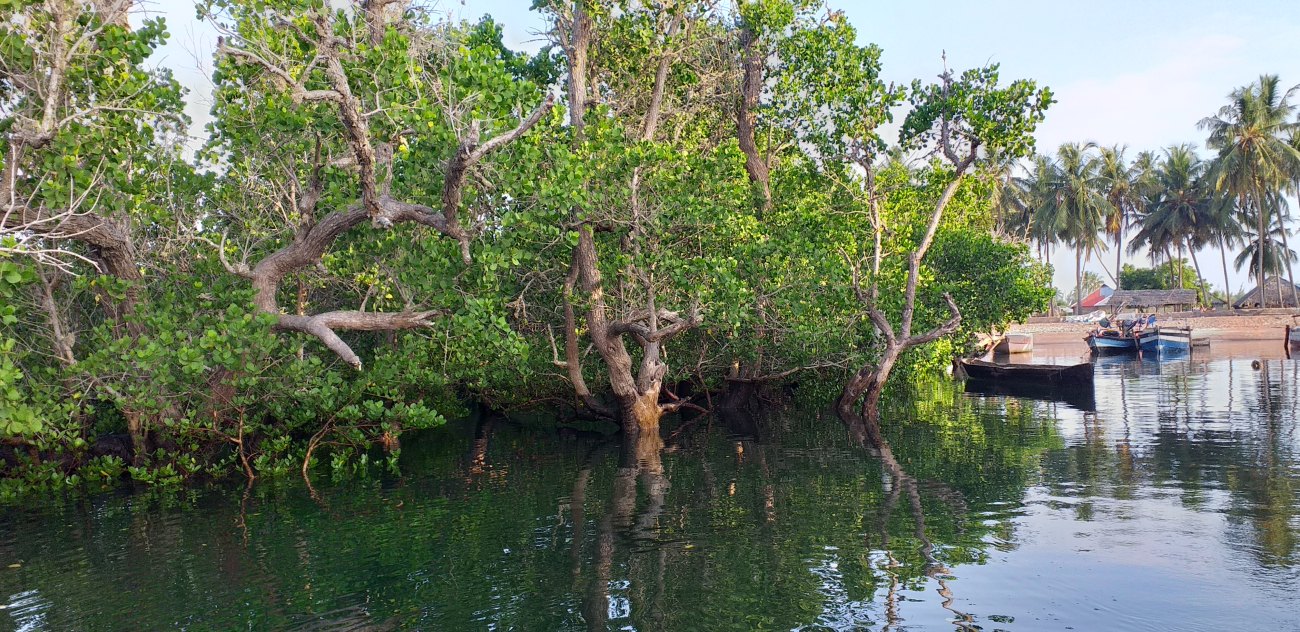
This will feed into the establishment or upgrading of each county’s GIS data lab, as well as a regional GIS data hub, to strengthen data related to land use changes, urbanization and environmental change patterns, marine and coastal natural assets, and issues related to human activity (e.g. fisheries, tourism, waste). In addition, the project plans to implement key pilot activities in the areas of public space, waste management, constructed wetlands, MPA management, blue carbon, mangrove restoration, spatial planning at all levels, and community empowerment through business and livelihoods support, among other activities.
The information and evidence from all project activities will be used to support the replication in towns across the JKP area through the project’s online knowledge sharing platform and various trainings aimed at strengthening all stakeholder’s capacities, particularly women and youth. Furthermore, four counties will have developed their own land-sea planning proposals as a result of the project, and six innovative pilot activities will be funded by investors that directly contribute to the blue economy and land-sea planning.