Turning floods into opportunities in Kenya’s Nakuru
Description
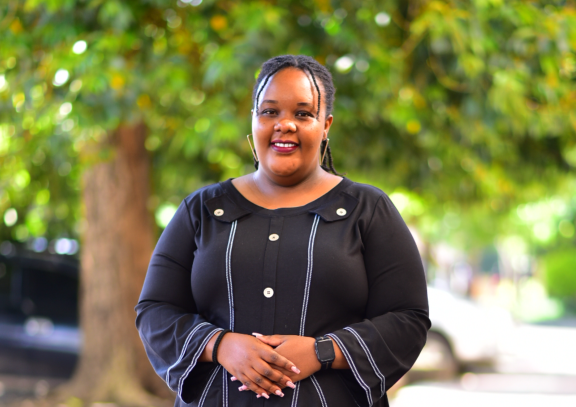
Susan Njuguna has seen it happen too many times: heavy rains sweep through Nakuru, and factories grind to a halt. Machinery is damaged, production stops, and the local community feels the impact. As Regional Coordinator at the Kenya Association of Manufacturers (KAM), Susan works closely with businesses affected by flooding.
Nakuru, in Kenya’s Rift Valley, is a rapidly growing city where manufacturing, agro-processing, construction, and tourism drive the economy. Many factories sit in low-lying industrial areas, making them especially vulnerable to flooding.
For Susan, finding solutions meant rethinking how the city manages water. Through the Water as Leverage (WaL) initiative – run by the Netherlands Enterprise Agency with UN-Habitat, Vitens Evides International, and the Dutch Embassy – she discovered how urban design can turn water from a threat into a resource. Using nature-based solutions like rooftop gardens, lawns, and parks, the program aims to reduce flooding and support inclusive growth.
Description with Image
“The best thing for me was the listening aspect. They were really listening to everyone, the residents and even the business owners,” Susan recalls. “If you want to help Nakuru, you must understand its environment.”
Seeing the approach in action at Nakuru’s Water and Sanitation Service Company, Susan realized how small, practical changes could make a big difference. The demonstration showed how vegetation and shaded areas can cool industrial spaces and retain water instead of letting it overwhelm the city.
Inspired by the pilot, KAM members began greening their own premises. They planted trees, added lawns, and donated seedlings to the surrounding community. “It’s a collective effort,” Susan says. “We even hire local labour to help plant them. When everyone takes part, the impact lasts.”
The initiative is also opening business minds to sustainability. Companies are exploring ways to store rainwater and treat wastewater, creating new livelihoods around Lake Nakuru, where fishing and tourism are beginning to thrive. “When we take care of the environment, the economy benefits too,” Susan notes.
For Susan, the WaL experience has shifted the city’s perspective on water. “This project sells itself,” she smiles. “It’s solving real problems like flooding and water shortages, but it’s also showing us how to turn those challenges into opportunities.”