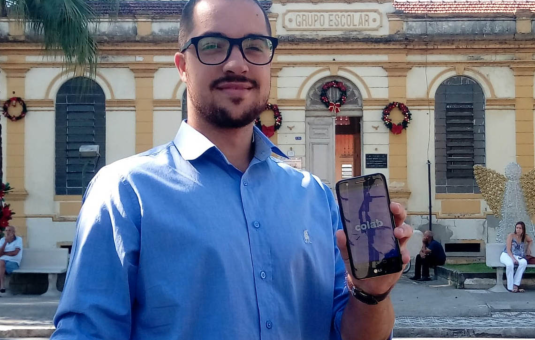
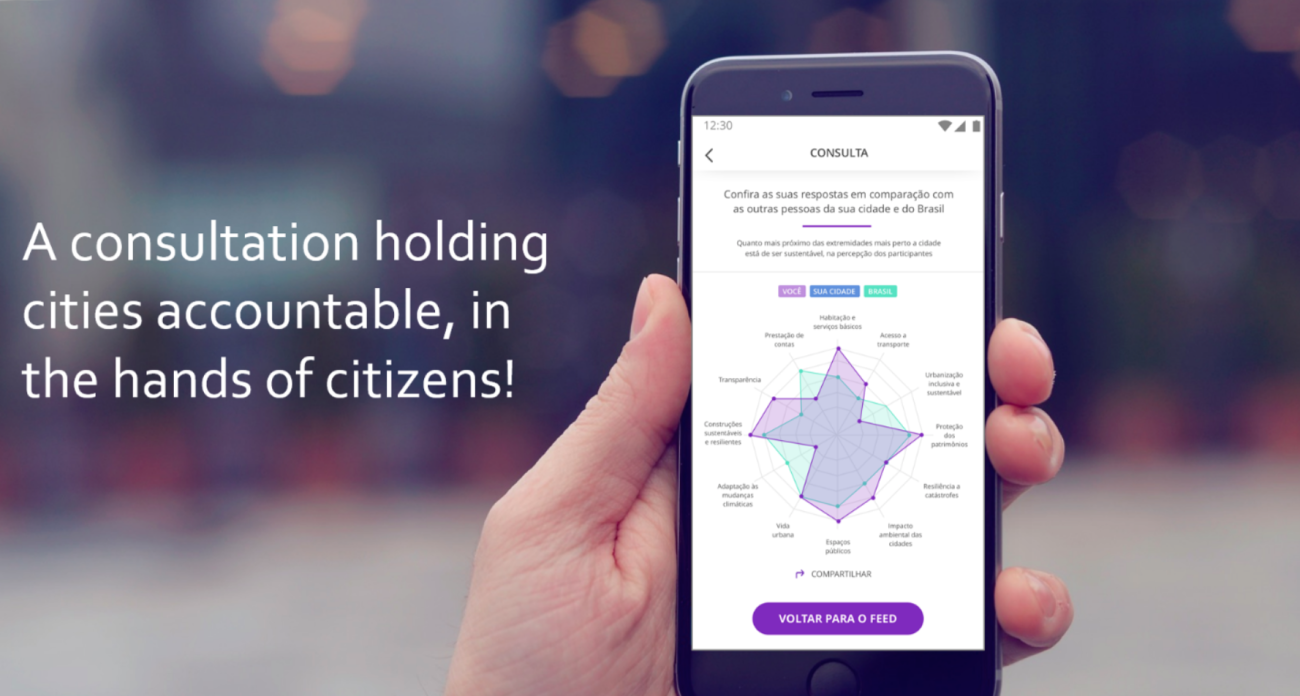
After the results of the consultation were released, Rede Globo, Brazil’s largest television broadcaster showcased the initiative in their news segment. Since then, two Brazilian cities, Belo Horizonte and Niterói, have adopted the app as an official means of consultation with citizens, and the National Federation of Municipalities in Brazil has endorsed it as a tool for increasing citizen engagement in local governance. Beyond Brazil, the initiative was featured in the quarterly edition of the United Nations Innovation Network’s 2018 Report, as well as UNDESA's SDG Good Practices and Success Stories on SDG Implementation.
This initiative is part of the wider Accountability Systems for Measuring, Monitoring and Reporting on Sustainable City Policies in Latin America project being implemented by UN-Habitat and the Economic Commission for Latin America and the Caribbean (ECLAC), with funding from the UN Development Account.
Brazil has witnessed rapid urbanization since the mid-twentieth century. In 1950, just over 36 per cent of the population lived in urban areas, in 2015 this reached over 87 per cent. This trend is projected to continue, and by 2030 it is estimated that 90 per cent of the population will reside in urban areas.
UN-Habitat works for a better urban future. Working in over 90 countries, the United Nations programme for human settlements promotes the development of socially and environmentally sustainable human settlements and strives for adequate shelter with better living standards for all. UN-Habitat’s mission is to promote transformative change in cities and human settlements through knowledge, policy advice, technical assistance and collaborative action, leaving no place and no one behind.