New York, 26 April 2022 – The effects of COVID-19 have set the world back from achieving the 2030 Agenda’s goals and targets. But, as stated by the UN Secretary-General: “We are neither hopeless nor helpless.”
This pushback has made it clear that to recover from the current crisis and prepare to better respond to the next one while achieving the Sustainable Development Goals (SDGs) requires scale and ambition and more emphasis on integration, partnerships, and collaboration.
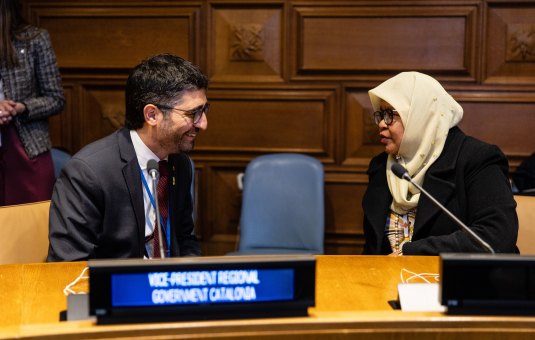
Bearing this in mind and aiming to maximise efforts and scale for impact, UN-Habitat has joined forces with the Regional Government of Catalonia in Spain. The partnership that aims to calibrate the methodology of the current City Resilience Global Programme for a territorial and regional implementation could serve as a powerful lever for the Sustainable Agenda.
To date, the methodology of the Programme has been tested in very different cities and urban realities around the world, such as Asunción, Barcelona, Dakar, Maputo, Medellín, Port Vila, Teresina, and Yakutsk. For the first time, UN-Habitat will implement the City Resilience Global Programme in a territory.
Terres de l’Ebre –a depopulated area vulnerable to climate change- has been selected as the pilot territory where UN-Habitat and the Catalan Government will collaborate to adapt the programme’s methodology to territories and areas larger than cities. The aim is to adapt the indicators and recommendations to this new scale of work, bearing in mind that it involves more diverse actors and different levels of government.
The program is projected to last four years. During the first year, work will be done on data collection of the situation in Terres de l’Ebre through joint work with the regional government and the participation of all actors in the territory, followed by a diagnosis of weaknesses and opportunities.