Amman, January 2021 – In a notable example of cross-regional collaboration, UN-Habitat kicked-off the implementation of the participatory City Resilience Action Planning tool (CityRAP), in its ‘light’ version in Amman, Jordan.
The tool has been modified to specifically address the issue of flashfloods in downtown Amman and was delivered through a hybrid virtual and in-person modality in compliance with COVID-19 rules for gatherings and social distancing.
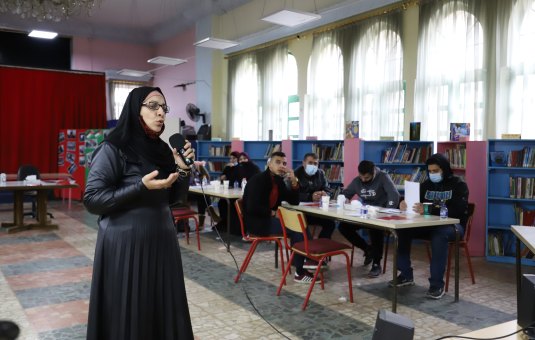
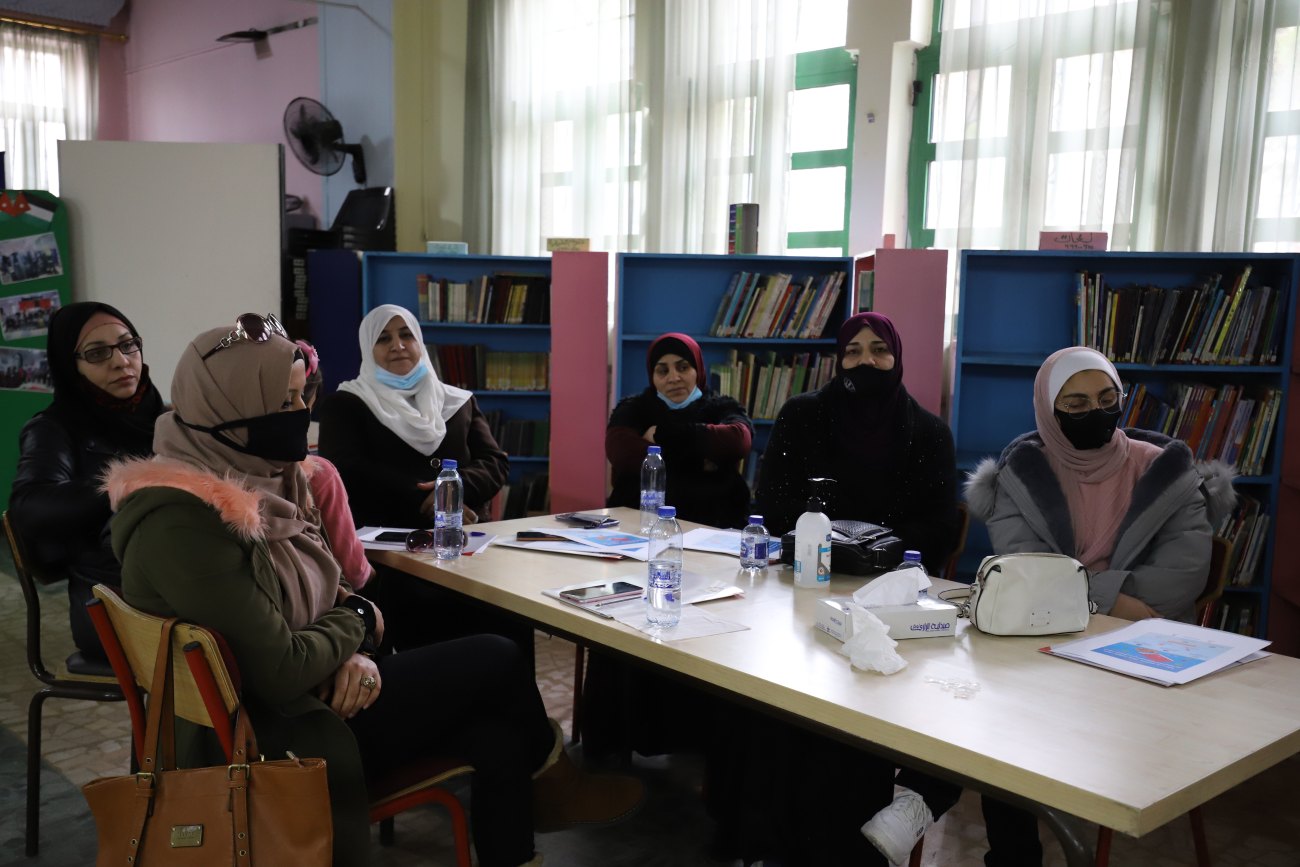
The workshop, led by UN-Habitat Jordan Office and supported by UN-Habitat Regional Office for Africa (ROAF), included interactive sessions to introduce participants to the concepts of urban resilience and disaster risk management, discuss the issues and challenges in the city, and suggest potential solutions.
With over 40 attendees, the workshop saw participation from relevant departments at Greater Amman Municipality, youth, women, persons with disabilities, Municipal Council of Children, Syrian refugees and local community representatives.
CityRAP is a participatory planning process that uses a sequence of highly interactive workshops, exercises and activities to enable urban communities and stakeholders to determine their area’s most pressing resilience building needs through a fully inclusive effort. CityRAP was developed by the Regional Office for Africa together with the Technical Centre for Disaster Risk Management, Sustainability and Urban Resilience (DiMSUR).
Since 2016, CityRAP has been implemented in 30+ locations in 11 countries across Southern Africa. This is the first time CityRAP is being taken out of Africa and implemented in another region. This experience will be a test of the tool’s flexibility to adapt to different geographic, cultural and socioeconomic contexts, and can open up opportunities for further applications around the world.
This collaboration and CityRAP implementation comes as part of the project 'Strengthening the social stability and resilience of vulnerable Jordanian communities and Syrian refugees in Amman against flash floods', funded by the Japan Supplementary Budget (JSB) and implemented by UN-Habitat’s Regional Office for the Arab States. The project aims to improve urban resilience status in Amman, by strengthening the capacities of the government and community dwellers, to reduce the vulnerabilities of refugees and manage flood disasters better.