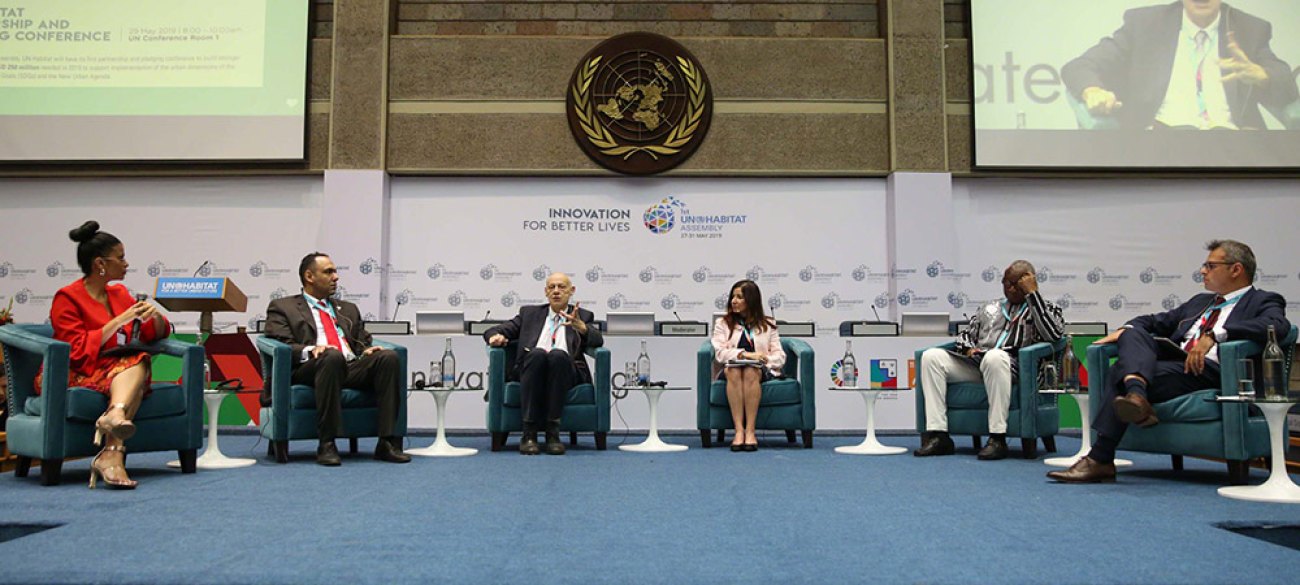
Nairobi, May 2019 – At UN-Habitat’s first Partnership and Pledging Conference at the first UN-Habitat Assembly, over USD 152 million in contributions and commitments were announced to finance UN-Habitat’s work, to make cities inclusive, safe, resilient and sustainable.
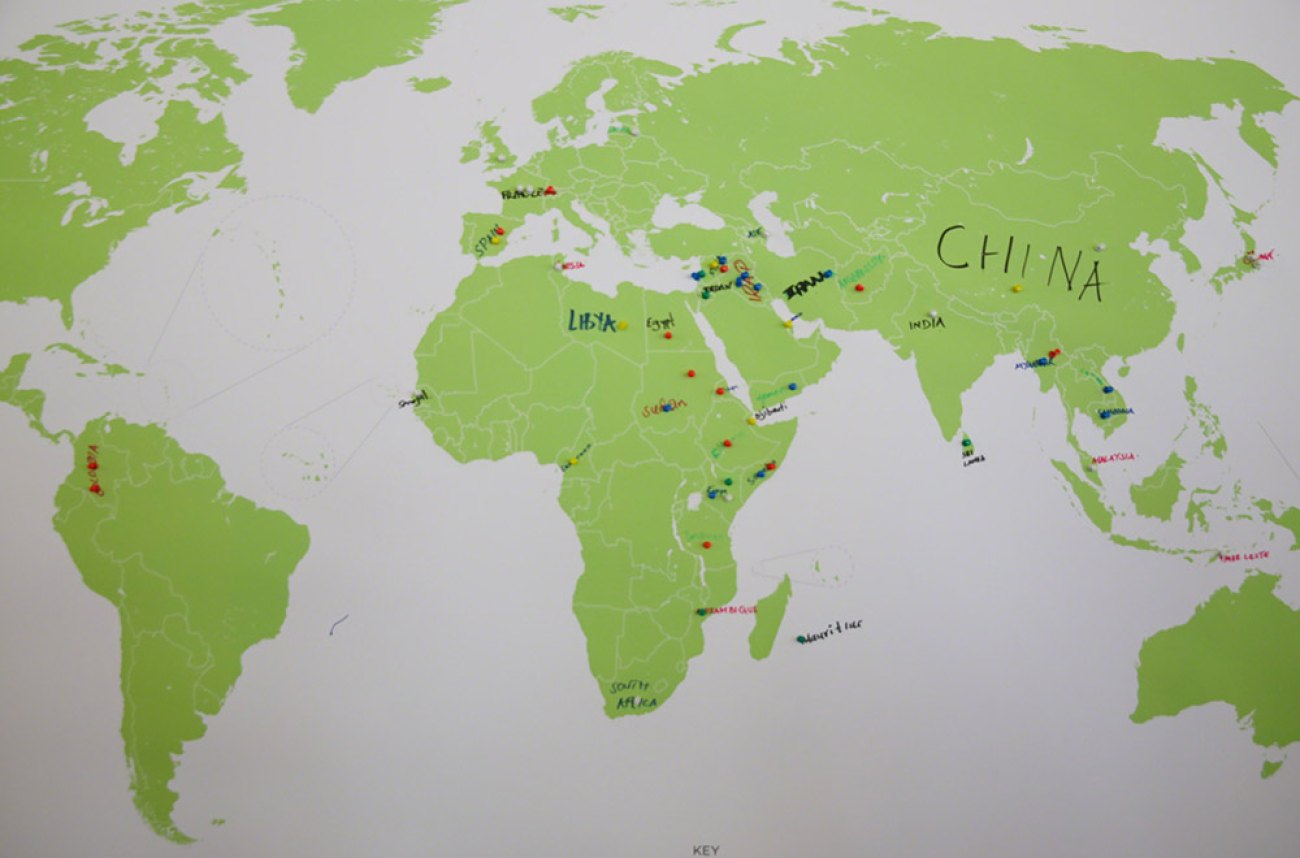
More than 150 partners met on the side-lines of the Assembly. There were pledges from 38 governments, 10 local governments, 32 organizations and 7 companies, demonstrating clear global commitment to UN-Habitat to support cities and communities to achieve the urban dimensions of the Sustainable Development Goals.
Maimunah Mohd Sharif, UN-Habitat Executive Director outlined her vision and UN-Habitat’s Strategic Plan to enable countries to reduce spatial inequality and poverty, enhance prosperity of cities, strengthen climate change action, improve the urban environment, and mitigate and respond to urban crises. The Plan is firmly grounded in the principles of social inclusion and human rights, women, children, youth, the elderly, the disabled, and other vulnerable groups. UN-Habitat will also be a centre of excellence, providing a point of reference on data, norms, standards, legal frameworks, policies, strategies and urban innovation.
The European Commission, a lead donor to UN-Habitat, represented by Lars Gronvald, confirmed that unlike before, sustainable urbanization is at the forefront of the European Commission’s development strategy. He called for innovative and cross sectoral partnerships to implement the New Urban Agenda.
Costa Rica’s Housing Minister, Irene Campos Gómez, emphasised the importance of regional partnership in achieving sustainable urbanization. Mayor Armand Roland Beouinde from Ouagadougou, Burkina Faso, highlighted the need for integrated development encompassing security, housing, health, mobility, land security, waste management, environmental protection and equitable access to urban social services.
Providing a different perspective, Microsoft’s Alexandre Pinho, Global Lead for the United Nations at Microsoft, outlined their partnerships with the United Nations and other development actors. He highlighted the role of cities as important hubs of opportunity and where the digital dimension is critical in planning innovative and sustainable urban development. He concluded by saying: “Start with the outcomes and then build the partnerships you need to create larger impact”.