The Director of UN-Habitat’s Programme Division, Raf Tuts, speaking on behalf of the Executive Director, Maimunah Mohd Sharif, highlighted that innovation can encompass both simple, ingenious ideas and complex frontier technology. He said that innovation could help in designing improved people and environment friendly cities with inclusive neighbourhoods and public spaces, to create thriving eco-systems and bio-diversity hubs and produce green energy.
Salina Sanou, Head of Programmes for PACJA also spoke and William Ramos, a percussionist from Costa Rica, performed during the event.
World Cities Day is celebrated round the world on 31 October every year to focus attention on the opportunities and challenges of urbanization. The UN Secretary-General António Guterres said, in his written message to mark the Day: “cities generate more than 80 per cent of global gross domestic product and, as centers of education and entrepreneurship, they are hubs of innovation and creativity, with young people often taking the lead. “
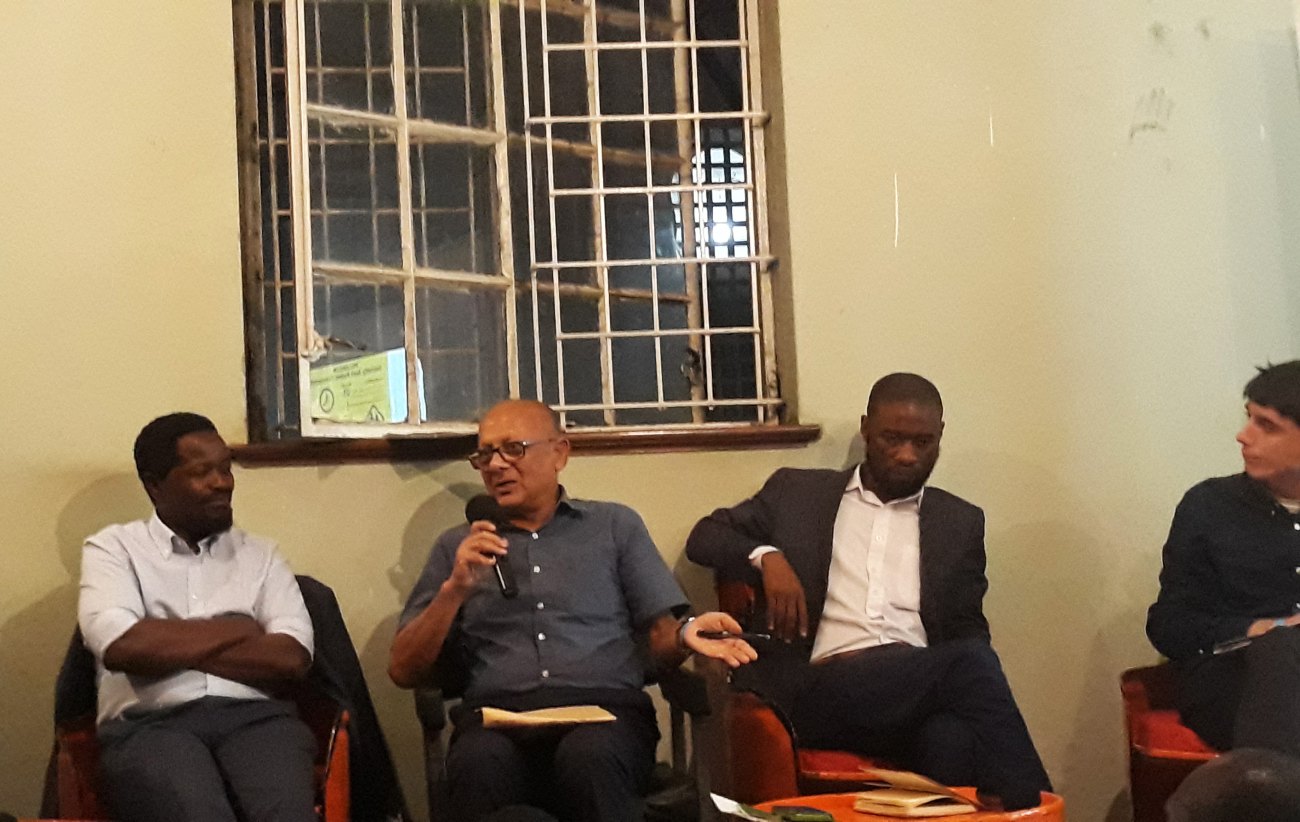
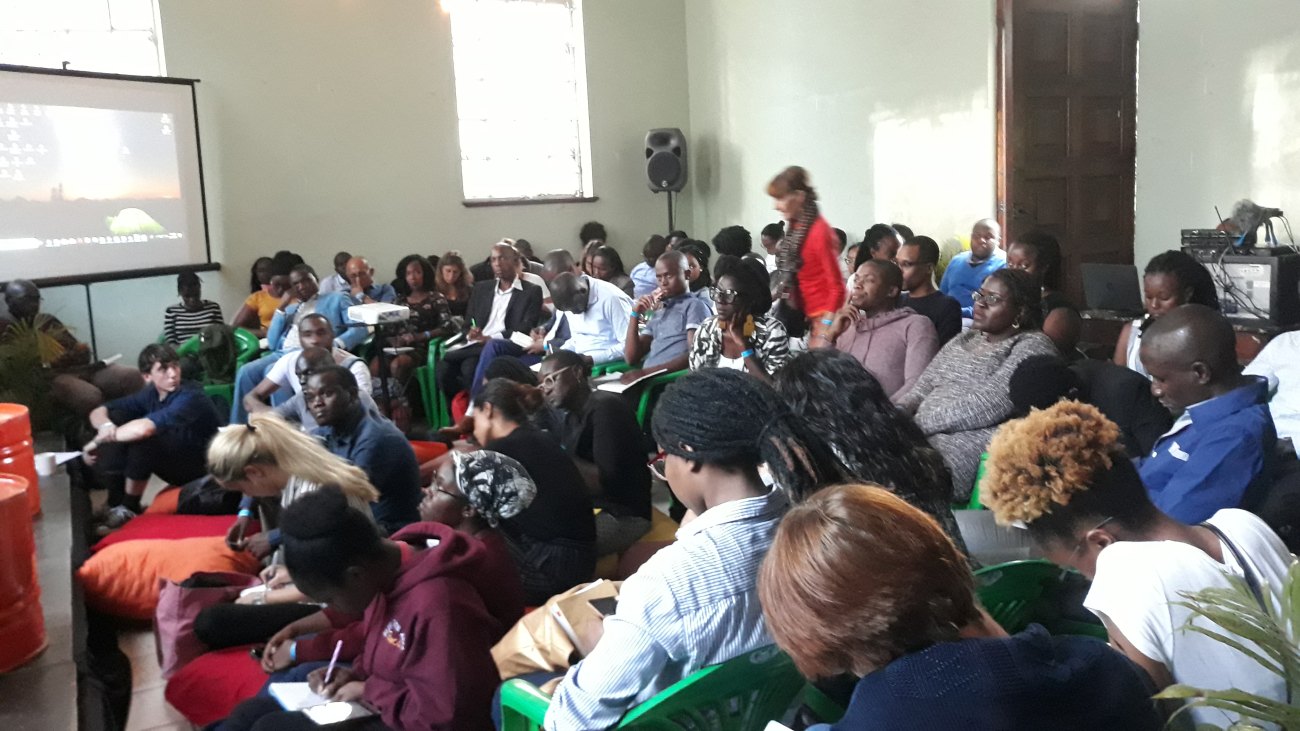
A network of urban planners, architects and students known as Naipolitans in partnership with Book Bunk, a Nairobi based organisation that that restores and creates public libraries and and Platform for Just City, which aims to create an enabling environment where equity, democracy and diversity are part of the running of cities, held an event at Macmillan Memorial Library in Nairobi.
Debashish Bhattacharjee, Leader of Urban Mobility Unit at UN-Habitat shared the Agency’s experiences on inclusive urban mobility, citing examples from the Bus Rapid Transit in Dar es Salaam and the Luthuli Avenue regeneration project.
There were also presentations on an innovative way to assess air quality, the results of a research project on assessing the impact of ride hailing apps on mobility and a lively debate on urban mobility solutions in the city of Nairobi.
The session ended with a citizen-led Nairobi Declaration which is a call to action to rethink the city with people at the centre.
Another event was co-organized by the University of Nairobi and Kounkeuy Design Initiative took place at the University on sustainable planning for social change in informal settlements. The event featured Vera Bukachi, Research Director at Kounkuey Design Initiative as the key note speaker and UN-Habitat also addressed the meeting.
UN-Habitat shared the approach for participatory neighbourhood planning and community empowerment as implemented through the Participatory Slum Upgrading Programme in an exchange with students from several universities.
The discussion with the students focused on identifying the role of practitioners in slum upgrading andthe importance of community ownership of the processes as well as preparing the future professionals to develop solutions for sustainable urban development at scale, addressing the need of the expected 3 billion slum dwellers by 2050.