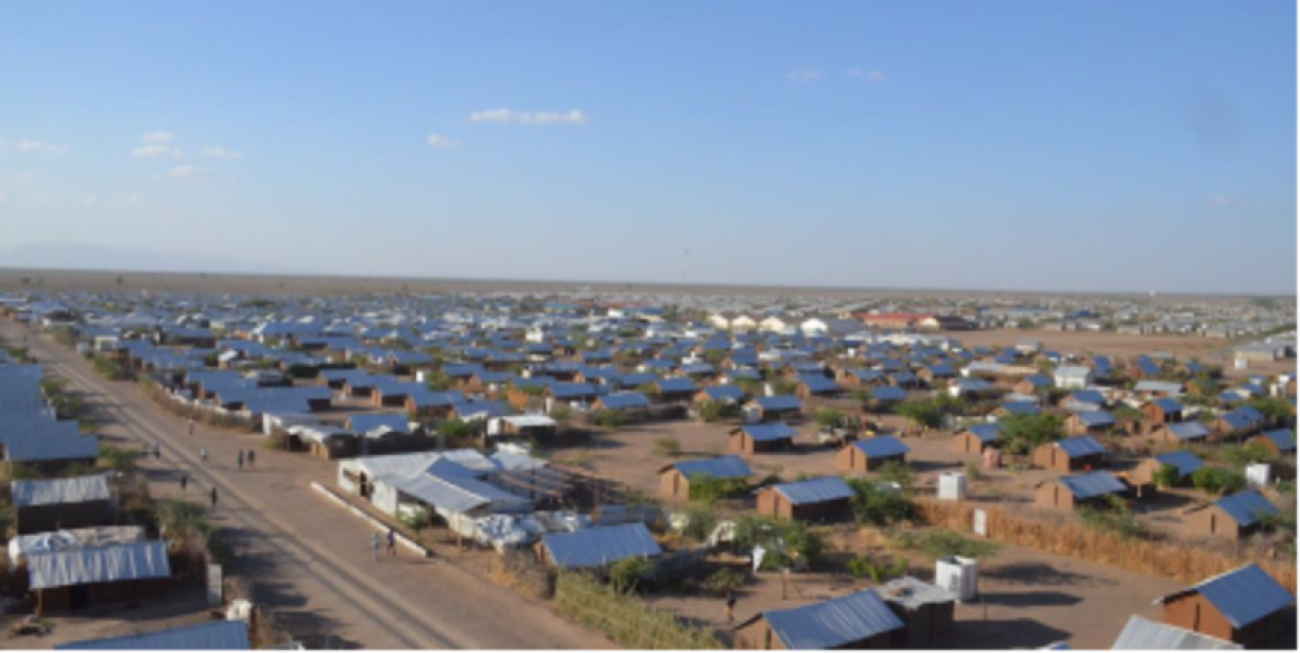
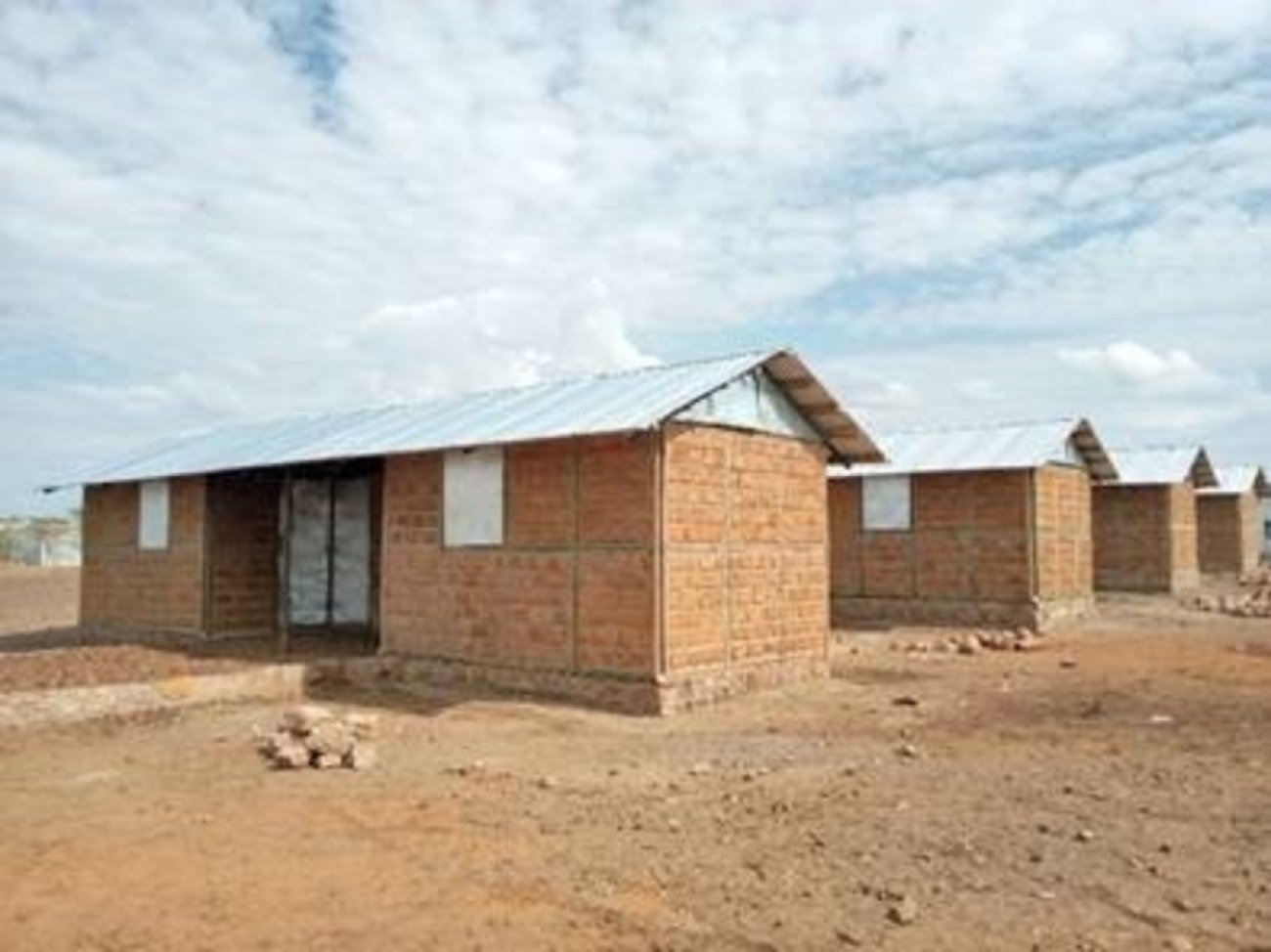
This rise in refugee migration has challenged local development in those affected countries (both the conflict torn and refugee host nations) and stretched the reach for humanitarian-assistance. In Kenya, the increase and long term nature of refugee populations has also increased conflicts between refugees and host communities, creating new potential-conflict zones. In addition, the camps themselves become ‘mini cities’ and challenge notions of urban planning and service provision. Refugee camps are often viewed as transitory constructions and not necessarily worthy of long-term planning, let alone the provision of facilities and basic services, like waste management.
Typically, in towns such as Kakuma and in the associated refugee camps, waste management has operated on an informal basis and at the level of the individual household. In many instances, solid waste is dumped and burnt and a high proportion also gets scattered throughout the local communities and the camps themselves.
With the focus of World Habitat Day on waste management, it’s useful to consider this issue in the context of refugees and how planning for new settlements, can address this challenge in advance. UN-Habitat, alongside the Government of Japan, UNHCR and the Turkana County Government, have been piloting a new approach to waste management in the new purpose-built community of Kalobeyei and ensuring waste management is front and centre of the settlement planning process.
The new settlement of Kalobeyei, in the north west of Kenya, is currently home to around 38,000 people and will be a test case as to how to more effectively and respectfully support refugees in their quest for long term peace and prosperity, as well as how to more effectively integrate new populations with existing local communities. The new development represents a significant shift in approaches to refugees located within host communities. First, forward planning and consideration for long term settlement is being considered through the development of master plans for the area and second, an integrated approach is being adopted, focusing on key topics such as integration with the local community and how economic development can be fostered to how housing and the most basic services such as waste management, can be more effectively addressed. All elements are considered to promote a prosperous, inclusive and sustainable community.
To date, UN-Habitat and its partners have:
1. Brought all key stakeholders together (including the private sector) to discuss solid waste management prioritizing local expertise to ensure sustainable local solutions. The local community, for example, have been engaged alongside waste management experts from Japan including the prestigious global waste management company Lixil.
2. Drawn on the range of UN Habitat’s normative planning tools and methodologies to support an integrated approach to waste management within a broader planning perspective, including the use of the principles for sustainable settlement and neighborhood design. A key feature of utilizing the tools has been to adopt an inclusive, participatory and integrated approach in a long term and incremental development framework.
3. Provided technical advice on the planning and design components of the waste management as well as the expertise from UN-Habitat’s waste management and water and sanitation experts.
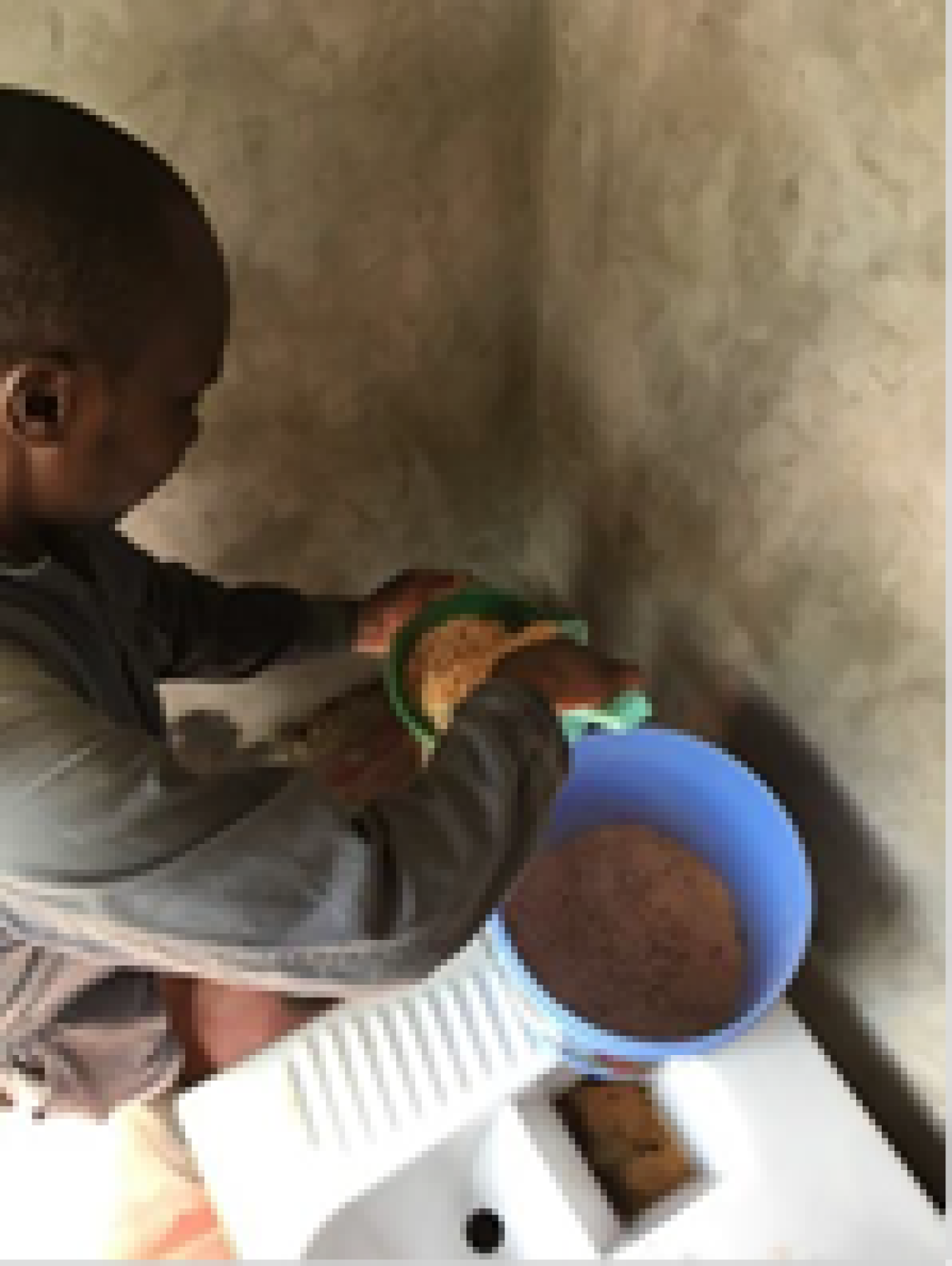
4. Incorporated environmental and ecologically sensitive approaches to waste management with the support of Japanese partner Lixil. This has included a specific green toilet system which recognizes the limited availability of water and includes a bio waste mechanism which reduces the smell and improves hygiene.
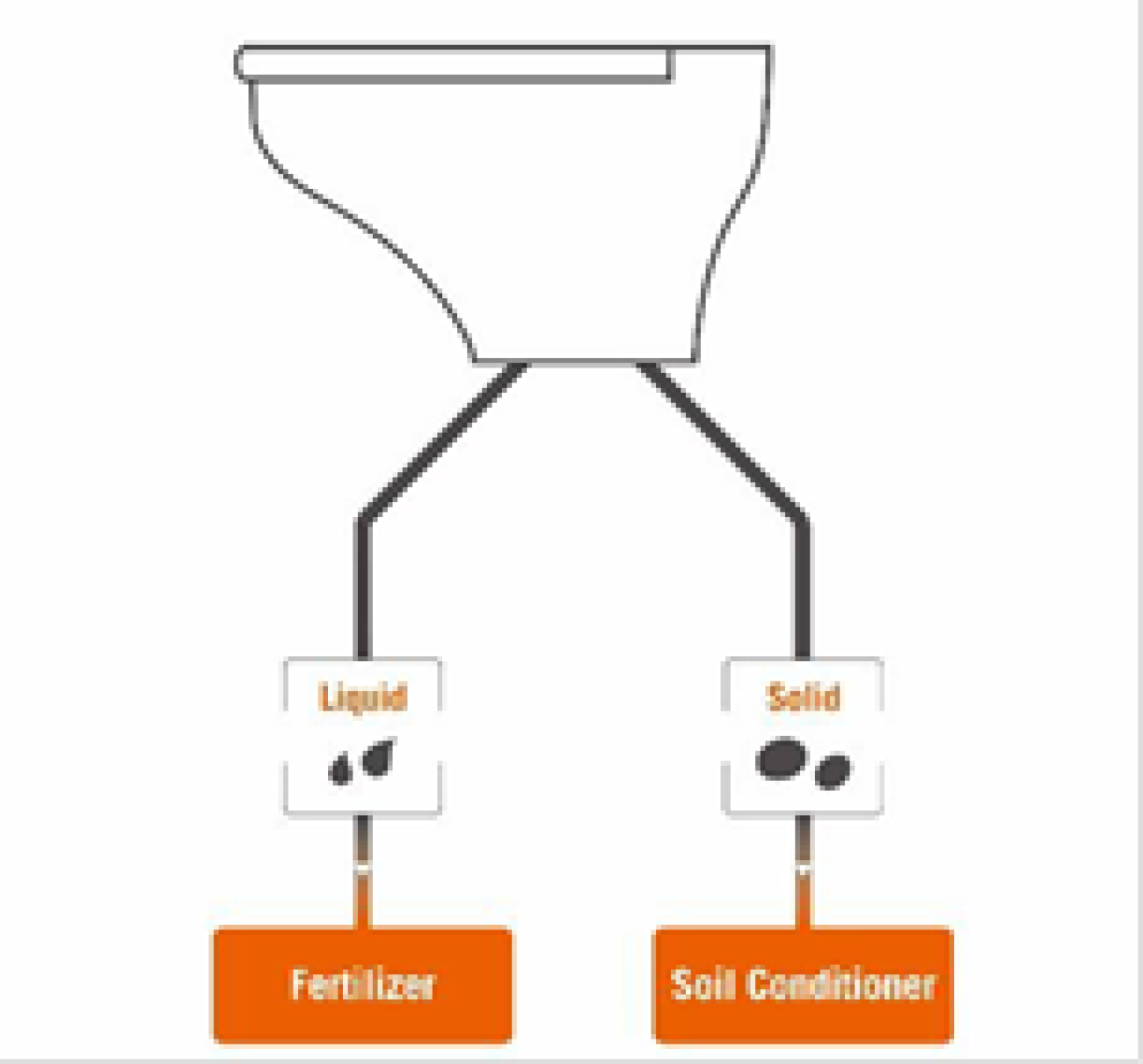
The Green Toilet System, for example, is a recycling-based system to treat waste. The toilet separates solid and liquid waste, enabling maintenance workers to collect the waste from tanks and transport it to a treatment facility. Once turned into fertilizer and soil conditioner, it can be used for farming. The Green Toilet System also requires no water to transport human waste, circumventing the need for a traditional sewage system while protecting groundwater from contamination.