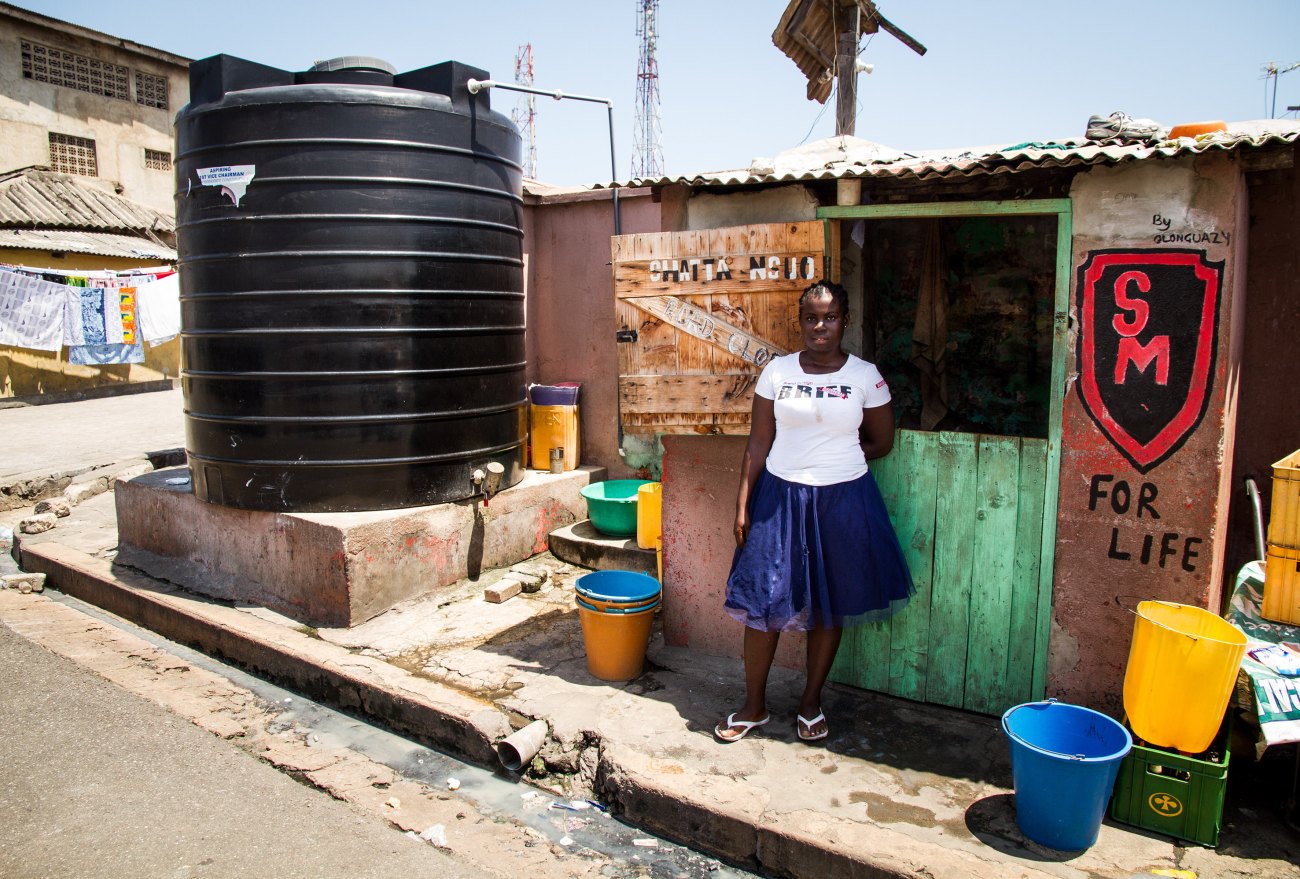
In South Africa where under half of all households have access to basic handwashing facilities and in Kenya, where it is under a quarter of households, governments are increasing access to water for residents living in rural areas and informal settlements by providing water tanks, standpipes, and sanitation services in public spaces.
Many jurisdictions, such as Canada’s province of British Columbia, have suspended evictions. The eviction ban means landlords cannot issue a new notice to end a tenancy for any reason and existing orders will not be enforced.
Spain, France, the United Kingdom and the United States have announced mortgage postponements in an effort to curb potential defaults.
National and local governments are also working with the private sector to tackle housing issues. For example, Singaporean firms with government backing are providing accommodation for Malaysian workers who had been commuting to Singapore daily.
And as they are no tourists in Barcelona, the city has agreed with the Association of Barcelona Tourist Apartments to allocate 200 apartments for emergency housing for vulnerable families, homeless people and those affected by domestic violence.
Some cities are leveraging citizen solidarity. Residents of Los Angeles are making hand-washing stations for homeless people living in a depressed area known as Skid Row which are installed and maintained by a local community centre.
All of these urgent measures and more are desperately needed and demonstrate the way in which housing is inherently connected to our collective public health. These successful interventions also show concrete ways that governments and communities can effectively tackle the pre-existing global housing crisis – a crisis which affected at least 1.8 billion people worldwide, even before the pandemic.
In 2018 the European Federation of National Organisations Working with the Homeless reported that homelessness had skyrocketed across the continent. In the United States, 500,000 people are currently homeless, 40 per cent of whom are unsheltered.
In April last year, the Organization for Economic Cooperation and Development (OECD) warned that rent is currently the biggest expense for households accounting on average for one-third of their income. In the last two decades, housing prices have grown three times faster than incomes.
The current global housing system treats housing as a commodity. In times of crisis, the inefficiencies of the market are clear with the public sector expected to absorb liabilities.
This is not sustainable and many cities are struggling to find shelter for their citizens. COVID-19 has brought into sharp relief the housing paradox – in a time when people are in n desperate need for shelter, apartments and houses sit empty. This market aberration needs correcting.
Governments are at a crossroads. They can treat COVID-19 as an acute emergency and address immediate needs without grappling with hard questions and fundamental questions about the global housing system.
Or they can take legislative and policy decisions to address immediate needs, while also addressing the present housing system’s structural inequalities, putting in place long term ‘rights-based’ solutions to address our collective right to adequate shelter. Housing must be affordable, accessible and adequate.
COVID-19 is unlikely to be the last pandemic or global crisis that we face. What we do now will shape the cities we live in, and how resilient we will be in the future.
First posted here: http://www.ipsnews.net/2020/05/housing-prevention-cure-covid-19/