The Island of Principe, Sao Tome and Principe, 19 October 2021 – A UN-Habitat project in this Gulf of Guinea's tiny island is testimony to how even a small environmentally-conscious construction project can help achieve Sustainable Development Goals and inch toward World Habitat Day theme of accelerating urban action for a carbon-free world.
Three-quarters of the infrastructure that will exist in 2050 has yet to be built. Building materials and construction sector accounts for 11 per cent of annual carbon dioxide emissions. The global volume of natural resources used in construction is increasing yearly. Sand and gravel are paramount among these, and sand mining not only has a direct effect on emissions but also a direct impact on related ecosystems and local economies and livelihoods.
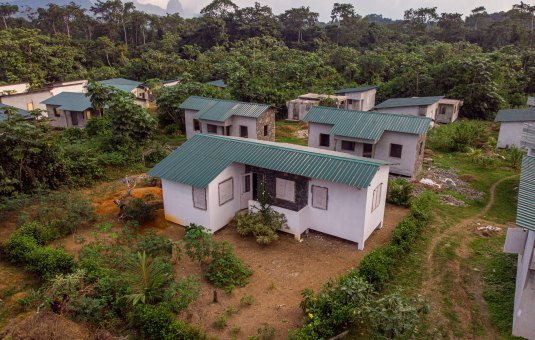
With those facts in mind, UN-Habitat, following its public-private-people participatory partnership model, is spearheading a housing construction project for 133 families, whose old homes are part of an eco-frienly tourism development plan, that entails the construction of a new neighbourhood without using sand.
Designated by UNESCO as an International Biosphere Reserve known for its biodiversity, forests, mountains and rich seashore on which sea turtles nest, the island of Principe, north of the archipelago of Sao Tome and Principe, is thus of particular interest to both environmental conservation and the tourism industry, as highlighted in local policies and plans.
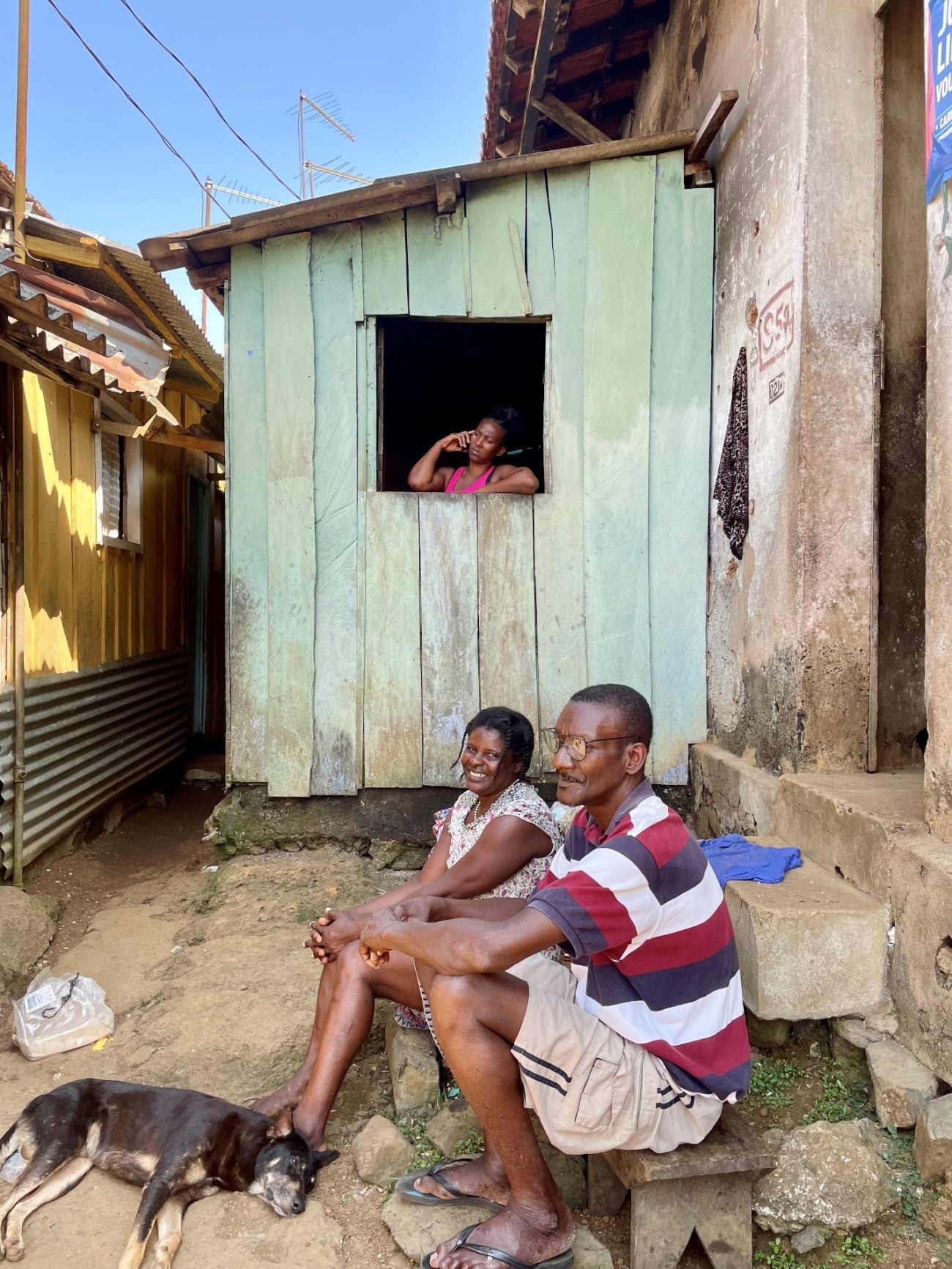
The majority of the 8,400 inhabitants of the Autonomous Region of Principe still dwell in the sanzalas, the dilapidated slave quarters of the old colonial plantation farms –the roças– with little access to basic services, insecure tenure and increasing overcrowding.