Nairobi, Kenya, 21 October 2019 – “Violence in our communities has been normalized, I lost two of my friends to crime, and I knew I had to do something. The One Stop Youth Centre provided an outlet for me to start my activism in the community.” This powerful testimony was made by Ms. Patriciah Mutheu Musyimi, Member of County Assembly, Mlango Kubwa ward. Mlango Kubwa is one of the neighbourhoods in Mathare, one of the largest urban slums in the Africa. The ward is home to over 50,000 residents, many are youth under the age of 24.
Youth account for nearly 70% of the population in many developing countries and make up a large proportion of the people living in the urban areas. As populations grow and become proportionally younger in developing countries, and the world becomes increasingly urban, youth face increasing challenges such as limited access to decent jobs and housing, as well as crime and violence. However, research on effective crime prevention approaches underscores the importance on interventions which build resilience by providing young people with alternative lifestyles to drug and gang involvement, contributing significantly to the positive engagement of young people with their families, schools, workplace and their communities.
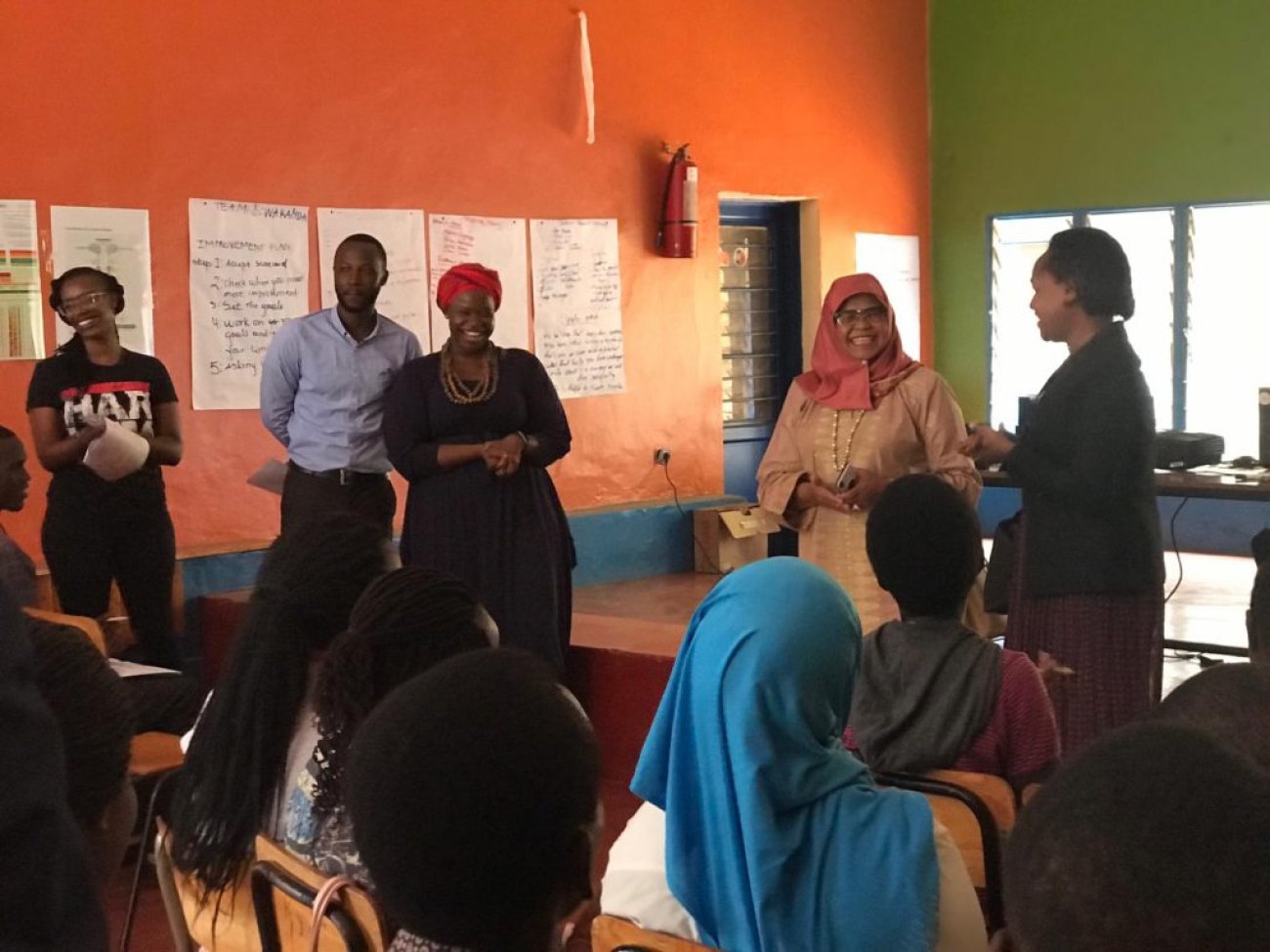
Against this back drop, UN-Habitat in partnership with The United Nations Office on Drugs and Crime (UNODC) and recently hosted a workshop on evidence-based crime prevention and drug-use prevention. The workshop included coordinators of the One Stop Youth Centres in Nairobi and Mandera, representatives from Nairobi county Executive office, and civil society organizations working on crime prevention and youth development across Nairobi.